



Written by Ambre Montespan on Oct 21, 2024 · Updated on Oct 15, 2026

Table of contents:
Are you the proud owner of a handpan? Wondering how to maintain and clean this percussion instrument? Which products and tools should you use? Is it possible to remove rust spots from your Hang? If so, how?
I’ve been playing handpan for over 10 years and have owned several instruments. Like any percussionist, I’ve dealt with the realities of maintenance. With that experience, I can help you take proper care of your handpan.
Handpans need regular cleaning and maintenance. Wipe them down with a cloth and occasionally clean them with alcohol to prevent rust and grime from building up and damaging the metal.
Reading this article will help you master:
- How to clean your handpan
- Regular maintenance of this musical instrument
- How to remove rust that may have formed on it
- How often you should perform these maintenance tasks on your Hang
As a result, you can be sure that your handpan will always remain clean and in perfect condition. It will last for many years, with tones as pure as they were on day one.
Let’s now take a look at the different steps involved in cleaning your handpan.
How to clean your handpan effectively?
Cleaning your handpan helps remove dust and moisture that can build up while you play. Every time you touch the instrument to create melodies, sweat inevitably transfers to the surface—specifically palm sweat, which is over 98% water with a bit of salt. If your hands aren’t clean, dirt can mix in as well. Since water and salt can trigger rust quickly (and grime is never pleasant), the key is to wipe your instrument down after each use.
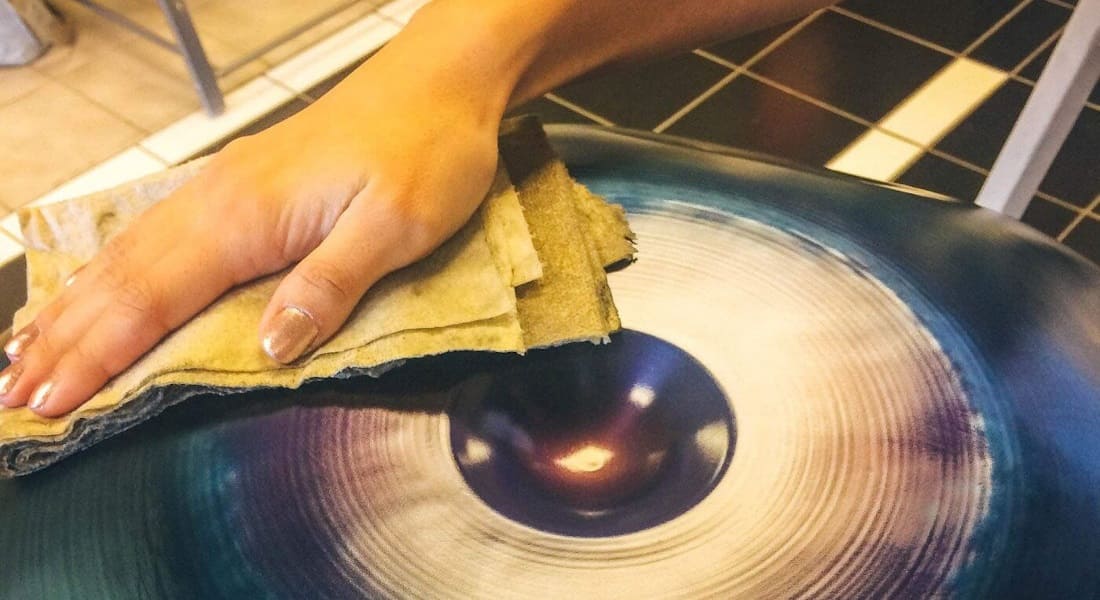
The first step is to wipe your handpan with a soft or microfibre cloth. This accessory is often included with the instrument, but you can easily find one in most shops. Take the time to buff your handpan, paying close attention to the dimples and curves on the surface. Don’t forget the bottom shell, too. This quick care step should be done after every playing session. From time to time, you can also clean the inside of the handpan through the gü hole.
For a deeper clean, use 70% isopropyl alcohol. This will help lift dirt you can’t remove with a dry cloth alone. Add a small amount of alcohol to a soft cloth, then wipe the entire handpan, again focusing on the textured areas. Don’t use the same cloth for everything: keep one for simple, everyday wipe-downs, and use another occasionally with alcohol.
What is the right way to care for your percussion instrument?
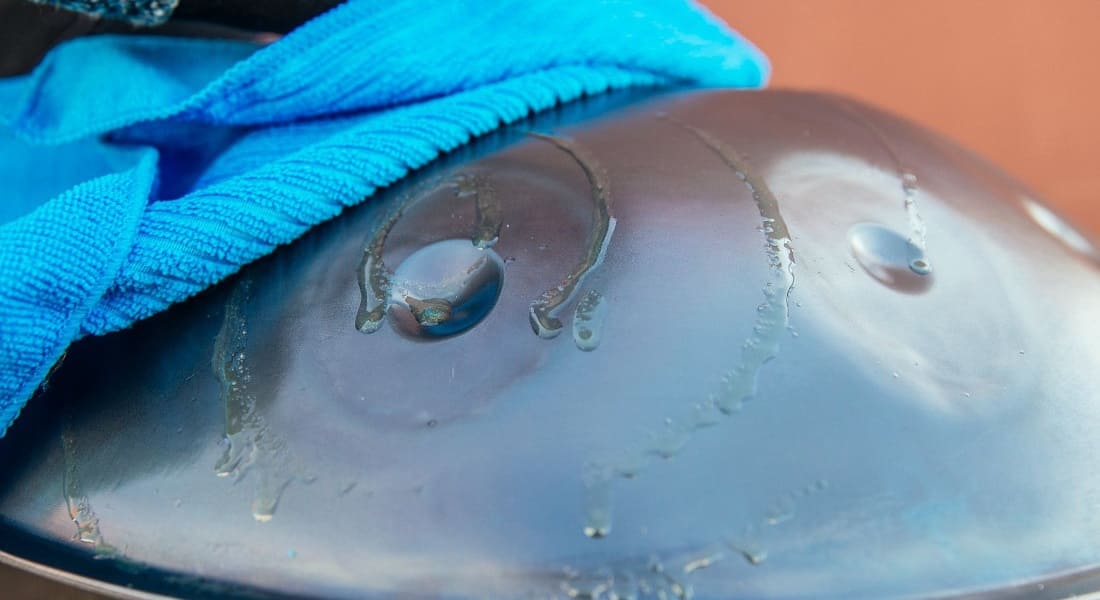
First of all, maintenance should always be carried out on a clean handpan. In other words, clean your instrument first (as explained above) before you move on to protecting it. The goal is to apply a thin protective layer of oil or wax to the metal. There are several oils and specialised waxes designed for this. Wax tends to last longer than oil, but it can also leave a thicker, greasier feel that I personally find unpleasant to the touch. That’s why I prefer oil for my handpans. Once you’ve chosen your product, use a third soft cloth to apply it evenly across the handpan. You don’t need much—too much product can make the instrument slippery in your hands.
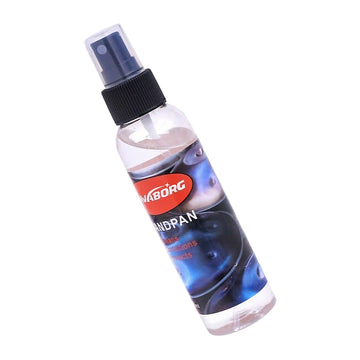
Next, wait for the handpan to absorb the oil. Some players wait a few minutes, while others recommend leaving it for several hours. Personally, I suggest waiting 10 minutes, then using a final soft cloth to remove any excess. Take your time here: if you leave too much oil on the surface, the instrument can slip while you play, which could be disastrous if it falls.
How can I remove rust stains from my Hang drum?
To remove rust stains from your handpan, follow all of these steps. However, be aware that your instrument may not fully return to its original appearance. If the rust has been left too long, it can become deeply embedded in the metal.
- First, clean the instrument with alcohol as described earlier in this article. This may remove light rust marks.
- Take a standard kitchen sponge, dampen it, and gently rub the rusted area with the abrasive side (usually the green side). Make small circles without pressing too hard. Be gentle.
- If the rust remains, move on to a metal polishing cloth. This cloth is infused with a slightly abrasive oil that scrubs, polishes and waxes the metal. The next step up is very fine steel wool with oil to remove the corrosion.
- If rust still remains at this point, it’s likely set too deep in the instrument. You can repeat the steps above several times to improve it, but unfortunately, your handpan may keep these marks for life.
- Once the rust has been removed, clean the handpan again with alcohol, then protect it with a protective oil or wax, as explained above.
- Make a note of the exact location where the rust appeared; this area will need extra attention and more regular care from now on.
How often should you take care of your musical instrument?
Simple cleaning with a soft cloth should be done after each use, no matter what kind of handpan you have. However, cleaning with alcohol and applying a protective coating will depend on the material your handpan is made of. If your instrument is made of nitrided steel, it’s best to do this every two weeks to help prevent rust. For stainless steel instruments, once a month is recommended.
Of course, this really depends on how often you play, how you store your handpan, and where you live. In humid climates, your handpan will need more frequent care than in dry ones. As a general rule, keep an eye on the condition of the metal shell so you can tell when extra maintenance or cleaning is needed. After a while, just by touching the metal, you’ll sense when it’s due for another wipe-down or treatment. Certain times of the year also demand extra attention. For example, in summer, when it’s generally hotter, hands sweat more, which inevitably means more frequent cleaning.
How can you best preserve your Hang?
To keep your Hang in good condition for many years, follow these tips:
- In general, treat your handpan with respect. It’s not a drum, and it should be played gently—especially if you’re using drumsticks. Otherwise, you may need to have your handpan retuned. The example in the video below is especially something to avoid:
- Never leave your instrument in direct sunlight, as heat can cause the metal to expand and warp. Extreme cold should also be avoided.
- Whenever possible, always wash your hands before playing.
- Remove any rings, bracelets and other jewellery that could come into contact with the handpan during a playing session.
- Perform regular maintenance by checking the appearance of the instrument and applying a protective oil from time to time.
- Be mindful of humidity. Never leave a damp instrument in its case, and never place a handpan in a damp case.
- For long-term storage, let your handpan breathe in open air, or leave the case slightly ajar to prevent condensation that can lead to rust. Pro tip: place desiccant or moisture-absorbing bags inside the case for added protection.
- If the patina on the instrument changes colour, this is normal for stainless steel instruments. However, it’s corrosion on nitrided steel handpans. Treat it as described above.
- Take extra care if you’re travelling to a humid or marine environment, since salt and water are the two main enemies of a healthy handpan.
Protect your handpan to maintain and preserve its beautiful sound
Since handpans are made of metal, it might be tempting to think they’re sturdy instruments that require very little upkeep. In reality, they’re quite sensitive due to the thinness of their metal shells and their tendency to rust. That said, with the information and step-by-step tips in this article, you can easily take care of your handpan so it keeps playing sweet melodies for a long time.
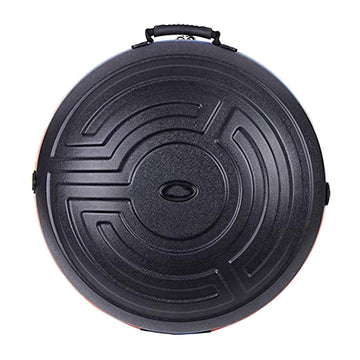
To protect your instrument as much as possible, store it in a case that’s as sturdy and waterproof as you can. That’s why I recommend this deluxe case sold by Instruments du Monde: it’s fully rigid and built to a high standard. By placing your handpan inside, you’re giving it the best possible chance at a very long life.
Protect your handpan and treat yourself to this case by clicking on the image below:
Cleaning your instrument is an important step in learning how to play it. But to round out your knowledge, do you know how the handpan works? Read my article, and you’ll learn the basic principles that allow this instrument to produce sound.


