



Written by Ambre Montespan on Feb 26, 2024 · Updated on Oct 15, 2026

Table of contents:
Are you thinking about replacing the rope(s) on your djembe? Are you shopping for a new instrument and wondering which rope best fits your music and playing style? Which rope should you choose for your djembe?
Having already helped more than 20 people select the best ropes for their djembes, I can help you identify the ideal rope for your own African percussion instrument.
Although there are several types of djembe ropes, both natural and synthetic, it’s generally best to choose a nylon rope around 30 m (100 ft) long and about 6 mm (1/4 in) in diameter.
As you read this article, you will find the different options available to you in terms of djembe ropes. In particular, you will discover:
- The different types of djembe ropes
- Criteria for selecting the right rope for your drum
- The length and diameter of rope required for this African instrument
- The advantages of customising your rope
After reading this article, you’ll know exactly how to choose the best ropes for your djembe, ensuring the ideal balance of sound and durability.
Let’s discover together the ropes that will make your instrument sing like never before!
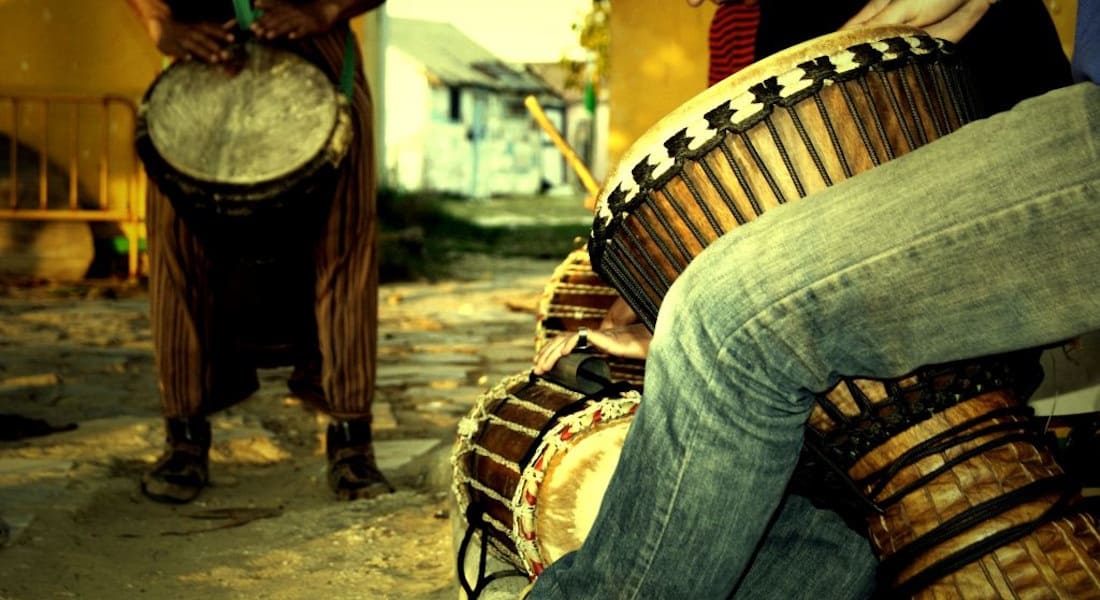
How do you choose between the different types of djembe ropes?
Choosing the right rope for your djembe is a crucial step in customising your instrument and finding the ideal sound. There are several types of rope available on the market, each with its own unique characteristics and advantages. Understanding these options will allow you to make an informed decision to achieve the sound you’re after. Nylon rope is among the most common. It’s prized for durability, moisture resistance, and tuning stability. Percussionists love the crisp, defined sound it helps produce, which makes it ideal for group settings where projection matters. It’s the option I most often recommend to musicians who ask me about this.
Traditionally, African djembes were roped with twisted cowhide strips; natural gut rope, typically made from sheep, is rarer on them. It produces a warm, authentic sound but requires regular maintenance because it’s very sensitive to humidity. Traditional percussionists often prefer it for its authenticity and connection to the cultural roots of the djembe. However, it’s extremely rare on the market, and you’ll usually need to travel to Africa to have a chance of finding it.
Synthetic ropes such as pre-stretched polyester and Dyneema® offer a middle ground between the authenticity of gut and the durability of nylon. They’re known for mimicking some of gut’s feel while offering better resistance to humidity. This is a popular option for players looking for a balance between authenticity and practicality. However, the price is much higher than standard nylon rope. For the same diameter, Dyneema® costs 3 to 4 times more than nylon.
Natural hemp rope for djembe is appreciated for its authenticity and respect for tradition. Made from hemp fibres, it offers a warm, organic sound that can enrich the djembe’s resonance. However, compared to nylon, hemp has some downsides. It’s less resistant to weather and humidity, which can lead to faster deterioration and more frequent replacement. In addition, hemp tends to stretch more than nylon, which can cause a loss of tension and require more regular adjustments to maintain the djembe’s tuning. These characteristics make hemp rope less practical for heavy use or in very humid environments, where durability and tuning stability are essential.
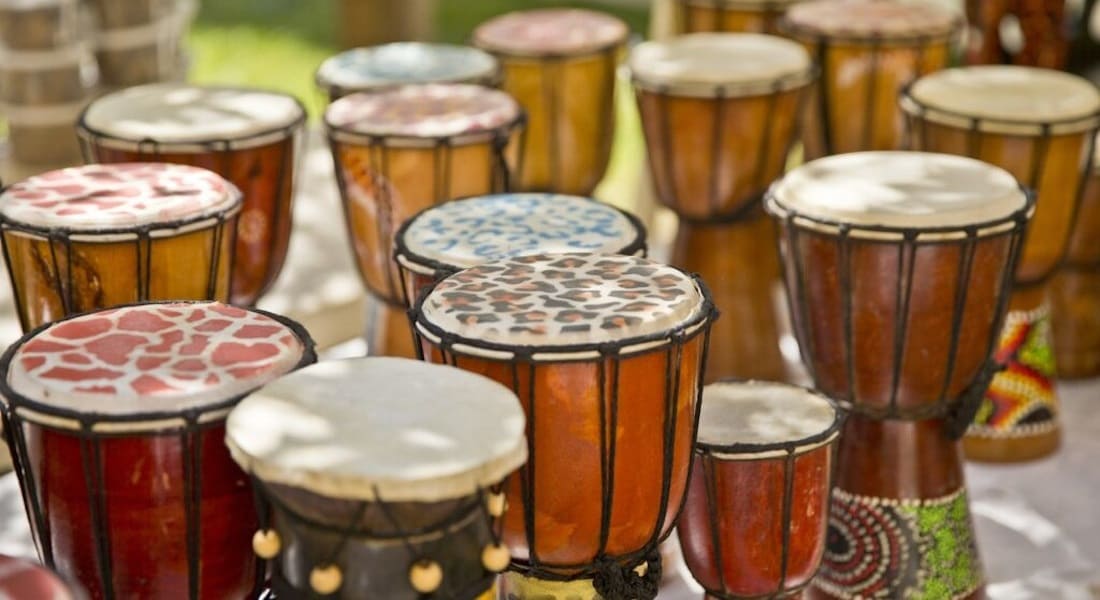
What are the criteria for selecting ropes for your percussion instrument?
Choosing the right rope for your djembe is a crucial decision, as it has a significant impact on the sound and feel of your instrument. There are several criteria to consider when selecting the ideal rope for your djembe. The first criterion is the type of sound you want to achieve. If you prefer a clear, sharp sound, nylon is an excellent choice. For a warmer, more authentic sound, natural gut may be preferable. Each type of rope brings a different character, so it’s important to choose what matches your musical style.
Some ropes require more maintenance than others. Natural gut, though it produces an authentic sound, must be cared for regularly to prevent deterioration due to humidity. Nylon and polyester are easier to maintain. Finally, experimentation is an essential part of choosing rope. It can be beneficial to test different materials to find what best suits your djembe and your playing style, and that process will help you hear the subtle differences each rope can bring.
Your choice will depend on your personal preferences, the style of music you play, and the conditions you play in. Each option has its own voice, so a little experimentation can be the key to finding what fits you best as a percussionist. That said, nylon remains the smartest option if you want long-lasting tuning stability at a competitive price, without spending time on maintenance.
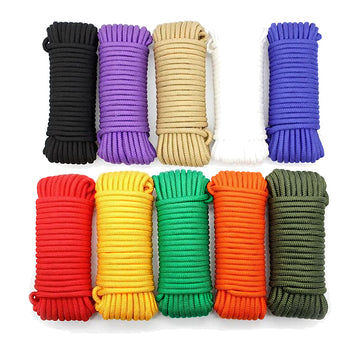
How long and how thick should the ropes be for a djembe?
First of all, the size of the djembe is a key factor. Larger djembes inevitably require a longer rope because it will make several passes back and forth between the metal tension rings located at the top and middle of the instrument. Conversely, smaller djembes require a shorter rope for the same reason. Finally, the number of eyelets on the drum determines how many times the rope runs back and forth. Some models have around ten, while others can have as many as 50, so the rope length must match the specific size of your instrument.
It’s also a good idea to leave a bit of slack once the djembe is tuned so you can tie tension knots for future adjustments to the tuning. Therefore, the standard rope length for an average djembe is around 30 m (100 ft). That’s enough to rope up most drums, and you can always shorten it if your instrument is smaller than average.
In terms of diameter, you’ll find rope ranging from about 4–8 mm (5/32–5/16 in). After many tests, I find 4 mm (5/32 in) rope too thin: it’s much more likely to snap, so I don’t recommend it. On the other hand, 7–8 mm (9/32–5/16 in) rope is oversized for this type of instrument, and there’s no need to pay extra for it. I therefore recommend choosing 5–6 mm (3/16–1/4 in) rope, ideally 6 mm (1/4 in), to make sure it’s truly durable. This greatly limits the risk of breakage, and your djembe will stay properly roped up for years.
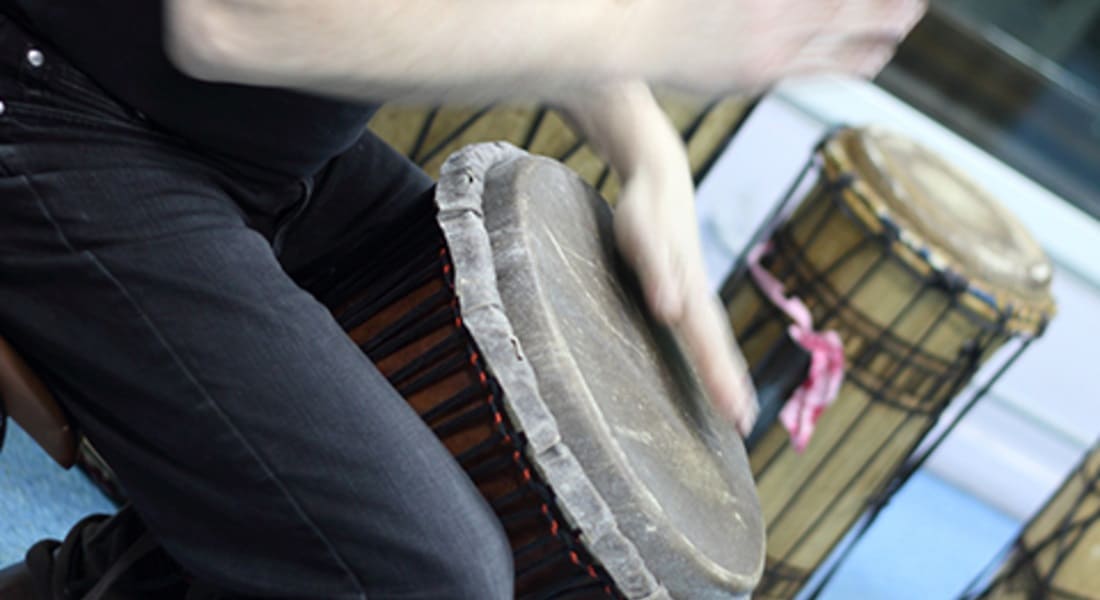
Why customise the ropes of your African drum?
Customising your rope gives you the chance to add an artistic touch. You can incorporate patterns or colours to create a one-of-a-kind, great-looking djembe. This can be especially interesting if you perform in public, because it adds a visual dimension to your show.
In addition, creating a djembe that reflects your personality and that you love visually will encourage you to practise more often, which is important when learning any musical instrument. I invite you to also read this article on decorating the djembe shell, which is directly related to choosing the ropes for your African drum.
Tune your djembe perfectly with the ropes you have selected
Choosing the right rope for your djembe is not something to take lightly. If you choose the wrong material, the instrument won’t sound its best. But with everything you’ve just learned in this article, you now know how to choose the rope that best suits your needs. As a result, you’ll get beautiful tones from your djembe.
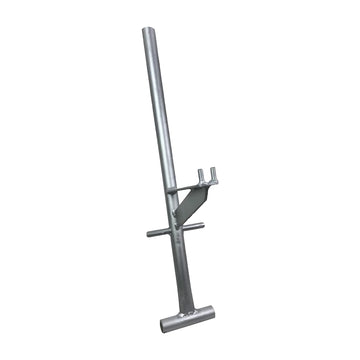
However, once you’ve chosen your rope, it’s not easy to tighten it properly using whatever you have on hand. You’ll need a dedicated tool to reach the ideal tension. That’s why I recommend using the tool sold by Instruments du Monde. It’s a professional-quality tool designed specifically for tuning djembes. With a device like this, you can be confident you’ll reach the right tension with ease.
Get this tool now by clicking on the image below:
Want to learn more about the djembe? Then read our article on the history and origins of this traditional African drum. You’ll learn plenty about where it comes from and how it’s used by different communities across Africa.
