



Written by Ambre Montespan - Updated on Sep 25, 2026

Table of contents:
Do you own a beautiful djembe? Want to keep your percussion instrument for many years? Want your African drum to hold onto its rich, resonant tone? Wondering how to take proper care of it? What are the best tips for caring for this African instrument—both the wooden shell and the drumhead?
I first discovered the djembe over 20 years ago, and I can tell you this: proper djembe maintenance really matters. Your drum’s lifespan and sound quality depend on it. Drawing on years of hands-on experience and thorough research, I’m excited to share, in this article, my best tips to protect and preserve your djembe in top condition.
The djembe is a drum that must be protected from moisture to prevent damage. It’s also important to condition the wood and check rope tension from time to time.
In this article, you’ll find a practical guide to caring for your djembe and its skin, covering the following topics:
- Why maintaining your djembe matters
- Tips for caring for the drumhead, solid wood, and ropes of your drum
- Precautions to take to ensure the longevity of this musical instrument
With everything you’ll learn here, you’ll be able to maintain your djembe for years to come, so you can enjoy it for as long as possible.
Let’s get started! Let’s go over the best tips for caring for your djembe together.
Why is it so important to maintain your djembe and its skin?
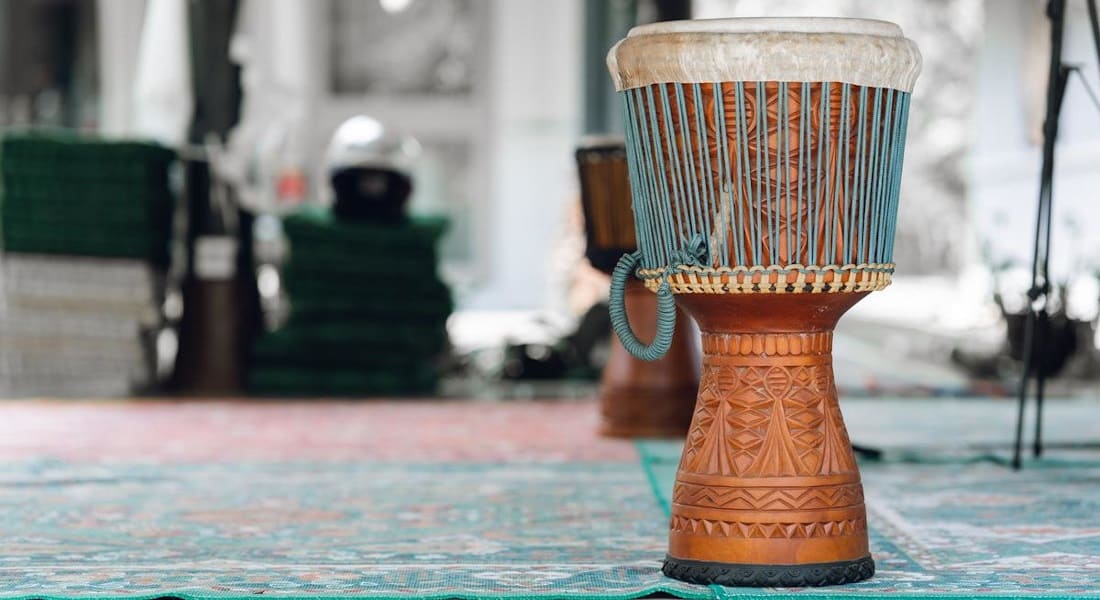
Before exploring these preservation tips, let’s remember why regular care matters. Regular maintenance of your djembe and its skin is crucial to maintaining its sound quality, durability, and acoustics. First of all, the drumhead is the most sensitive part of the instrument, and its condition directly affects sound quality. By keeping it clean and free of dust and excess moisture, you help ensure a clear, vibrant tone.
Second, keeping the skin well maintained contributes to its longevity. A well-maintained head will better withstand wear from repeated strikes. Avoiding prolonged exposure to sunlight or excessive moisture, as well as the use of unsuitable oils or greases, helps preserve the head’s strength and elasticity. The wood of the djembe also deserves special attention. Nourishing the wood with an appropriate mixture of linseed oil and turpentine can help keep it in good condition, preventing drying and cracking, which can make this African drum difficult—or even impossible—to play.
Finally, regular maintenance of your djembe is also a sign of respect for an instrument with a rich history and deep cultural meaning. By taking care of your djembe, you help honor its tradition and its connection to African rituals and ceremonies while enjoying playing the djembe.
How can you protect the skin of your musical instrument?
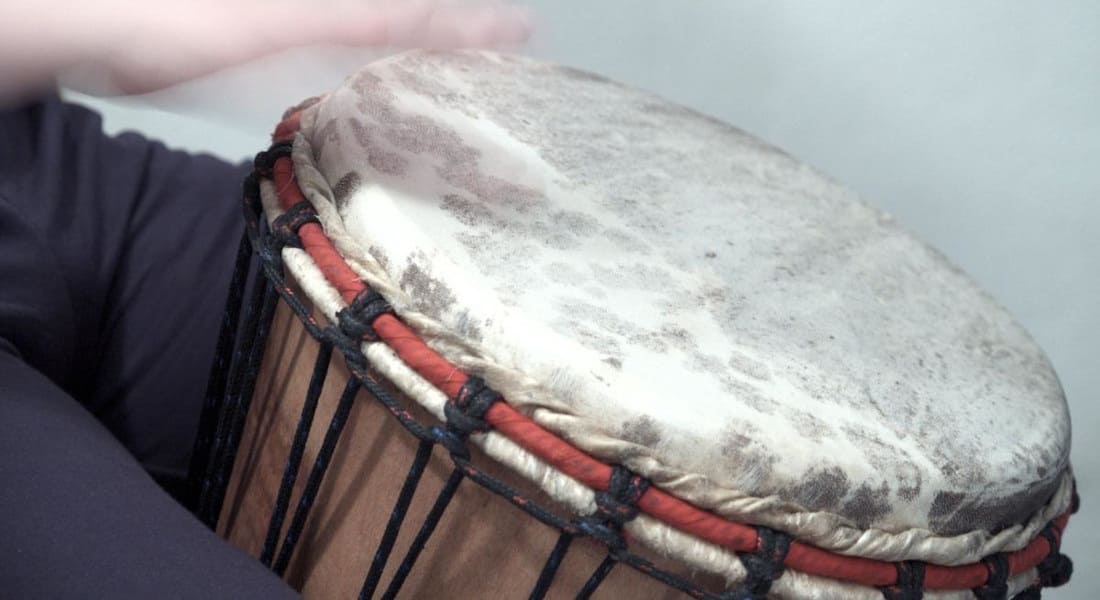
Maintaining the drumhead of a djembe is an essential step in preserving the sound quality of this African percussion instrument. First, you’ll want to clean it regularly. After each use, get into the habit of cleaning the skin of your djembe with a soft, dry cloth. This removes sweat, dirt, and natural skin oils that can build up over time and dull the sound. Next, keep in mind that a djembe head is constantly exposed to changes in temperature and humidity. That said, it doesn’t need special treatments. If you apply oil, grease, or any other product, you risk making it too elastic, which can be disastrous. In other words, the best way to preserve your djembe head is simple, regular cleaning.
In addition, be sure to protect the skin of your djembe from extreme conditions. Avoid exposing it to excessive heat or intense cold, as this can cause damage. Also keep it out of direct sunlight, since long exposure to UV-heavy light can weaken the head. From time to time, you can also consider a deeper cleaning. To do this, remove the ropes and hoops. Wipe the head with a damp cloth, then use a mild, water-based soap cleaner. A soft brush can help lift built-up dirt and oils. Rinse thoroughly with a hose, then let it air-dry completely.
It is also important to maintain moderate tension on the skin of your djembe. Avoid over-tightening it, as this can cause cracks or even tears. Proper tension is essential for great sound and long-term protection. By following these simple maintenance steps and giving your djembe’s head the care it deserves, you’ll preserve its tone and extend the life of your instrument—so it performs its best every time you play.
Preserve the quality of your African drum by avoiding moisture
Protecting your djembe from humidity is essential for maintaining good acoustics and the durability of this percussion instrument. Humidity can negatively affect several components of the djembe, including the ropes and drumhead, which can alter sound quality and shorten the instrument’s lifespan. When the head is exposed to high humidity, it tends to loosen, which directly affects the tension needed to produce a strong tone. A head that’s too loose produces a dull, unclear sound—far from the rich, dynamic acoustics you expect from a well-maintained djembe. Humidity can also affect the ropes: they may slacken or wear faster, making it difficult—or even impossible—to tune the djembe properly. Poor rope tension also leads to weaker sound.
The best practice is to keep your djembe dry with a quality protective cover. This cover forms an effective barrier against moisture, whether during extended storage or while traveling. For extra protection, you can also place an absorbent cloth inside the cover to capture any residual humidity.
To protect your djembe from moisture, keep it in a dry environment and use a high-quality protective cover. When you’re not playing, store your djembe in a dry spot away from direct sunlight and extreme changes in temperature and humidity. Following these simple steps will help preserve the sound of your djembe and extend its life, so you can enjoy its rich African tone for years.
How to transport a djembe without a bag or cover?
To transport a djembe without a bag, wrap it in a blanket or large cloth to protect it from scratches and minor impacts. Secure the wrap with ropes or straps. Carry the djembe by its base to avoid stretching or damaging the head. If your djembe has tension ropes, you can use them to help grip the drum, but be careful not to pull too hard. For longer distances, consider using a small cart and securing the djembe with straps for easier transport. Keep your drum away from water and extreme temperatures to prevent damage. If possible, you can even improvise carrying straps with sturdy ropes or belts so you can wear it like a backpack. It takes a bit of creativity, but it helps keep your instrument safe while you move.
Should you treat the wooden shell of your djembe for maximum durability?
Maintaining the wooden shell of your djembe is essential to ensure its durability and sound quality. A few simple steps can make all the difference. I generally recommend using products such as antique balm, linseed oil, or shea butter (melted or not) to nourish the solid wood. However, it is crucial not to overdo shell maintenance. As a general rule, it’s best to do this only once a year, or even once every two years. Too much product can saturate the wood with oil or grease, which may reduce your djembe’s sound quality.
Ideally, perform this maintenance when you change the skin; this ensures no traces of oil or grease stain the new head. This precaution matters, since any residue can affect resonance and even alter the drum’s appearance. Remember, the primary goal here is to protect the shell from environmental conditions that can cause long-term damage. By following these recommendations, you’ll help your djembe look great and sound its best for many years of playing.
These recommendations apply no matter what wood species your djembe is made from. So whether it’s crafted from mahogany, iroko, or doussie, you can confidently use the products mentioned above.
Maintain string tension to preserve the sound quality of your percussion instrument
An often-overlooked aspect of djembe maintenance is rope tension. However, this is a key factor in the sound quality of the instrument. Incorrect tension can lead to problems such as insufficient resonance, sound distortion, and even damage to the head. It is essential to check the tension of your djembe’s ropes regularly, ensuring that they are neither too loose nor too tight. The right tension depends on the type of head, its age, and environmental conditions. If you’re not sure what’s correct, consult a music professional or a djembe maker for guidance.
Why clean the decorations and finish of your djembe?
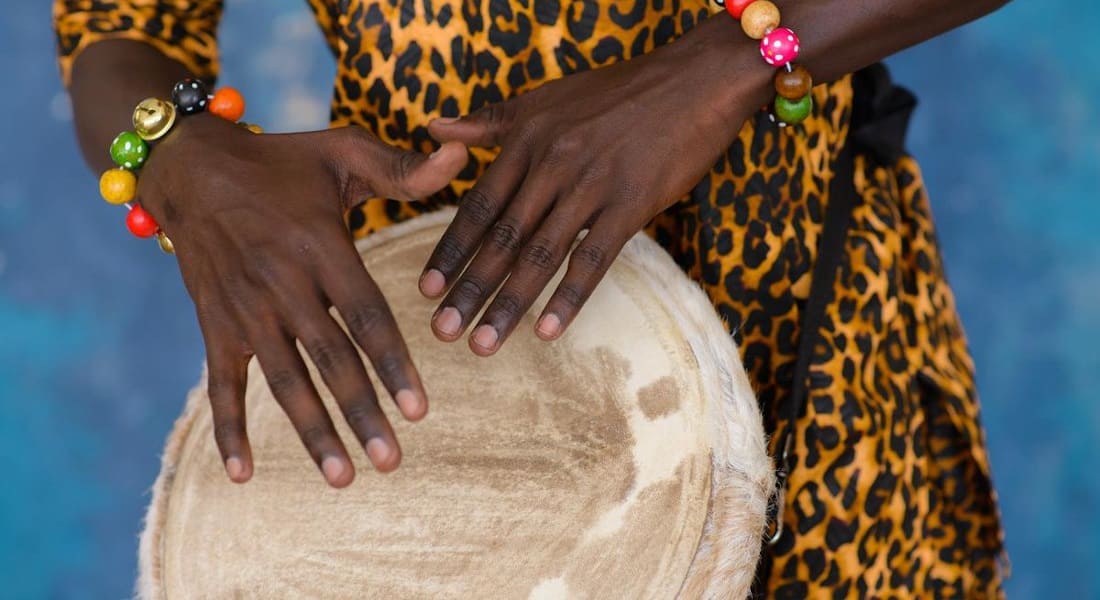
If your djembe features special decorations or finishes, regular maintenance will keep them looking their best. Clean decorative elements routinely, and avoid harsh chemicals that could damage them. If your djembe includes metal parts such as nails or rings, inspect them regularly for corrosion, rust, or loosening. Proper care keeps your djembe visually appealing, helps preserve its long-term value, and ensures it stays clean and in good condition.
A few other precautions to take when caring for your djembe
If you decide to purchase a djembe today, it is important to follow a few rules that will help you keep your instrument in good condition. These rules will benefit your djembe and ensure a long life for your drum if you follow them to the letter.
- Use a protective cap or cover : when you’re not playing your djembe, always cover the head with the protective cap provided at purchase. The head is the most fragile and delicate part of your djembe, and it needs to be protected.
- Protect your djembe from overheating , such as prolonged exposure to the sun or storage in a vehicle during hot weather, since this can cause the head to loosen significantly once temperatures shift.
- Tap the iron rings if the head loosens : when you notice the head starting to loosen, get into the habit of tapping the metal rings with a mallet before re-braiding the ropes. This helps maintain proper tension.
- Nourish the wood when changing the skin : every time you change the head, take the opportunity to condition the wood of your djembe. We recommend a mixture of linseed oil and turpentine as one of the best solutions for treating wood.
- Change the strings regularly : plan to replace the rope after the third or fourth reheading to maintain your djembe’s sound quality.
- Check the diameter of the hoop before mounting : make sure the hoop and the wood are making proper contact before mounting. The shell can shrink slightly over time.
- Protect the base of your djembe : if you play on hard surfaces, protect the foot of your djembe with something like a carpet pad or a thick mat to avoid damaging your drum or the surface underneath. I’ve seen several shells crack when played without protection.
- Protect fragile surfaces : similarly, if you play on delicate surfaces, take steps to protect both the base of your djembe and the surface underneath to prevent damage.
If you follow these care tips properly, you can preserve the quality of your djembe and extend its life, while fully enjoying its unique sound. 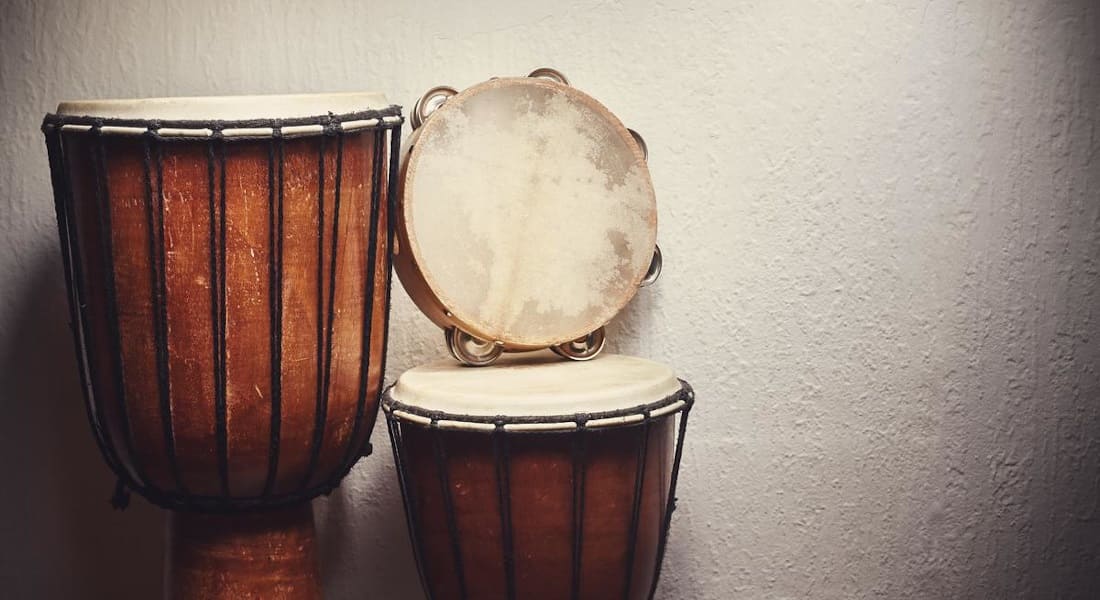
Protect your instrument in the best possible way
Though not overly demanding, your djembe still requires regular care to stay in top form. Without it, the instrument will inevitably degrade, and at the very least, the sound will suffer. Thanks to this guide, you now have the key habits to keep your djembe in prime playing condition—so you can enjoy your drum for many years.
That said, the most effective solution is to get a reliable protective cover sooner rather than later. It’s your best defense against wear and damage, and it should be thick enough to truly protect the drum. That’s why we recommend the cover offered by the Instruments du Monde store. Its unique, professional-quality padding is designed to keep your djembe safe and sounding great.
Discover this cover by browsing our collection of djembe accessories.
Want to learn more about one of the greatest djembe players of all time? Read our article dedicated to Mamady Keïta, the star of this percussion instrument who captivated crowds with his fiery rhythms.
