



Written by Ambre Montespan on Dec 25, 2023 · Updated on Oct 15, 2026

Table of contents:
Thinking about pairing a djembe with other instruments? Wondering if you can create true harmony between this African drum and sounds from around the world? Which instruments can accompany the djembe?
I discovered the djembe almost 20 years ago, and I’ve had the chance to attend several concerts and shows where this drum was played alongside other instruments. So I can walk you through the instruments that truly complement the djembe’s sound.
The djembe is a highly versatile African percussion instrument. It can be paired with many instruments—strings, other percussion, and brass.
In this article, you’ll discover which other instruments you can play with a djembe. In particular, you’ll learn about:
- The versatility of the djembe
- Percussion instruments that can accompany the djembe
- The harmony between guitars, brass instruments, and the djembe
- Incorporating the djembe into an orchestra
- The combination of the djembe with modern or electronic music
This will give you a clear picture of which instruments work best alongside your djembe playing. You can also use these ideas to help friends and family who don’t know how to pair a djembe with another instrument.
All right—let’s explore which other instruments you can play with a djembe.
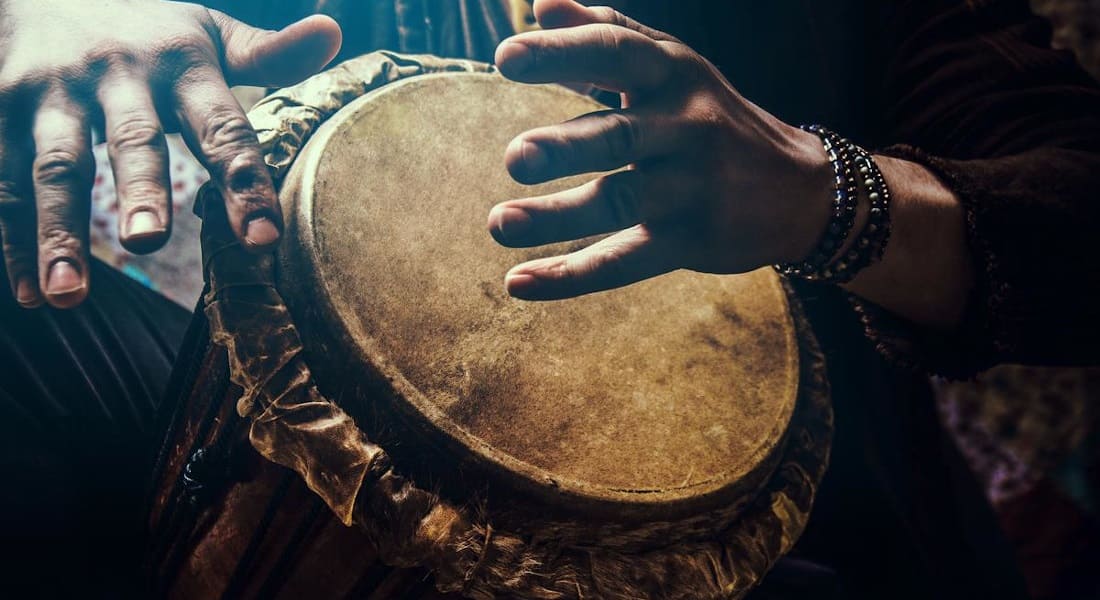
The versatility of this African drum: an instrument for all occasions
Before exploring the many instruments that pair beautifully with the djembe, it’s worth recognizing that this magnificent African drum is incredibly versatile. The djembe is a percussion instrument of African origin known for its exceptional adaptability. Whether in a traditional setting or in more contemporary genres, the djembe fits just about anywhere. Its ability to produce a wide range of sounds, from deep bass to sharp, cutting highs, makes it a go-to instrument for many musical situations.
In traditional African percussion circles, the djembe is often the rhythmic pillar that guides dancers and musicians. It’s used in ceremonies, rituals, and celebrations to create mesmerizing rhythms. Its powerful tone and driving pulse bring a tangible energy that helps keep the whole group locked in.
The djembe’s versatility extends beyond traditional music. In more modern contexts, it blends beautifully with a wide range of instruments. Guitarists, for example, often find that the djembe adds a unique rhythmic dimension to their music, and combining the two can lead to irresistible grooves and melodies. The djembe is also loved by singers and vocal groups because it can support the voice naturally, adding percussive movement that enriches vocal performances.
The djembe’s versatility even shines in more eclectic settings. In modern music, it’s increasingly paired with electronic instruments to create innovative, captivating sound textures. Whether you’re into traditional music, jazz, world music, pop, or any other genre, the djembe can adapt to any occasion. Its ability to blend with other instruments and styles makes it an essential choice for musicians looking to expand their sonic palette. The djembe transcends cultural and musical boundaries, making it a truly universal instrument.
Do other percussion instruments blend well with the djembe?
The djembe, with its origins in West Africa, is a powerful instrument that naturally pairs with percussion from around the world. Blending these instruments can create mesmerizing rhythms and truly captivating performances. Among percussion instruments, dum-dum drums, also of African origin, are often played with the djembe. Dum-dums are larger cylindrical drums that add deep bass and low-end patterns. They’re frequently used alongside the djembe to build rich, layered percussion ensembles. You can watch a video featuring a piece combining djembe and dum-dum below:
Congas, which originated in Cuba, are another percussion instrument that blends harmoniously with the djembe. Congas produce low and mid-range sounds, creating a perfect tonal balance when played alongside the djembe. This combination is common in Latin music, jazz, and other genres. Bongos, also from Cuba, offer an interesting rhythmic contrast to the djembe. They’re smaller and produce higher-pitched sounds, and pairing them with a djembe adds contrasting dynamics that can elevate any performance.
The udu and handpans are unique instruments that bring a fresh twist to djembe duos or ensembles. Their watery, soothing timbre creates a beautiful contrast with the djembe’s driving rhythms. Maracas, tambourines, and other hand percussion instruments can also add subtle rhythmic textures and accents to djembe performances.
Whether you’re exploring traditional African music, fusion with world genres, or collaborations with artists from other cultures, the djembe blends naturally with a variety of percussion instruments. This musical diversity offers endless possibilities for percussionists and musicians who want to explore the unique rhythmic synergies the djembe can create.
Can guitars harmoniously accompany a djembe?
When it comes to creating a balanced musical fusion, the djembe and guitar make a dynamic, can’t-miss duo. Together, they offer a rich palette that blends rhythm and melody in a compelling way. As a percussion instrument, the djembe provides a solid rhythmic foundation for any performance. Its distinct, powerful tones—played with the hands—create an infectious pulse that can lift any composition. A djembe player can lay down everything from simple grooves to complex rhythmic patterns that add real depth.
On the other hand, the guitar is a versatile instrument capable of both harmonic support and melodic lead lines. Combining these rhythmic and melodic roles results in lively, expressive performances. Guitarists can accompany the djembe by playing chords and melodies that complement the djembe’s rhythms, as you can see in the video below:
Djembe-guitar duos are common across many genres, from folk and reggae to world music and acoustic rock. Musicians who love this pairing look for a balance between the djembe’s percussive attack and the guitar’s warm, rich tones to create a full, immersive sound.
The symbiosis between the djembe and the guitar opens up countless creative directions. It lets musicians explore cultural influences, blend different styles, and add a strong rhythmic engine to original songs. Whether played as a duo or within a larger group, it’s a powerful combination for artists who want dynamic, memorable performances.
Is it possible to incorporate brass instruments into African drumming?
When the exotic rhythm of the djembe meets the warmth of brass instruments, a unique harmony comes to life. The combination of the djembe with instruments such as trumpet, saxophone, or trombone creates a captivating musical experience that blends the rich color of brass with the djembe’s infectious rhythms. Brass instruments are known for their powerful, expressive sound. They add melodic and harmonic depth, while the djembe delivers the rhythmic backbone. Together, they strike a strong balance between melody and groove, opening the door to energetic performances.
You’ll hear this pairing in jazz, funk, reggae, and world music, where the interplay keeps listeners engaged and dancers moving. Brass provides vibrant melodic accents, while the djembe helps hold down a groovy, driving rhythm. Brass solos can sit beautifully over the djembe’s hypnotic patterns, creating music that invites movement and exploration. This combination also offers endless creative possibilities. Brass can weave itself into the djembe’s rhythmic patterns, creating unforgettable moments of musical fusion. It can also bring call and response into the mix, trading phrases with the djembe to create a complex, engaging conversation.
Whether you’re performing live, recording in the studio, or jamming, the harmony between the djembe and brass instruments delivers a captivating and exhilarating sound experience that encourages musicians to explore the possibilities of blending African djembe rhythms with the brilliance of brass. In short, this unique combination proves that music is a universal language—one that can move across genres and create unforgettable moments for musicians and audiences alike.
Is it possible to incorporate the djembe into an orchestra?
Incorporating the djembe into an orchestra is a fascinating musical experience, blending elements of Western classical music with the richness of African musical tradition. This fusion creates a unique dynamic where the djembe brings its rhythmic power into complex orchestral writing.
In a classical setting, the djembe can be seen as an exotic percussion instrument that adds depth and rhythmic variety to a piece. Orchestra musicians are often struck by the djembe’s flexibility, from deep bass tones to crisp, percussive highs. That wide range gives composers and arrangers plenty of sonic possibilities.
When paired with an orchestra, the djembe is often used for rhythmic accents, grooves, and rhythmic solos, creating a mesmerizing feel that evokes the authenticity of African music. This blend of classical music and African tradition makes it possible to create works that transcend cultural boundaries. The djembe can also be used to perform compositions written specifically for a mixed orchestra, combining classical instruments with African percussion. These innovative pieces highlight the djembe’s versatility and rich tonal character.
Integrating the djembe into an orchestra is further proof that music is a universal language that can cross genres and traditions. It offers musicians and listeners a singular experience that brings together the heritage of classical music and the depth of African tradition. This meeting of two musical worlds creates a captivating synergy, showing how music can push boundaries and inspire new artistic ideas.
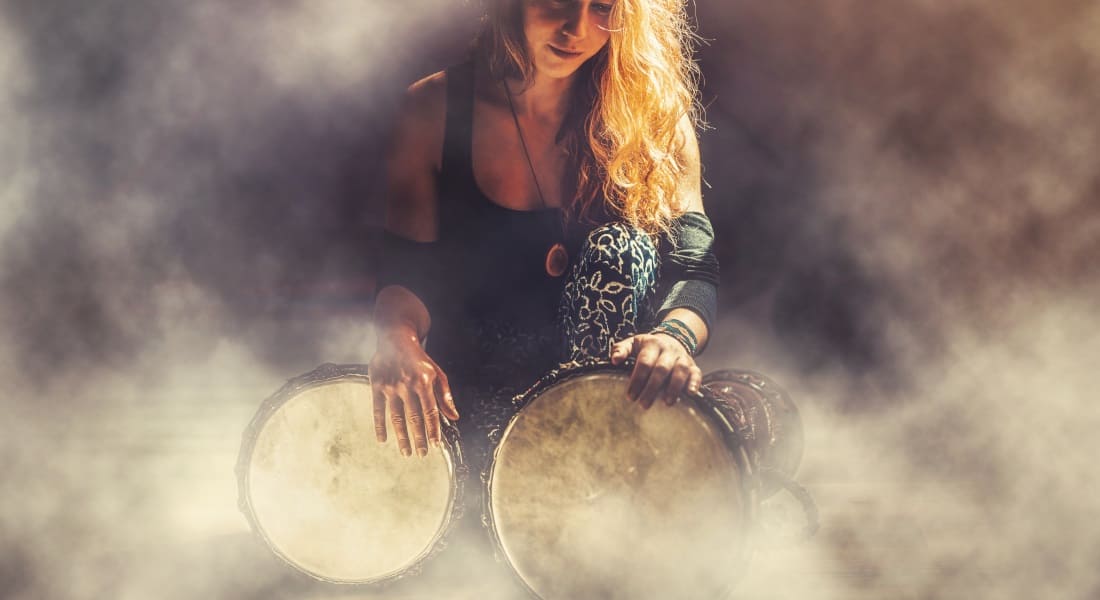
The harmony between the djembe and modern or electronic music
Modern and electronic music is a perfect playground for experimentation, and the djembe has found an unexpected place in that world. Pairing the djembe with electronic elements creates an avant-garde experience that blends ancestral African rhythm with futuristic sound design. Electronic music often relies on synthesizers, drum machines, sampling, and effects processing. Adding a djembe brings an organic, human feel that contrasts with the often mechanical nature of electronic production, creating a compelling tension.
When paired with electronic pads and MIDI controllers, the djembe can trigger sound samples, add complex rhythms, and shape effects in real time. That opens the door to live sets where performers blend electronic layers with the djembe’s hypnotic groove. Experimenting with the djembe in electronic music can also lead to genre-defying tracks. Producers and musicians explore new sonic possibilities by fusing traditional elements with technological innovation. The result is often truly original—mixing ancestral roots with futuristic textures.
Adding the djembe to electronic music is a striking example of how sound keeps evolving and reinventing itself, showing that—even with rapid technological change—the love for traditional instruments like the djembe is still very much alive.
The djembe: an African percussion instrument in perfect harmony with other instruments of the world
Explore the musical world of the djembe and you’ll quickly see why this traditional African instrument is a powerful ambassador of cultural diversity. The way it blends with instruments from around the world creates a journey rich in sound and cultural influence. Originating in West Africa, the djembe has long been a symbol of African culture. When played with other traditional African instruments such as the balafon, kora, or tama, it recreates the authentic energy of ceremonies and rituals—transporting listeners into a world steeped in tradition and spirituality.
The djembe also pairs beautifully with instruments from far beyond Africa. In flamenco, for example, it can be played alongside castanets to create a captivating Spanish atmosphere. In Latin music, it sits naturally with congas and maracas, adding an exotic edge to salsa and Cuban grooves. Middle Eastern music can benefit as well. Hand percussion such as the darbuka or riqq blends perfectly with the djembe to create fascinating rhythms and melodies.
Finally, the djembe is a true musical bridge between cultures. Its versatility lets it adapt to many influences, offering a platform for cultural exploration. This musical diversity is a reminder that music transcends borders and languages, giving us a universal way to connect and understand one another.
Create your own unique musical combination with an excellent djembe.
Music is a universal language that transcends borders and cultures. With its rich African tradition, broad sonic range, and ability to blend with many instruments, the djembe offers a musical canvas where players can paint their own masterpiece. Now that you’ve read this article, you know which other musical instruments the djembe pairs best with.
That said, finding a truly high-quality djembe isn’t always easy. Few shops offer a large selection while also insisting on excellent instruments. That’s why I personally recommend getting your next djembe from Instruments du Monde. You’ll find dozens of djembes with beautiful tone—enough to fuel thousands of hours of musical growth and enjoyment.
Browse the djembe collection available at the Instruments du Monde store today!
If you’d like to own a 100% personalized African drum, read our article to learn how to decorate the shell of your djembe. You’ll see that it’s possible to adorn your percussion instrument with many traditional African accessories.
