



Written by Ambre Montespan - Updated on Sep 25, 2026

Table of contents:
Is your djembe head so worn that it’s about to crack? When should you consider replacing the head on your African drum? How do you repair a punctured or split head on your percussion instrument? How do you replace the head on your djembe?
I’ve been playing djembe regularly for nearly 20 years, and I’ve had the chance to replace and mount heads on more than 10 different djembes myself. I’ve also spent time with several craftsmen who repair and restore djembes. So I can walk you through, in a very simple way, how to patch or replace the head on this percussion instrument.
To effectively repair your djembe head, you can cover the hole or split by gluing a patch of hide over it. Otherwise, you’ll need to replace the head entirely, making sure you choose the right new one.
By the time you finish this guide, you’ll know:
- When should you change your drum’s head?
- The equipment needed to replace or repair the head on this instrument
- Tips for repairing a hole in a djembe head
- The steps for mending a djembe head
- How to mount a djembe head and the precautions to take before doing so
- Where to get your African drum head repaired
With all this information, you’ll be able to fix any issue that may come up with your drumhead, so you can stay fully independent—always a great thing for a musician who’s passionate about their instrument.
Now it’s time to find out how to repair and replace the head on your djembe.
When should you replace the skin of this African musical instrument?
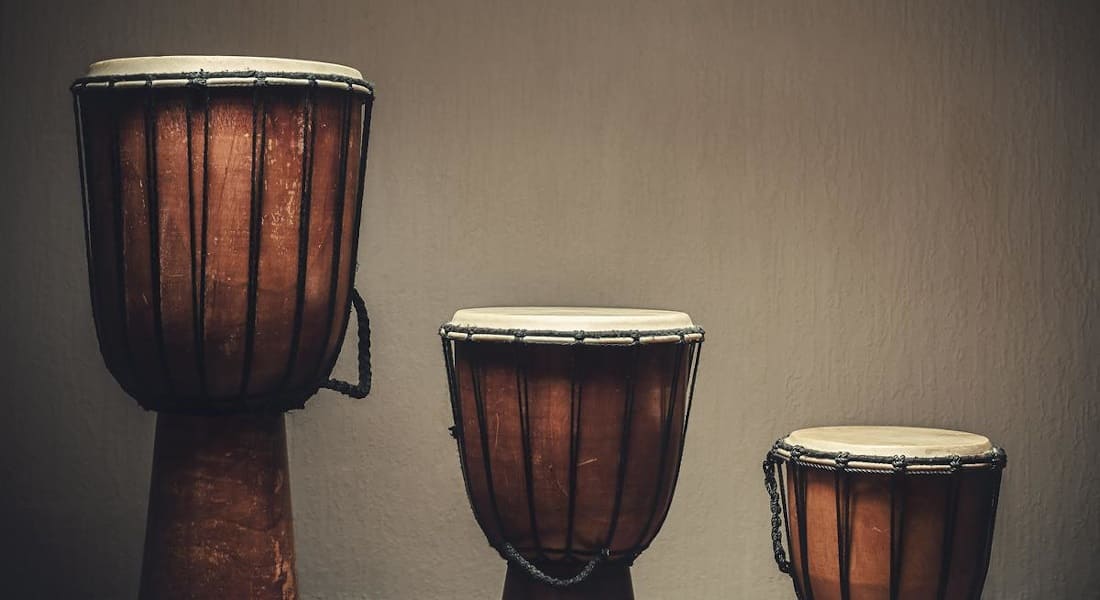
Replacing the head on a djembe is a crucial part of maintaining this percussion instrument. Knowing when it’s time to swap out the existing head is key to preserving your djembe’s sound quality and overall integrity. There are several signs that indicate it’s time to replace the head. First, obvious wear is the clearest indicator. If you notice cracks, tears, or punctures, it’s time to consider a replacement. Visible damage doesn’t just affect the instrument’s appearance—it also directly impacts tone by changing the djembe’s resonance.
In addition, a djembe head can loosen and lose its original tension over time. If it becomes harder and harder to get the sound you want, or if the head feels “soft” under your hands, it may no longer be vibrating properly. In that case, replacing the head may be necessary to restore the instrument’s tone, especially if retuning doesn’t solve the problem.
Humidity and temperature swings can also affect a djembe head. If you store your djembe in poor conditions, such as a space that’s extremely dry or overly humid, it can lead to unwanted changes in head tension. If you notice the head warping or loosening unevenly, it’s time to consider replacing it.
Finally, frequent playing also naturally wears the head down. If you’re an active percussionist and you play your djembe often, you may notice the head wears out faster. Most percussion pros recommend replacing the head every 2 to 3 years with regular use, although this can vary depending on the head’s quality and how often you play.
How do you repair a hole in a djembe head?
Repairing a hole in a djembe head is a valuable skill for any percussionist or fan of this instrument. Holes can happen due to wear, impacts, or accidents. Fortunately, you can often patch them well enough to extend the life of the head. To do so, gather the necessary tools and materials.
You will need:
- A piece of hide, preferably from the same type of animal
- Scissors or a precision knife
- Super glue or an adhesive made specifically for rawhide/leather
Once you have everything, start by cutting a patch large enough to fully cover the damaged area. Ideally, the patch should be similar in thickness to the original head to preserve the instrument’s tone. Essentially, you’re making a “bandage” for the split head.
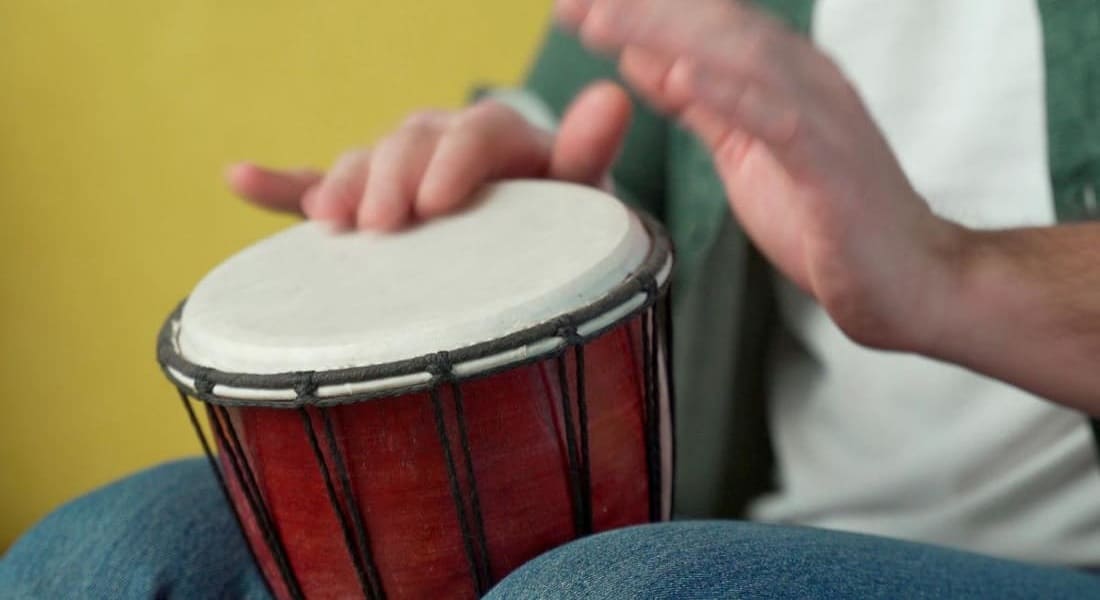
Next, glue the patch over the hole using a strong adhesive. Make sure it’s pulled taut and bonded evenly over the damaged area. Once it’s in place, wait a few minutes for the glue to fully set and create a solid hold. You may need to retune the drum, depending on how large the hole was, before playing again.
It’s worth noting that while this method can work well for patching holes in a djembe head, it may affect the instrument’s tone. Also, repairs made with this technique are usually not as strong as the original head, and the sound may change slightly. Still, it’s almost free, quick to do, and can extend the head’s lifespan while avoiding spending dozens of euros on a full replacement.
How can you effectively fit a new djembe skin?
If the method mentioned above doesn’t work or isn’t feasible for you, the only alternative is to replace the old head entirely with a new one. Installing a new head requires precision and a well-defined process. First, make sure you’ve removed the old head from the djembe, cleaned the inside of the instrument, and checked that the shell and bearing edge are in good condition. These prep steps are essential for a successful installation.
Next, you’ll need to find a new head in the right size, decide whether you want it tanned, clean it, soak it before mounting, and then let it dry for the required amount of time.
How do you measure the dimensions of a djembe skin?
Accurately measuring a djembe head is essential to ensure the new head fits the instrument properly. Once the old head has been removed, measure the outer diameter of the area where the head will be secured. Use a tape measure or a similar tool to get this measurement. That gives you a baseline, but the new hide will need to be larger than the diameter you measured. Add about 4–8 in (10–20 cm) to determine the size you’ll need for your drum.
You can also use the old head, if you still have it, to determine the correct size—simply choose a hide with the same surface area. Another essential measurement is thickness. Use a caliper or similar tool to measure the thickness in several places. Be sure to measure at different points and take an average, since thickness can vary across the hide. Thickness matters because it influences the djembe’s tone. So if you choose a different thickness than your old head, you won’t get exactly the same sound once the new one is mounted.
Should you tan a skin before mounting it on your African drum?
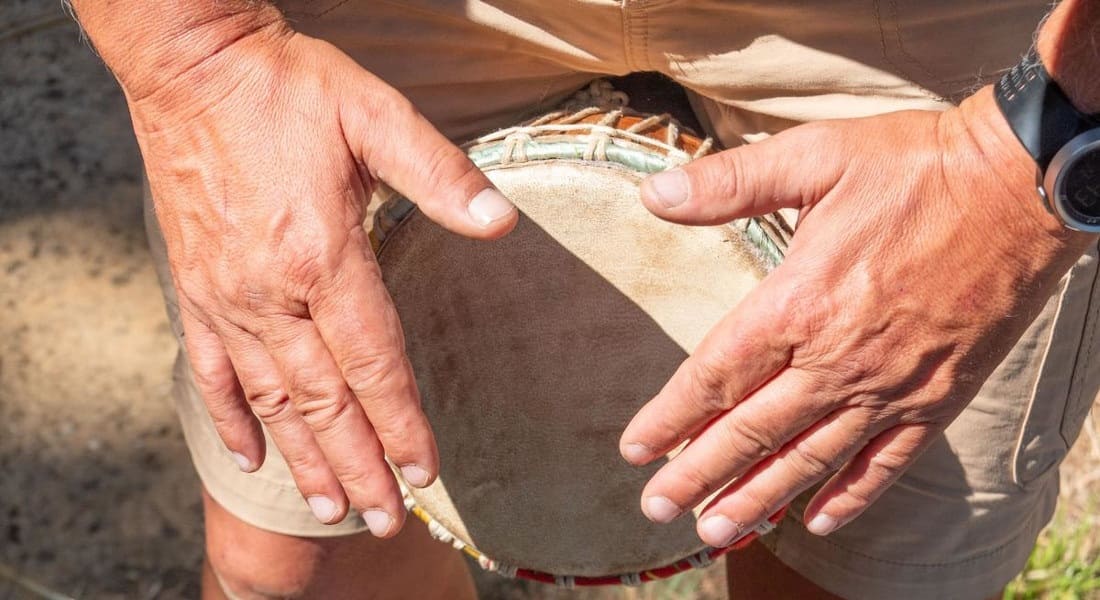
When you’re about to mount a new head on your djembe, a common question is whether you need to tan the hide beforehand. Tanning is a preparation process that can affect durability, tone, and feel. Here are a few things to consider. In the djembe world, tanning isn’t required, but some percussionists prefer it. Tanning involves treating the hide with natural or chemical substances to make it more durable, more flexible, and less sensitive to humidity changes. It can also affect the hide’s color.
The main benefit of tanning is increased durability. A tanned head will hold up better to humidity, which can matter if you play in climates where conditions change often. It’s also typically less sensitive to tension fluctuations, which can make the djembe more stable and easier to tune. That said, tanning can also change the sound. Some percussionists prefer the raw, natural character of an untanned head because it can produce richer overtones and a more authentic resonance. Tanning may soften some of those qualities.
Whether you tan or not ultimately comes down to personal preference and how you’ll use your djembe. If durability and stability are your top priorities, tanning can be a smart choice—and it’s the option I recommend for beginners. If you’re after a more natural, traditional tone, you may prefer an untanned head. If you do choose a tanned head, I recommend buying it pre-tanned so you can avoid a complex process that requires lots of tools and chemicals. However, if you want to try it yourself, you can find a complete guide to tanning hide right here.
Should the skin be cleaned or moistened before mounting it on the musical instrument?
When you’re getting ready to mount a new head on your djembe, it’s essential to ask: should you clean it before mounting? Yes—cleaning is an important step for a proper install and the best possible sound. Before mounting the new head, it’s recommended to thoroughly clean the inside surface. Over time, the old head can build up residue, dust, or debris that will affect tone. Using a soft cloth or brush to remove these impurities is crucial. The goal is to create a clean, even surface so the new head sits correctly inside the djembe.
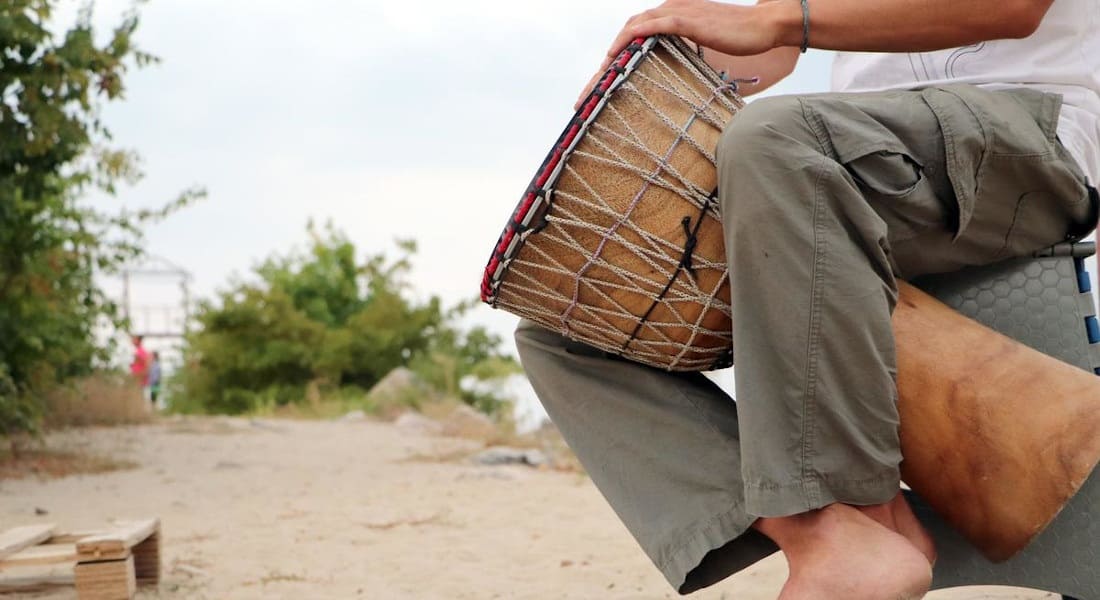
A clean, well-prepped interior helps the new head seat properly. It also helps ensure the head is evenly tensioned across the entire drum. A head mounted on a clean surface will resonate better and produce a more authentic tone. However, be careful when cleaning. Avoid harsh or abrasive chemicals that could damage the hide. Stick to gentle, non-abrasive methods to remove buildup. Once it’s clean, the next step is soaking.
Soaking is also important because it makes the hide more supple. Soak your new head in clean water for 5 to 8 hours. Don’t leave it too long, or you risk damaging it. Once soaking is complete, gently stretch the hide to remove creases or wrinkles. Make sure it’s evenly stretched, since that will help you get the best sound once it’s installed. Then proceed straight to mounting.
How to replace a djembe skin?
Now that your new head is ready, all that’s left is to mount it on your djembe. This step is fairly straightforward once you understand the core technique. You’ll apply tension to the instrument’s metal rings to tighten the head, and that tension is created by the nylon rope lacing that runs all the way around the djembe.
To keep this article from getting too long, I’ve created a dedicated tutorial on tensioning and tuning a djembe head. Take a look, then come back here to finish replacing your percussion instrument’s head.
How long should the djembe skin be left to dry?
Once the head is properly mounted on the djembe, it needs time to dry. Drying is essential so the hide bonds firmly to the drum’s structure, which is key for good tone. Drying time depends on several factors, including hide thickness and environmental conditions like humidity and room temperature. As a general rule, it’s recommended to let the head dry for at least 24 hours.
In humid conditions, drying can take longer. Make sure the head is completely dry before playing again. Playing on a head that hasn’t dried properly can cause tone problems and may even damage it. Finally, never dry the head in direct sunlight—rapid temperature changes can weaken the hide or cause cracking. Instead, leave the drum outside in the shade, or place it near a gentle heat source, such as a radiator, if the weather is rainy.
Practical tips for caring for your drum’s new skin
Maintaining your djembe’s new head is essential to preserving sound quality, durability, and playability. Here are some practical tips for caring for a newly mounted head:
- Keep your djembe away from extreme temperatures. Avoid exposing it to intense heat, extreme cold, or excessive humidity, as this can affect head tension.
- Tighten the head regularly. After mounting the new head, check tension often. The head may loosen over time, especially during the first few weeks. Use a djembe tensioner to readjust it if necessary.
- Cleanliness is essential to maintaining tone. Wipe the head often with a soft cloth to remove dust and residue. Make sure the cloth is dry, since excess moisture can affect the hide.
- Use appropriate care products. There are products specifically made to care for drumheads/hide. You can use a hide treatment or conditioner to maintain suppleness. Be sure to follow the manufacturer’s instructions.
- Protect the head during transport. When moving your djembe, use a suitable cover or case to shield the head from bumps and scratches, and make sure the djembe is securely fastened inside the case to prevent excessive movement.
- Avoid excessively powerful strikes. Although the djembe is designed to be played with the hands, avoid hitting too hard, especially on a newly mounted head. Overly aggressive playing can damage the hide or cause it to stretch prematurely.
- If you live in a climate where humidity varies a lot, consider using a humidifier or dehumidifier to keep levels stable. Humidity changes can affect head tension.
- If you notice slackening or uneven tension, don’t hesitate to make adjustments. Proper tension is essential for the best sound.
By following these care tips, you’ll extend the life of your new djembe head while keeping your sound at its best. Take care of your instrument, and it will continue to resonate authentically for many drumming sessions to come.
Where can I get a djembe repaired?
You may not want to repair or replace your djembe head yourself. In that case, it’s essential to find a qualified professional to do the work. Choosing the right place can make all the difference in the quality of the repair and how your drum performs afterward. Just be prepared to spend some money—some pros charge more than €100 to replace a head.
Local music stores are often a great starting point for djembe repairs. They may have an in-house workshop or a tech who works on percussion, even if djembe isn’t as common as a drum set. Ask around at music stores in your area to see whether they offer djembe repair services. You can also browse online directories to find that rare gem. You might be surprised at how many qualified professionals are nearby.
Luthiers and craftsmen who specialize in African percussion are another excellent option for djembe repair. Their expertise in building and restoring traditional instruments can ensure high-quality work. Look for local luthiers or artisans who focus on African percussion instruments, since they’re most likely to know djembes inside and out.
Music schools and percussion communities are also great places to get recommendations. Members often know who does the best work locally. If you can’t find someone nearby, online repair shops are another option. Many luthiers and technicians offer remote repair services—just be sure to check reviews and ask about their experience before shipping your instrument out.
Music festivals and percussion events are often attended by professional percussionists. You may get the chance to speak with djembe repair experts at these events, and some even offer on-site services. Don’t hesitate to ask experienced players in your area for recommendations—their firsthand experience can help you find the right person to repair your djembe.
Invest in a high-quality replacement head for your percussion instrument
It goes without saying that the head is the heart of the djembe. As a result, knowing how to patch it or replace it is an extremely useful skill for any musician who wants to be more independent and save money. Now, thanks to this article, you know how to remove the old head and fit a new one on your African drum, so you’ll be able to do the job with confidence.
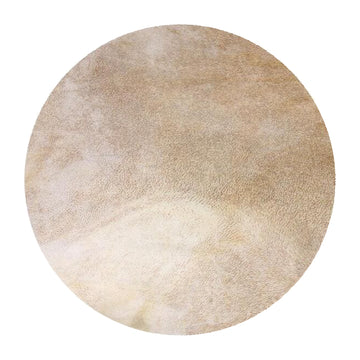
That said, every djembe deserves a high-quality head to produce truly inspiring sound. A low-grade head will always be disappointing, and no player can fully enjoy their instrument that way. That’s why I recommend the heads from the Instruments du Monde store: they come pre-tanned and shaved to make installation easier. Plus, their thickness is consistent for crisp, punchy tone.
Fit the perfect head to your djembe by clicking on the image below:
If you’re thinking of upgrading to a new djembe, be sure to read my article on the criteria to consider when choosing a good djembe. With all the advice you’ll discover, you’re sure to make the right choice when selecting your future African drum.
