



4.6 / 5 - 500+ verified reviews
Quartz Singing Bowl
€199
€34 Worth of Free Accessories Included with Your Order


"The bowl arrived quickly and was carefully packaged. It’s beautiful and has a lovely sound."
Laura G.
See how to use this Tibetan quartz singing bowl
Transform your day into an unforgettable experience with this exceptional quartz singing bowl!
Let your mind gently drift away with this quartz singing bowl
Quartz crystal—often simply called quartz—is a silica-rich mineral with a milky, translucent appearance. In crystal healing, it’s widely used to encourage inner calm, rebalance the body’s energy, and soothe emotional wounds. A perfect complement to the Tibetan singing bowl, quartz versions of this instrument began appearing in the 1980s. A true echo from deep within the Earth, its generous 8 in (20 cm) diameter is ideal for rich, powerful resonance. Plus, its stunning gold-toned design is simply gorgeous. All that’s left is to choose the frequency and musical note that match what you want to work on, then let the pure crystalline vibrations do the rest. Treat yourself to this precious quartz singing bowl today.
Free gift:
-
An exclusive booklet on how to use the Tibetan bowl
-
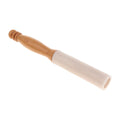
A suede-wrapped striker
-
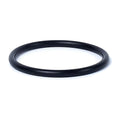
A rubber ring stand
Technical specifications of the quartz singing bowl
| Diameter | 8 in (20 cm) |
|---|---|
| Weight | 4 lb 7 oz (2,000 g) |
| Musical note/key | C, D, E, F, G, A, and B |
| Frequency | 440 or 432 hertz |
| Material | pure quartz crystal |
You deserve a moment of calm and deep reflection. Let yourself be transported by the harmonious vibrations of our Buddhist singing bowl, which will guide you toward a Zen state of mind, just like the monks in temples. You can also discover our varied selection of Tibetan bowls to choose the one that's perfect for you.

4.6 out of 5, based on 500+ reviews
Frequently bought together
Add this selection of customer-recommended items to your cart.


Complete your order
€273
Out of ideas? Give a gift card!

Out of gift ideas and want to be sure you get it right? Let them choose with a gift card.
You may also like
Take a look at a selection of products picked just for you!

Rose Quartz Singing Bowl
10 in 432 / 440 Hz Quartz Crystal
€239

Quartz Crystal Singing Bowl
6–14 in Note C 440 Hz
€159

432 Hz Singing Bowl
8 in Quartz Crystal
€209

D Singing Bowl
8 in Note D 432 / 440 Hz
€229

Singing Bowl 12 in
432 / 440 Hz Quartz Crystal
€299

Glass Singing Bowl
6 in 432 / 440 Hz Quartz Crystal
€359

Crystal Singing Bowl 10 in
432 / 440 Hz Quartz Crystal
€259

Singing Bowl in E
8 in Note E 432 / 440 Hz
€179
