



Written by Ambre Montespan on Aug 27, 2026 · Updated on Sep 13, 2026

Table of contents:
A piano is undoubtedly one of the most delicate items to transport during a house move. Its weight, size, and internal mechanics make it an instrument that must be handled with real care. Improper handling can damage the cabinet, throw the strings out of tune, or break the action. Fortunately, a few simple precautions can prevent costly damage. Here are the key precautions to take to make this delicate operation go smoothly without unpleasant surprises.
Assess the Weight and Type of Piano Before You Begin
Moving a piano depends heavily on its specific features. An upright piano, for example, weighs an average of 200 to 300 kg. A grand piano, on the other hand, can easily exceed 400 kg. This weight difference completely changes the moving method you need to use.
So, before anything else, you need to identify the exact model of the instrument. An upright piano is generally moved in a vertical position with suitable equipment. For a grand piano, some parts, such as the legs and pedal lyre, may need to be removed to make handling easier. This step requires true technical expertise because every imprecise movement can damage the internal mechanism.
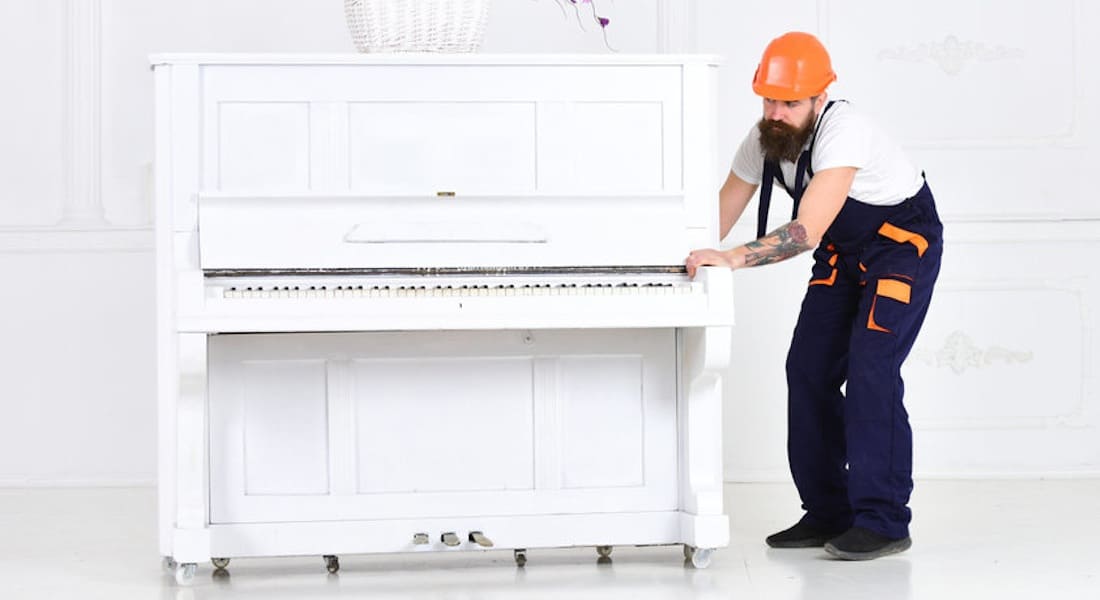
That’s why it is often recommended to move a piano with the help of professionals equipped with the right gear. Even a motivated individual rarely has a full sense of the risks involved. One drop or one bad angle can be enough to damage the instrument beyond repair. The cost of a repair often far exceeds the cost of a properly supervised move.
Prepare the Route Before the Move
Before moving the piano, take the time to prepare its route. First, measure every passageway precisely: doors, hallways, and staircases. A piano that will not fit through a standard hallway may require removing a window or a door. This check should be done several days before the move so you can anticipate any technical constraints.
It is also essential to clear the path between the starting point and the van. Rugs, furniture, and fragile items should be moved out of the way. Every obstacle creates a risk of impact or a fall during transport. A clear path also makes it easier for the movers to manoeuvre.
Remember to protect the floors as well. The wheels of a sack truck or the piano’s feet can scratch delicate wooden floors. Protective boards or thick blankets help limit this damage. That way, you can avoid discovering scratches on the floor or wheel marks after the fact.
Finally, it is best to plan around the weather. A piano should never be exposed for long to humidity or sudden temperature changes. The wood and strings are particularly sensitive to them. If rain is expected, have a suitable tarpaulin ready to cover the instrument on the way to the van.
Use the Right Equipment for Transport
The right equipment makes handling easier and, most importantly, reduces the risk of a fall or impact. A dedicated piano dolly, with wide wheels and a stable platform, is essential. It helps distribute the weight and prevents excessive vibration during the move.
Lifting straps are also necessary for handling the instrument without scratching it. They must be strong and correctly positioned under the case. Poor weight distribution can weaken the piano’s internal structure and damage the soundboard.
Padded removal blankets protect the corners and varnished surfaces. They absorb shocks during handling and during the journey in the van. The piano must always be firmly secured to prevent any sliding on the road. Tie-down straps complete the setup and keep the instrument secure throughout transport.
Do not underestimate the number of people needed to carry it either. Moving an upright piano requires at least three to four people. A grand piano often requires more because of its shape and fragility. Good coordination among the movers greatly reduces the risk of an accident.
Hire Professional Piano Movers
When access involves stairs, a narrow passageway, or multiple floors, it is best to leave the handling to a team used to moving this type of instrument. A damaged piano represents a major financial loss, sometimes several thousand euros. Repair costs often exceed the cost of a professional move.
Specialist companies have valuable experience. They know the lifting, bracing, and tie-down techniques specific to each type of instrument. They also carry insurance that covers possible damage, which gives owners peace of mind. This cover can be valuable if something unexpected happens during transport.
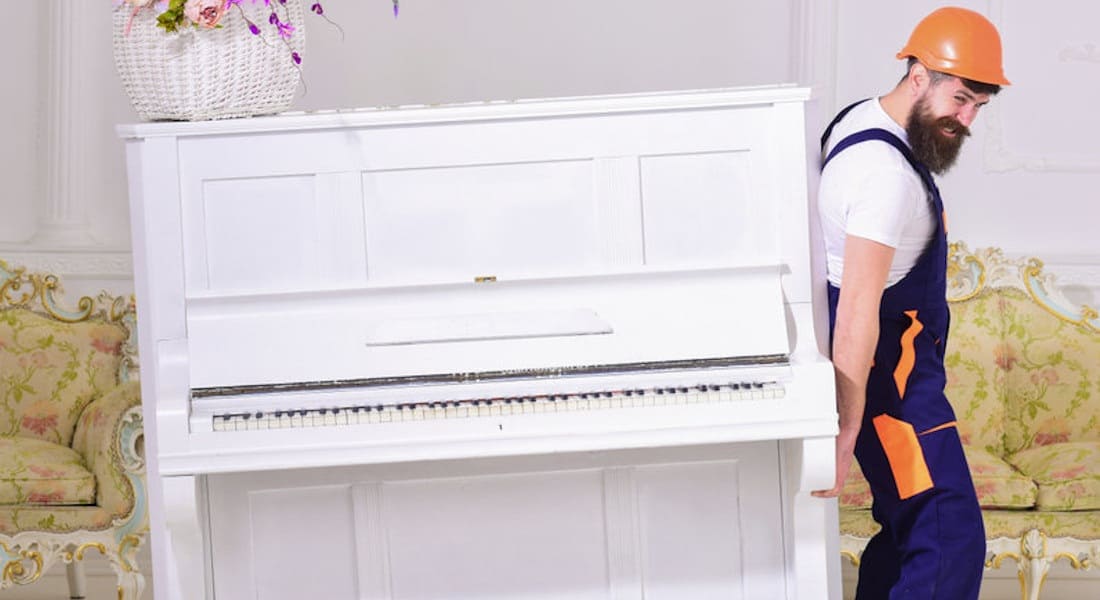
It is therefore advisable to contact a mover before attempting this operation on your own. A quote lets you compare services and plan the necessary budget. This step avoids many complications on moving day, especially for an antique or high-value instrument.
Some professionals even offer a service dedicated exclusively to pianos. They arrive with specific equipment and a team trained for this exact task. This option remains the safest choice for a valuable instrument, whether it is a family piano or intended for professional use.
Check the Instrument’s Condition After Transport
Once the piano has arrived at its destination, a few checks are necessary. First, let the instrument acclimatise to the room temperature. A sudden change can have a lasting effect on the wood and the tuning.
It is generally best to let the piano acclimatise before playing it again or having it tuned. Depending on the transport conditions, a waiting period of several hours to a few days may be recommended.
It is then recommended to call a professional tuner. Transport, even when done properly, slightly changes the tension of the strings. A complete tuning ensures accurate sound and reliable mechanical performance over the long term.
Finally, visually inspect the case and legs. Look for any scratches, cracks, or warping. This quick check lets you report any issue before it gets worse and file an insurance claim if necessary.
In short, moving a piano requires method and caution. To limit risks, plan the route in advance and use suitable equipment. If the piano is heavy, old, or difficult to access, hiring a professional generally remains the most cautious choice. Working with professionals is often the safest way to preserve this valuable instrument over the long term.
If you don't yet own a first instrument, I've put together a guide to help you choose one with complete peace of mind. Have a look at it now.
