



Written by Ambre Montespan on Oct 9, 2023 · Updated on Oct 15, 2026

Table of contents:
Thinking about treating yourself to a djembe soon? Curious about the many types of wood that can be used to craft this magnificent drum? And most importantly, do you want to know which wood to choose to make sure your future percussion instrument delivers exceptional sound?
I’ve been playing the djembe regularly for almost 20 years. Over time, I’ve seen how each type of wood gives this African drum its own sound character and unique musical personality. Below, I’ll share the acoustic “secrets” behind the woods most commonly used to make this wonderful instrument.
There are many types of wood used to make djembes. Each wood has its own characteristics and musical feel. Among the best are mahogany, iroko, and doussié wood.
In this article, you will learn:
- How wood affects the sound of the djembe
- The different types of wood used to make this drum
- The best wood to choose for your djembe in order to have an exceptional instrument
With all the knowledge you’ll gain from this article, you’ll be able to choose the right wood for your djembe. You’ll also be able to advise anyone who wants to purchase this percussion instrument.
So now, let’s discover together the ideal wood for your djembe.
What impact does wood have on the sound of this percussion instrument?
Before listing the different types of wood that can be used for djembes, it’s essential to understand the impact of this material on the acoustics of the drum. Wood influences resonance, timbre, tonal balance, and the djembe’s dynamic response. Let’s go through each of these points.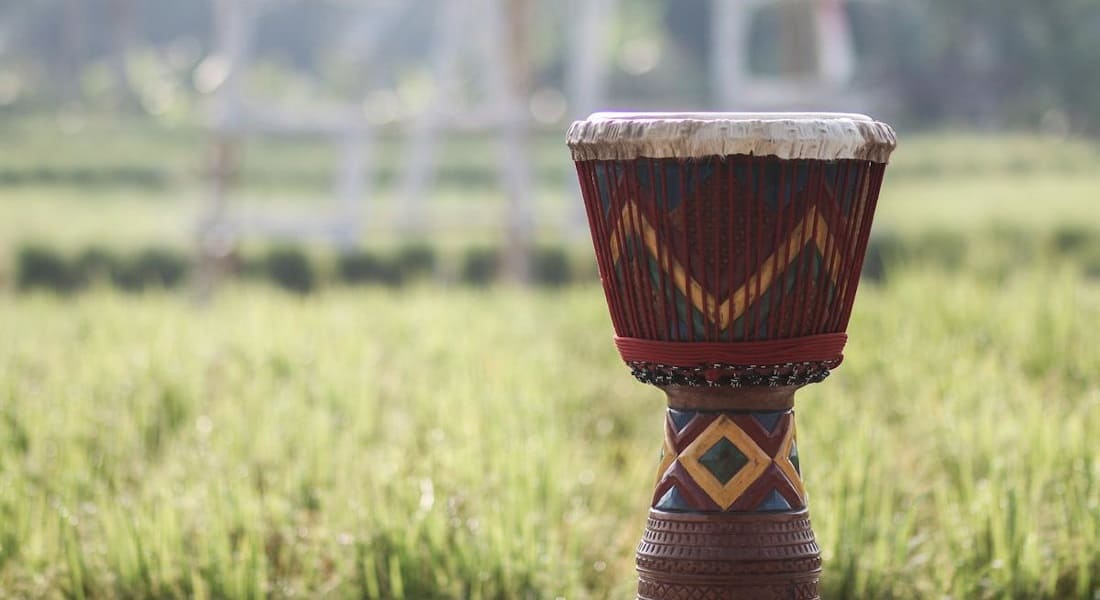
Resonance and projection of the percussion instrument
The density of the wood plays a key role in the resonance and projection of the sound. Denser woods, such as iroko, tend to produce a more punchy sound with strong projection—great for outdoor playing and powerful rhythms. On the other hand, less dense woods, such as melina, can offer a warmer, softer resonance, perfect for more nuanced playing.
The drum’s timbre
Each type of wood gives the djembe a unique tone. Some woods bring out a brighter sound with more pronounced highs, while others lean warmer with fuller bass. Choosing the wood lets you tailor a djembe’s voice to your preferences and playing style.
The tonal balance of the musical instrument
Certain woods are known for their exceptional tonal balance like vène wood and mahogany. That means the djembe produces a harmonious blend of bass, midrange, and treble, allowing the percussionist to explore a wide variety of rhythms and subtle nuances.
The dynamic response of the djembe
The way the wood reacts to variations in playing shapes the djembe’s dynamic response. Some woods react quickly to hand pressure, letting the percussionist create expressive effects and fine nuances. Other woods respond more slowly, which can be a plus for certain playing styles.
In addition, it’s worth noting that beyond its impact on sound, the type of wood also affects the instrument’s durability. Some woods handle moisture and wear better, making them a smart choice for percussionists who play often or in changing conditions. Choosing the right wood for a djembe is a crucial decision that will shape your drum’s sound and longevity. Each wood offers a different musical experience, and the best choice is the one that matches your style and the tone you’re after. When chosen carefully, the wood becomes an essential partner, helping you create extraordinary rhythms and melodies.
Mahogany: one of the best woods for the djembe
When it comes to choosing wood for your djembe, mahogany is undoubtedly one of the best options—and for good reason. First, mahogany is renowned for its density and strength. That density provides excellent resonance and strong projection, which are essential qualities for a djembe meant to speak clearly and powerfully. Beyond that, mahogany has another major advantage: its ability to produce a balanced sound. It offers a full tonal range, with deep bass, rich mids, and clear highs. This balance helps percussionists explore a wide variety of rhythms and musical colours, making mahogany an extremely versatile choice.
Another advantage of mahogany is its dynamic response. It’s sensitive to playing nuances, reacting quickly to changes in hand pressure. In other words, mahogany djembes can be very expressive, allowing musicians to shape the sound to match their musical intention. In terms of durability, mahogany is also an excellent choice. It is resistant to wear and tear and can withstand a variety of conditions, making it a reliable wood for percussionists who frequently play outdoors or in different environments.
Finally, mahogany is prized for its natural beauty. It often features striking grain patterns and warm tones that add an appealing visual dimension to the instrument. It’s worth mentioning that mahogany stands out as a top choice for djembe thanks to its density, tonal balance, dynamic response, durability, and aesthetics. Percussionists around the world recognise the exceptional quality of mahogany and frequently choose this wood to create unforgettable rhythms and melodies. If you’re looking for a djembe that offers exceptional sound and a rich musical experience, mahogany is a safe and well-informed choice.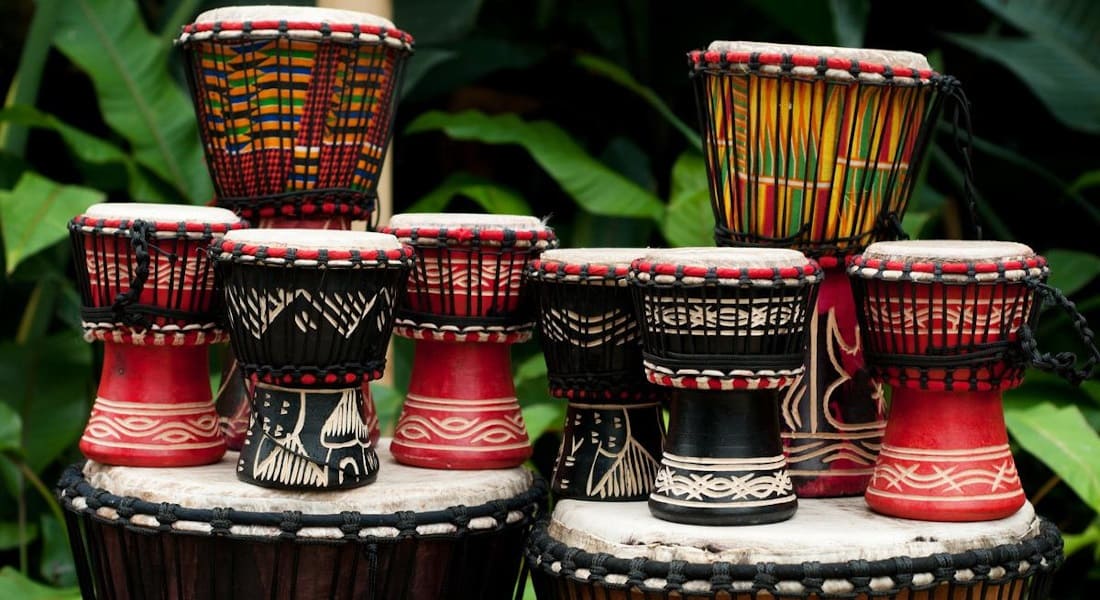
Iroko, a sturdy and durable wood for percussion instrument design
Iroko is one of the woods that has gained popularity for making djembes over the years. Native to West Africa, this massive tree is also known as “African teak” because of its similarities to classic Asian teak. Iroko is renowned for its exceptional durability, weather resistance, and distinctive grain, which makes it an appealing choice for percussion instruments. In particular, iroko is prized for its density and strength, making it an ideal material for djembes. Its ability to handle moisture and wear makes it a wise option for players who perform outdoors or in demanding environments.
In addition, iroko has a distinctive sound that sets it apart from other woods. Djembes made from iroko tend to produce warm, deep bass tones along with clear, punchy highs. This mix gives percussionists a wide sound palette, making it a versatile choice across many styles and settings. Visually, iroko ranges from light brown to golden brown with darker streaks, creating a captivating look. This natural beauty adds an extra dimension to the instrument, making it a true visual centrepiece during performances.
Doussie wood: a special wood for drum making
Doussié wood, also known as lengue, linge, linké, lenké, or by its scientific name Afzelia, is an interesting choice in traditional djembe-making in West Africa. This wood is highly valued for its acoustic qualities. First, it should be noted that doussié is appreciated for its density and its ability to produce a rich, deep sound. Djembes made from doussié offer a distinctive voice with powerful bass and crisp highs, which is why it appeals to many professional and amateur percussionists.
One drawback is its durability: it’s less resistant to harsh conditions, including humidity, than the other woods listed in this article. Over time, the sound of a doussié djembe can change—not necessarily for the better—which means professional musicians may need to replace their instrument more often. Visually, doussié ranges from light brown to dark brown, often with darker veins or unique patterns. This natural look gives doussié djembes an authentic charm, making each instrument a piece of art in its own right.
Senna siamea, a highly controversial wood in djembe design
Senna siamea, also called Siamese cassia, is one of many woods used in djembe-making. Native to Southeast Asia, Senna siamea was introduced to West Africa by humans and spread throughout the region. Today, some makers use it to create iconic percussion instruments, such as the tam-tam or dum-dum. However, the use of Senna siamea for djembes is a subject of debate among percussionists and manufacturers. While some praise its acoustic qualities and availability, others prefer traditional African woods.
Djembes made from Senna siamea are often described as having a slightly different sound than drums made from traditional African woods. This species tends to produce deep bass and clear highs, but the sound quality can vary depending on the density and quality of the wood. Still, one major advantage is availability, which helps keep prices lower and makes djembes more accessible to a wider audience. Senna siamea is also generally considered durable, even if it may not be as tough as some African hardwoods. In the end, the decision to use Senna siamea usually comes down to the preferences of the maker and the player.
Vène wood: a wood prized for its deep resonance
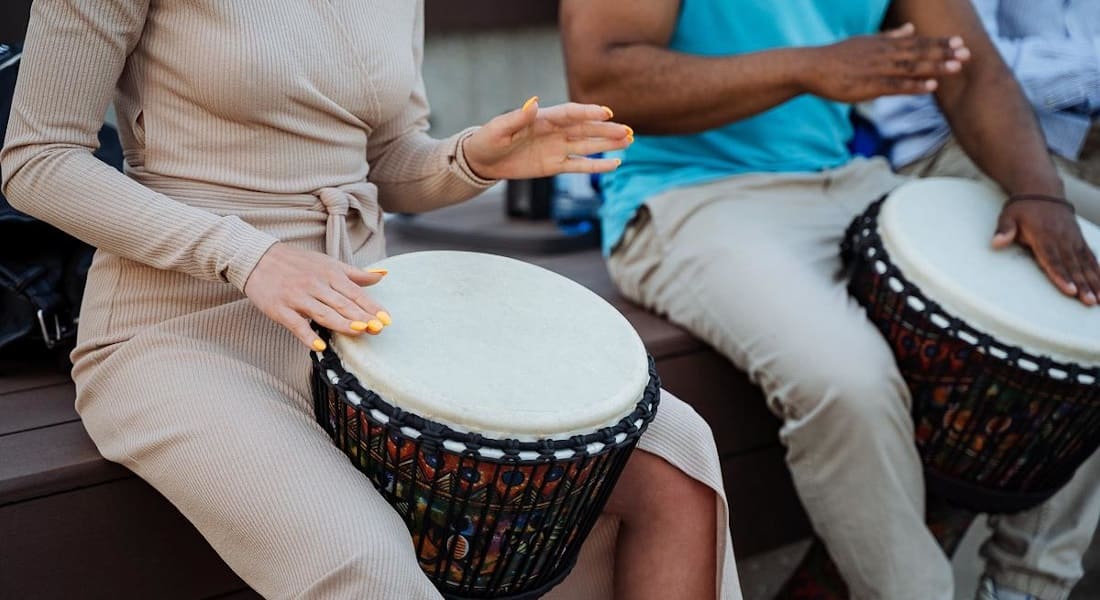
Vène wood, also known as N’guénou or Guénou, is one of the African woods used in the manufacture of djembes. Native to West Africa—especially Mali, Ivory Coast, and Senegal—it’s valued for its acoustic qualities and durability. Guénou is also known for producing a deep, warm resonance, making it a popular choice among djembe makers. That sound quality is essential for creating the distinctive, powerful voice of this percussion instrument.
Beyond its rich tone, Guénou is valued for durability, holding up well to outdoor playing and temperature changes. Unfortunately, Guénou is threatened with extinction because of high demand in China, where it’s used to make luxury furniture. It’s essential that vène wood be harvested responsibly to ensure the species can endure. If you can’t confirm that makers and suppliers support sustainable practices (including replanting), it’s best to choose another wood to help protect this species.
Crafting a vène wood djembe requires real carving expertise, as artisans carefully shape the wood into the instrument’s iconic chalice form while ensuring it resonates beautifully. Vène wood plays an important role in the richness of traditional African music and remains a prized choice worldwide for its authenticity and powerful voice. It’s just a shame to see how rare this wood has become across the African continent.
Melina wood: a wood rarely used in the manufacture of djembes
Melina wood is sometimes used in the manufacture of djembes, although it’s less common than other woods such as mahogany or doussié. Native to South and Southeast Asia, melina has a few traits that make it interesting for percussion instrument building. It’s appreciated for being lightweight and easy to work, which appeals to artisans who carve djembes. Its colour ranges from blond to pale brown, with a generally fine texture and straight grain.
Djembes made from melina tend to produce a distinctive sound, often described as having deep bass with clearer highs. However, the use of melina for djembes can be debated among percussionists and purists of African music. Some believe that melina cannot quite replicate the authentic sound of traditional woods, while others enjoy its unique tone and accessibility.
Another reason artisans choose melina is its availability and lower cost compared to other woods, making it a solid option for anyone who wants a djembe without paying for premium hardwoods. Ultimately, as with any instrument, the best choice depends on your personal preferences and the quality of the maker’s craftsmanship.
Dimb wood: a strong and durable wood for African drums
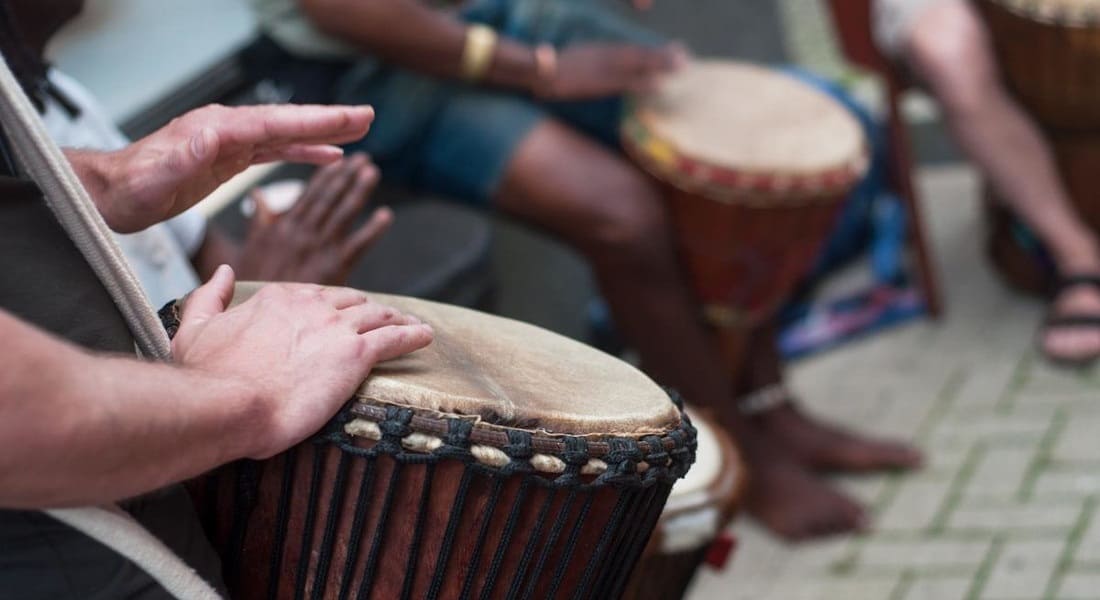
Dimb wood, sometimes called dugura, is widely used to make traditional djembes in West Africa. This wood has qualities that make it popular among artisans and percussionists. Dugura is valued for durability and weather resistance, which makes it well-suited to djembes often played outdoors during ceremonies and gatherings. Its colour ranges from light brown to dark brown, with a fine texture and straight or slightly wavy grain.
Djembes made from dimb wood are not particularly renowned for deep, rich tones. This material tends to offer a more basic resonance, with less powerful bass and fairly clear highs. Still, many percussionists appreciate its versatility, which supports a wide range of rhythms and melodies. Because dimb is often used to craft traditional djembés, it helps preserve the authenticity of this iconic African instrument.
Choose mahogany to enjoy an authentic musical journey with your djembe
With so many options out there, it’s not easy to choose the right wood for your djembe—especially since reliable information on the topic can be hard to find. Through this article, you’ve discovered several woods used to make djembes and the acoustic traits that come with each one. You can now choose your future African drum with confidence based on what you want to hear and feel when you play.
Now you know that your djembe’s sound depends heavily on the wood used to build it. If you’re looking for a melodically rich, authentic voice, mahogany is more than recommended. Its unique qualities—durability, a deep and complete sound, and long-standing traditional use—make it a go-to choice for percussionists worldwide. Treat yourself to a mahogany djembe from the trusted Instruments du Monde store. Choose authenticity, and let your musical journey begin with rhythms that truly resonate.
Invest in a quality djembe and purchase one of the models in our collection.
Because the djembe is a musical instrument that needs regular care to keep sounding its best, we strongly recommend reading our article on djembe and skin maintenance so you can preserve your drum’s full musical potential.
