



Written by Ambre Montespan - Updated on May 8, 2026
Table of contents:
Do you own a Tibetan singing bowl and want to clean it because you’ve noticed dirt or rust? Do you want to maintain your instrument so it keeps its original shine? Would you like to know how to care for your singing bowl, whether it’s made of metal or quartz crystal?
I personally own more than twenty Tibetan bowls, made from both a seven-metal alloy and crystal. Over time, I’ve often had to deal with cleaning and maintaining these unique, delicate musical instruments, which need to be handled gently. So I can share plenty of practical tips to help you care for your singing bowl—and, most importantly, avoid the common mistake of washing it with a product that’s too harsh.
Metal Tibetan bowls should mainly be wiped with a soft cloth and cleaned with a mixture of hot water and lemon juice. Crystal singing bowls, on the other hand, should be scrubbed with a soft-bristled brush using warm water and dish soap.
By reading all the information in this article, you will finally be able to:
- Care for a Tibetan metal bowl
- Protect a crystal singing bowl from dirt and dust
This way, you’ll be sure you’re using the right techniques to clean and maintain your precious Asian instrument—especially avoiding the mistake of using an unsuitable detergent that could seriously damage it.
Let’s take a look at how to keep your Tibetan bowl intact for many years to come.
How to maintain and clean a metal singing bowl?
Metal Tibetan bowls are the most common type. To understand how to clean and care for them, you first need to know exactly what alloy they’re made of, then adapt your cleaning and maintenance routine accordingly.
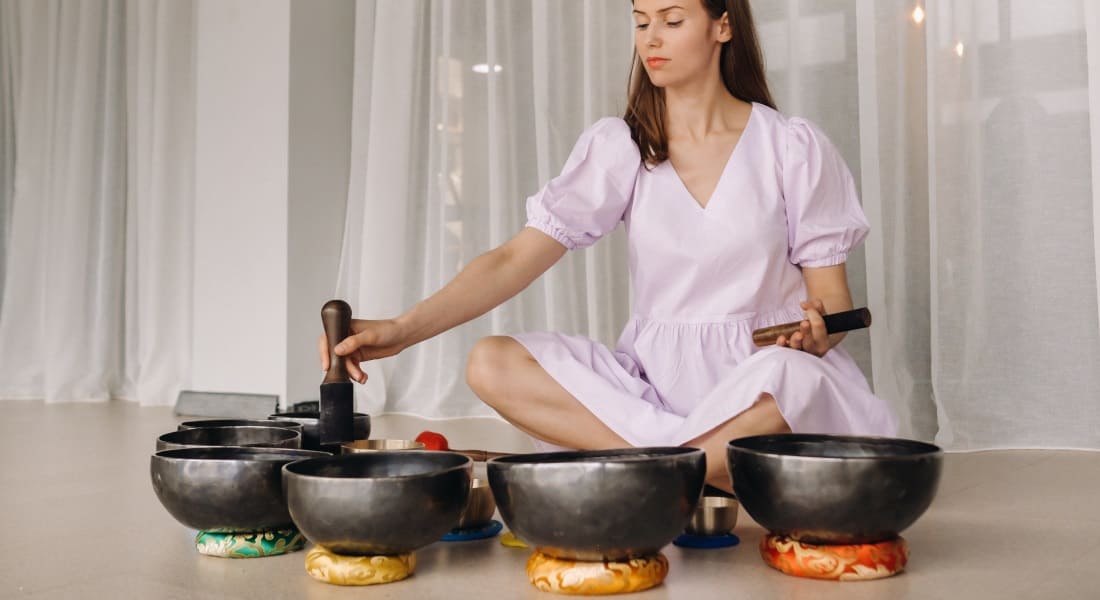
What is the composition of a Tibetan metal singing bowl?
Traditionally, singing bowls are made from an alloy of seven metals: iron, silver, gold, copper, tin, mercury, and lead. However, you may also encounter Tibetan bowls crafted from fewer or more metals. Some instruments contain just 2 or 3 metals, while others feature 13. Because each metal demands specific care, cleaning a Tibetan bowl can be complicated.
Fortunately, metallurgical analyses carried out on metal bowls have shown that they’re actually made up of more than 99% copper and tin, with the other metals present (when they’re present at all) only in tiny amounts. We cover this topic in detail in our article on the composition of Tibetan bowls. Therefore, to properly clean a metal singing bowl, it makes sense to follow the recommendations for cleaning a copper-and-tin alloy, more commonly known as bronze.
What are the methods for cleaning the instrument?
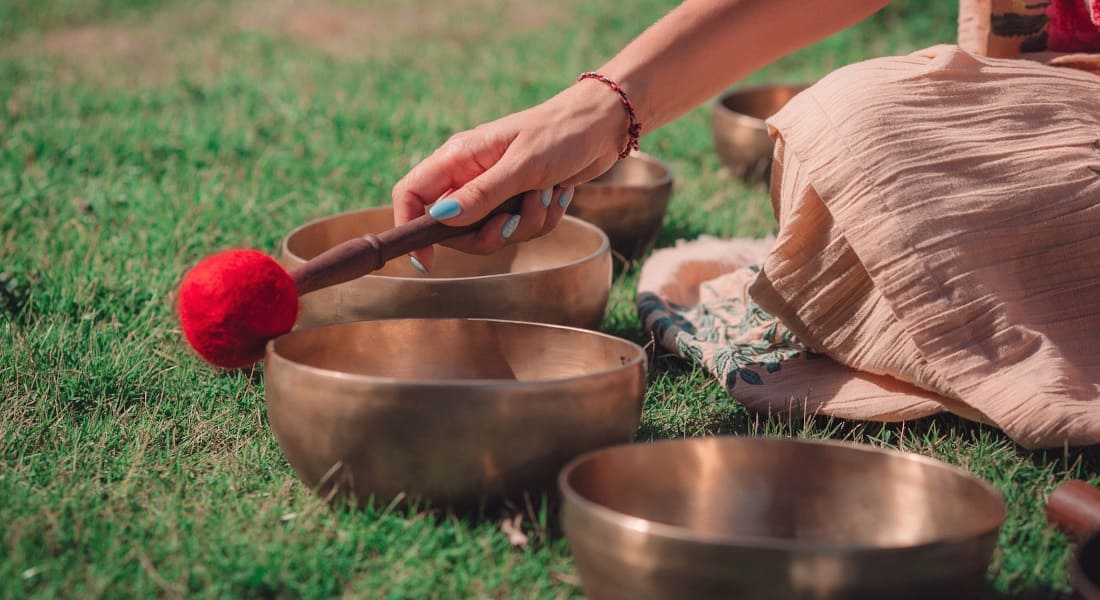
To clean a metal Tibetan bowl, start by removing dust and other residue with a soft cloth. For any marks that won’t come off, wash the bowl with hot water and a natural soap such as black soap or Marseille soap. Be careful, however: you must dry the instrument after washing, because metal doesn’t handle moisture well and could rust. To do this, you can use a towel or even a hair dryer.
If there are still marks that won’t come off, or if you notice verdigris, a type of metal corrosion, on the surface of the singing bowl, you’ll need to use slightly stronger solutions to remove the buildup. If you want to stick with natural products, you can use lemon juice or white vinegar, rubbing the Tibetan bowl with a toothbrush. For stubborn stains, you can immerse the singing bowl completely in a 50/50 mixture of hot water and white vinegar for 12 hours. Then rinse with clean water and dry the instrument.

If this isn’t effective, dilute a few drops of ammonia in a bowl of warm water and rub the mixture onto the instrument with a clean cloth. You can also use the same technique with soda crystals. In this case, add one tablespoon of soda crystals to 1 quart (1 liter) of warm water. As with white vinegar, you can also immerse the Tibetan bowl in a water/ammonia or water/soda-crystal mixture for 12 hours to let it work. Finally, if nothing has worked, you can try mineral spirits or denatured alcohol and rub the metal with a clean cloth. Be sure to rinse, then wipe dry once you’re done.
If there is still no improvement, your only option is to use specialized bronze cleaning products, which you can find in hardware stores. However, these products may damage any engravings on your Tibetan bowl.
How do you make a Tibetan bowl shine?
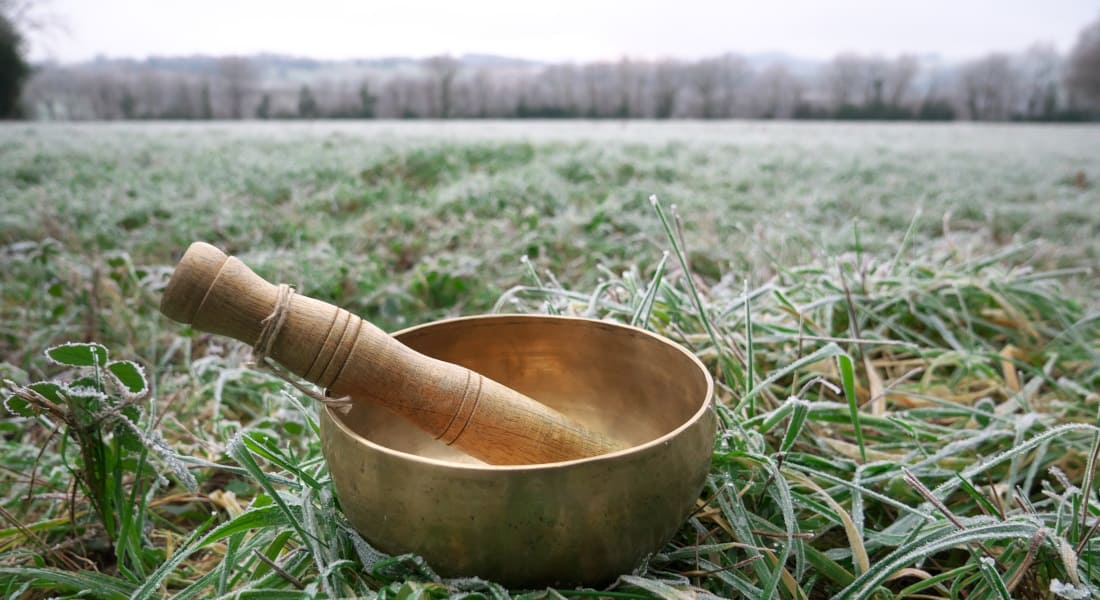
Bronze, which makes up almost all of the metal in a Tibetan bowl, tends to darken over time due to exposure to air and ambient humidity. To maintain its original shine, it’s important to protect the instrument. After each use, rub it with a dry cloth to remove fingerprints, which are really just sweat and therefore mostly water. This simple habit helps prevent corrosion from forming on the alloy.
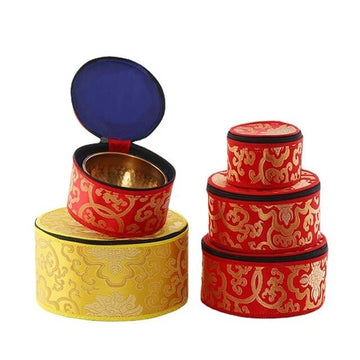
It’s also wise to shield the bronze from the elements whenever possible. Humidity and rain can be especially harmful, but even prolonged exposure to sunlight should be avoided. You can leave the object outside for several hours without any problem. However, placing a Tibetan bowl, even indoors, on a piece of furniture that’s exposed to direct sunlight for months on end isn’t recommended. Over time, UV rays can cause faster aging and even discoloration only on the exposed part of the instrument, which isn’t very visually appealing. Therefore, storing the singing bowl in a padded cover after use is an excellent idea.

Finally, while beeswax is known for making wood shine, it’s also exceptional for bronze. It revives the metal’s luster and forms a protective layer for your Tibetan bowl. Use a chamois cloth, add a little beeswax, then rub it in—you’ll notice the difference right away. Just remember to clean the singing bowl before applying this treatment, since beeswax isn’t a detergent.
What should you do if there are traces of rust or scratches on your singing bowl?
If you’ve reached the point where rust—or even scratches—has appeared on the surface of your Asian musical instrument, and the cleaning methods described below haven’t worked, the only option left is to use sandpaper, hoping the rust isn’t too embedded and the scratches aren’t too deep. Depending on the extent of the damage, use medium to extra-fine grit sandpaper and rub until you achieve a satisfactory result. Start with a medium grit to remove most of the damage, then gradually move to finer grits for a cleaner finish.

How to wash and preserve a Tibetan crystal singing bowl?
There are also singing bowls made of quartz or rock crystal. These require much less maintenance and cleaning than their metal counterparts.
How do you scrub quartz crystal from a musical instrument?
Quartz crystal is actually composed of 99.9% silica, which is a much more forgiving material than metal. The biggest challenge with crystal Tibetan bowls is that they’re often white or transparent, so they show dirt more easily than a bronze instrument with a brown tint.
To clean a crystal bowl properly, simply use hot water with dishwashing liquid or soap and scrub the instrument with a soft-bristled brush, such as the kind used to clean dishes. This will remove most of the buildup from the crystal. For stubborn stains, do the same thing but spray on undiluted glass cleaner instead. Rinse immediately after the stain lifts, as this type of detergent is fairly harsh.
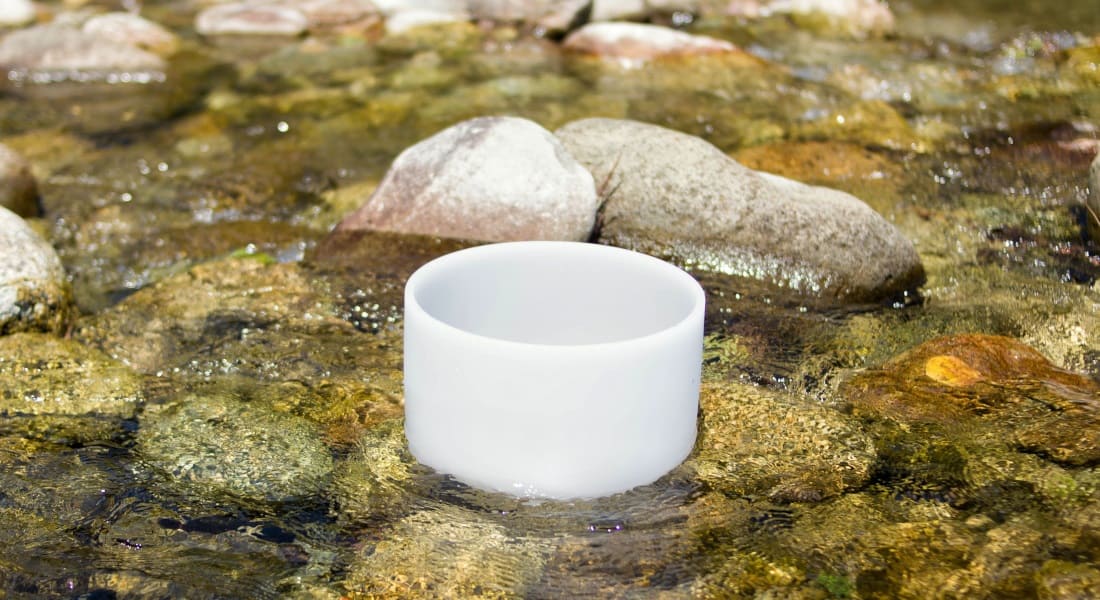
However, it is strongly advised not to put your singing bowl in the dishwasher. The temperature in a dishwasher can easily reach 176°F (80°C), and the thermal shock could crack the instrument—which would be disastrous. I’ve also personally seen someone accidentally leave a trace of nail polish on the crystal while using their Tibetan bowl. If none of the solutions above work, you can try nail polish remover, but it may also alter the color if your instrument is tinted.
Tips for maintaining the shine of your crystal singing bowl
To keep your crystal singing bowl looking its best, simply wipe it down with a soft cloth after each use. This removes fingerprints and helps the instrument retain its brilliant shine for a long time.

Protect your Tibetan singing bowl with a cover
Tibetan singing bowls are delicate objects that can sometimes be very expensive. That’s why it’s important to take special care of them so they last by cleaning them regularly. Periodic maintenance is also a good idea. Now you know how to wash all types of singing bowls without damaging your instrument by using a detergent that’s too strong and not suited to this kind of object.
While you may be tempted to display your singing bowl in your living room because it’s so beautiful, it’s even better to place it in a cover after each use to protect it from dust, light, and accidental impacts. That way, deep cleaning and maintenance will be needed far less often. The Instruments du Monde store recommends covers specially designed for storing Tibetan bowls, with a choice of ten different diameters to best suit your instrument.
Preserve your singing bowl and purchase a cover now by clicking on the image below:
Did you know it’s possible to make a liquid placed inside a Tibetan singing bowl ripple just from the vibrations produced when you make the bowl sing? This can be used to purify water or even change the musical note being played. Learn everything there is to know about the relationship between Tibetan bowls and water by reading our other comprehensive article on the subject. Not interested in that capability? Then check out this detailed tutorial that covers all aspects of singing bowls. You’ll learn everything you need to know.


