



Written by Ambre Montespan on Mar 25, 2024 · Updated on Sep 26, 2026

Table of contents:
Do you own a Tibetan singing bowl that has unfortunately been damaged? Are you wondering whether it can be repaired without compromising its original beauty and tone? Is it possible to restore a broken or cracked Tibetan singing bowl?
Having been involved in the world of Tibetan singing bowls for over 10 years, I’ve seen plenty of repair attempts on these instruments, whether they’re made from a metal alloy or quartz crystal. In this article, I’ll share practical tips you can use to try to bring your singing bowl back to life.
It is possible to repair a broken Tibetan singing bowl if it only has very slight cracks or hairline fractures. However, if the damage is more severe, repair won’t be possible.
By reading this article in its entirety, you will discover:
- The most common causes of damage to Tibetan bowls
- Tips for assessing the extent of damage to this musical instrument
- Reasons why you should try to repair a Tibetan bowl
- The steps for repairing a crystal or metal singing bowl yourself
After reading this article, you’ll know everything you need to know about repairing broken or cracked Tibetan bowls. Even better, you’ll also understand how to approach restoring this Asian percussion instrument.
Now, let’s take a closer look at how to bring back your Tibetan bowl’s beautiful tone.
What are the most common causes of Tibetan bowl breakage and how can they be avoided?
Tibetan bowls, known for their soothing sound and meditative properties, can sometimes crack or break. There are several reasons for these common incidents. First, the material itself can be fragile. They’re generally made from an alloy of seven metals and can be sensitive to impacts. Rough handling or an accidental drop can cause cracks or even a clean break. Quartz crystal bowls, which are heavier and more fragile, are especially vulnerable to impacts.
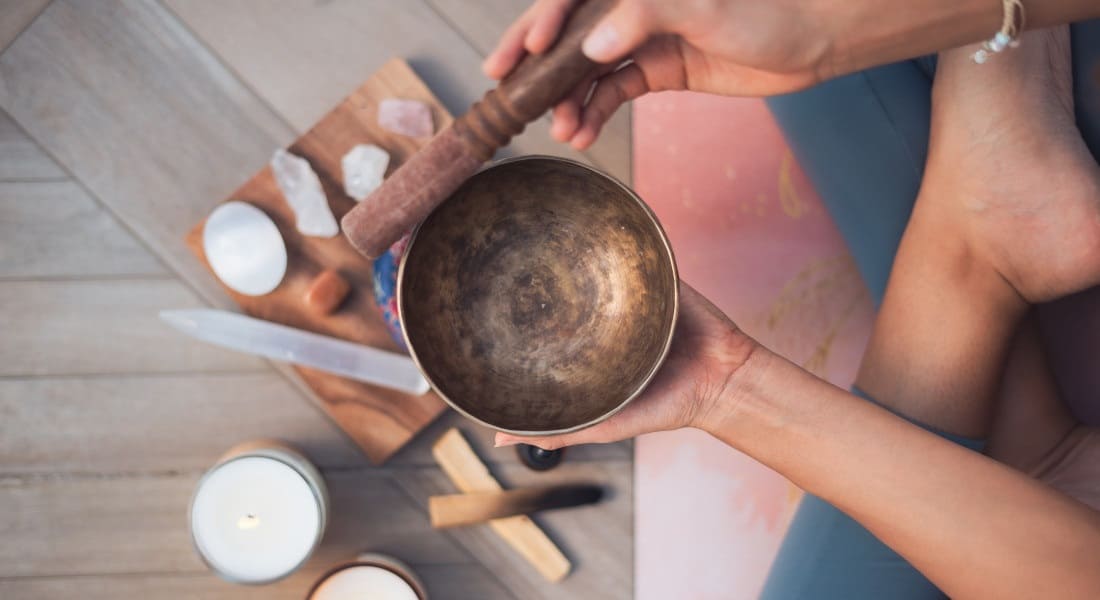
Another factor to consider is temperature variation. Tibetan singing bowls are often played by rubbing the rim with a mallet, which can warm the bowl through friction. A rapid shift in temperature—such as moving from a warm space to a cold one—can create stress in the material and potentially cause cracking. In addition, the quality of manufacture plays a crucial role. Handcrafted Tibetan bowls may have slight irregularities in their composition, which can make them more prone to damage. Lower-quality bowls, made with less durable metal blends, can also be more likely to break under vibration.
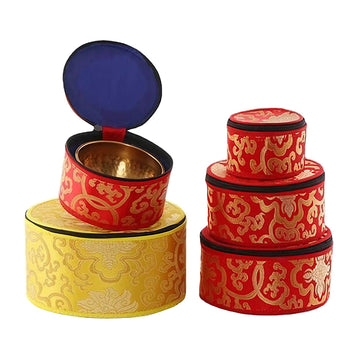
Finally, heavy use can contribute to wear and tear, making your Tibetan bowl more vulnerable to cracks. Regular sound meditation practitioners may unintentionally apply too much pressure when rubbing or striking the rim with the mallet. The best advice I can give you is to invest in a singing bowl cover; this accessory protects your instrument from impacts and sudden temperature changes. By choosing a high-quality Tibetan bowl and using it responsibly, you’ll greatly reduce the risk of breakage and help it last for years.
How can you assess the extent of damage to a cracked singing bowl?
Assessing the extent of damage to a broken Tibetan bowl may seem tricky, but a few simple steps can guide you through the process. First, carefully examine the damaged area of the bowl. Look for hairline cracks, missing pieces, or a clean break. This initial check will give you a clearer sense of how serious the damage is. Next, try to determine whether the crack mainly affects the outside of the Tibetan bowl or whether it also extends to the inside. An external crack may be less harmful to the sound, while an internal crack can significantly affect the tone your Tibetan bowl produces.
If you find that the damage is significant, such as a clean break, multiple cracks, or a piece of the singing bowl is missing, it will not be possible to repair it. You could always try to weld it back together, but from experience, I don’t recommend it. While welding can roughly restore the bowl’s shape, the sound will be heavily altered. In that case, you’ll save time and frustration by replacing the instrument. So, whether your Tibetan bowl is made of metal or crystal, repair is only worth considering when the damage is minor.
Why restore a broken Tibetan singing bowl?
There are several valid reasons for repairing a broken singing bowl. Here are a few reasons that might encourage you to do so:
- Restore the sound : depending on their severity, cracks in the instrument can distort the tones it produces. You may start hearing unpleasant noises or distortions that make it harder to fully relax.
- Prevent further damage : cracks are weak points. If you keep using your Tibetan singing bowl without addressing them, vibrations may worsen the fractures or even lead to a complete break, which would be irreversible.
- Preserve sentimental value : some singing bowls carry deep sentimental meaning, tied to personal experiences, special gifts, or powerful meditation moments. Repair helps preserve that emotional bond and lets you keep enjoying your unique connection with the bowl.
- Save money on buying a new bowl : buying a new Tibetan bowl can sometimes be a significant expense . Repair can be a more budget-friendly option that allows you to keep a cherished object without paying for a full replacement.
Overall, restoring a broken singing bowl goes beyond simple material repair. It’s a way to preserve the beauty, meaning, and value of the instrument while offering a rewarding experience for anyone who takes on the restoration process.
How can you repair a damaged Tibetan bowl yourself?
It’s important to note that Tibetan bowls are often made from specific metals and delicate alloys. Improper handling or the use of incorrect repair techniques can aggravate the damage rather than resolve it. Risks include changing the bowl’s tone, reducing its aesthetic value, or even causing a larger break. Another aspect to consider is safety: if the repair isn’t done properly, pieces of the singing bowl could come loose during use, creating an injury risk.
It’s best to cover metal Tibetan bowl repairs first before moving on to quartz crystal (rock crystal) bowls. Bear in mind that a cracked crystal singing bowl is much harder to save than a metal one.

How to repair a Tibetan metal alloy singing bowl
This repair involves several steps:
- Prepare the singing bowl and the crack : use a file to slightly widen the crack. This creates an inverted "V" or "U" groove along the fracture so the filler material can bond better. Then clean the area around the crack with a wire brush or sandpaper to remove any rust, paint, or dirt.
- Heating : heat the bowl around the crack with a blowtorch or soldering iron, without melting the base metal.
- Welding : use a torch or welding setup to fill the crack with filler material, starting at one end and working toward the other. Make sure the filler fully fuses with the base metal. Ideally, the filler would match your bowl’s alloy, but that’s often not possible. I recommend using tin or bronze (a blend of tin and copper). Avoid zinc, which isn’t part of the traditional seven-metal composition.
- Finishing : after welding, let the Tibetan bowl cool slowly to reduce stress. Then smooth the repaired area with a file so the surface is even.
From a safety perspective, always wear appropriate personal protective equipment when welding, including a welding mask, protective gloves, and long sleeves to protect your skin. Practice and patience are essential to achieving repairs that are both durable and visually clean.
How to restore a quartz crystal singing bowl?
The key is to seal the crack(s) with epoxy resin or Super Glue. Since quartz has a melting point of about 2,912°F (1,600°C), you’ll need to use alternative materials.
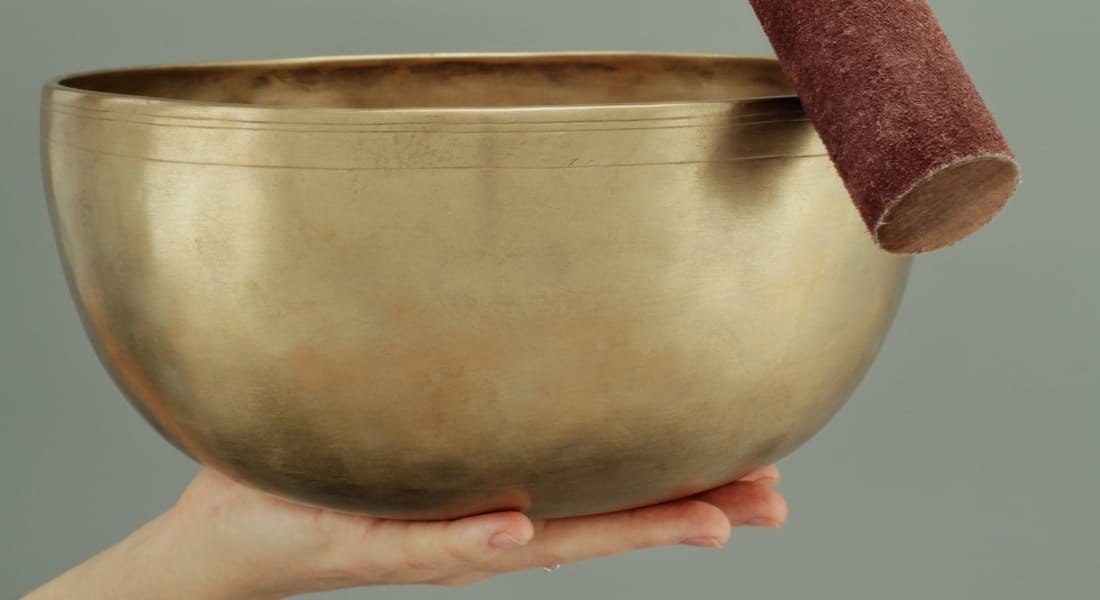
- Prepare the singing bowl and the crack : clean the area around the crack with a cloth or dish soap to remove any dirt.
- Applying the epoxy or superglue: apply the epoxy or superglue once the surface of the Tibetan bowl is ready. Carefully follow the instructions to mix and apply the material correctly, and wear protective gloves.
- Sanding the surface: once the replacement material has cured, use a file to remove any excess and smooth the surface of the Tibetan singing bowl. You can also use a Dremel-type tool to polish the instrument more effectively.
- Final cleaning: clean your singing bowl thoroughly, and that’s it—it’s ready to use again!
If the damage is too severe, consider upgrading to a new, high-quality instrument
Discovering damage to your musical instrument is never pleasant. Repairing a broken Tibetan bowl can be a perfectly viable option, as long as the visible cracks are minor. With the help of the information you’ve gained from this article, you’re now equipped to fix minor cracks in your Tibetan singing bowl.
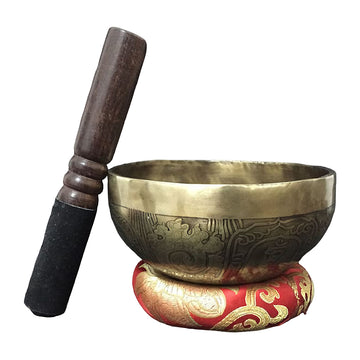
However, it’s important to recognize that some damage may be too extensive to repair. In addition, the bowl’s tone can be affected by the work you do, which is never ideal. Therefore, if your singing bowl can’t be restored, I recommend purchasing a new model from the Instruments du Monde online store. It offers a range of high-quality Tibetan bowls that help reduce the risk of breakage. For example, this stunning handmade seven-metal bowl with its mesmerizing tones can stay with you for many years.
Explore the benefits of this Tibetan bowl now by clicking on the image below:
The Tibetan bowl is a highly versatile musical instrument. In addition to using it for relaxation, yoga, and meditation, you can also use the singing bowl in reiki, a Japanese energy healing technique based on hands-on (or hands-near) practice. And that’s not all—I also recommend reading my general article on Tibetan singing bowls to learn absolutely everything about this mystical sound instrument.


