



Written by Ambre Montespan on Mar 14, 2023 · Updated on Oct 15, 2026

Table of contents:
Have you never seriously played a musical instrument and don’t really know the complex symbols of music theory? Are you wondering if the kalimba is within your reach? Is this small percussion instrument of African origin really easy to play or not?
Having advised and coached more than 100 kalimba beginners since mastering this exotic instrument—also known as the mbira, sanza, or thumb piano—I can confidently answer your question with a resounding yes. More importantly, I’ll walk you through, point by point, why the kalimba is accessible to everyone with clear, practical reasons.
The kalimba is one of the easiest musical instruments to play. Its design, size, sheet music, price, and included accessories have all been thought out to keep it as beginner-friendly as possible, even for young players.
As you read through these few lines, you’ll understand why the kalimba is so easy to learn thanks to:
- Its unique design
- Sheet music that’s been simplified as much as possible
- Its compact size
- Its very affordable price
- Accessories designed to help beginners
You’ll quickly see why this instrument is so easy to learn, and you can even use these points to convince a friend to join you in the wonderful world of the kalimba.
Let’s start by looking at all the reasons why playing the kalimba is easy.

Not being able to hit a “wrong” note makes the kalimba a joy to play
First of all, the kalimba is easy to use thanks to its design. This instrument consists of a body (usually wood) with several steel tines mounted on top. Pressing and releasing one of these metal tines produces a note—and it will always be that same note as long as your kalimba stays tuned.
So every time you pluck the same tine, you’ll get the same musical note. Unlike more traditional instruments, such as the guitar or violin, where you can easily hit a sour note if your fingers aren’t placed correctly, with the kalimba everything is simple: one tine corresponds to one note, so there’s no risk of producing something unpleasant to the ear.
That’s why any beginner can learn to play a simple melody on the thumb piano in just a few minutes. For example, take a look at the video below of a 6-year-old who’s only been playing kalimba for a few days in a music class:
Finally, you may have noticed that a kalimba can sometimes go out of tune. This happens quite rarely, and even when it does, anyone can tune the instrument. There’s no need to pay a professional to do it. All you need to do is follow a simple and easy procedure, which you can find for free in our guide to tuning a kalimba. That way, you’ll be sure to play in tune on your thumb piano—an important detail that makes learning much easier.
Accessories designed to make practice easy
Another great thing about the kalimba is that even the accessories it often comes with are meant to make playing even easier. These accessories include stickers, songbooks, instruction booklets, and thumb protectors.
Stickers to make learning the kalimba easier
Inside the case containing your musical instrument, you’ll often find sheets of stickers. These can come in different colours and may feature markings such as numbers or letters.
They attach to the steel tines of your kalimba and serve as visual markers to help you quickly identify each note. Want to know where to press to play a C or an F? No problem—just pluck the tine with the matching sticker. It’s virtually impossible to make a mistake with this system. Note that some kalimbas also have tines engraved with the corresponding musical notes.
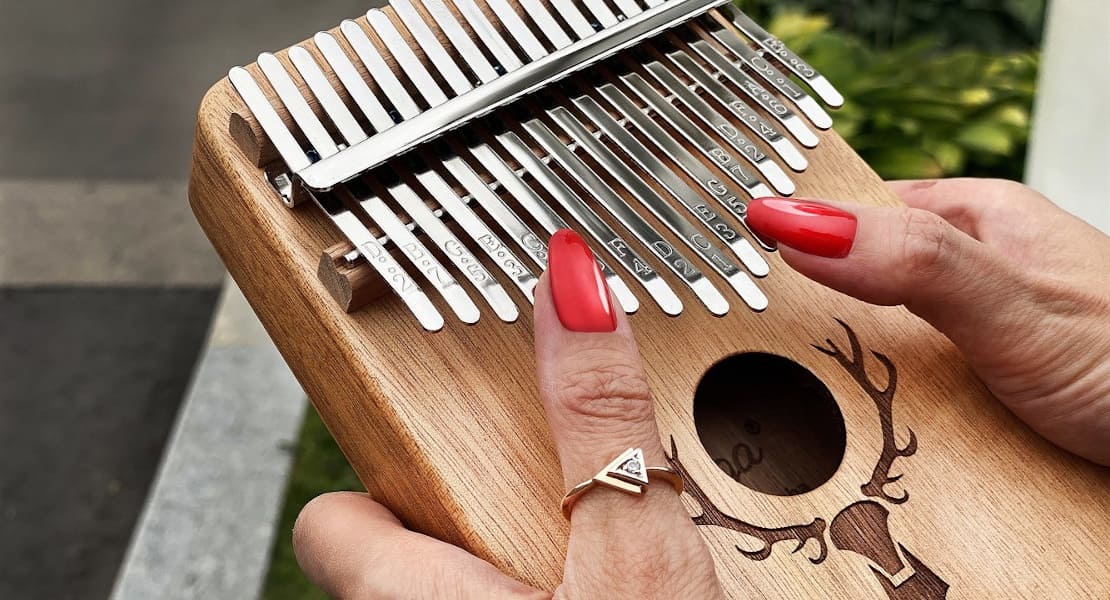
And to top it all off, so you don’t second-guess yourself while applying them, we’ve created another article explaining how to apply stickers to the kalimba. You’ll learn how and where to place them to speed up your learning on the mbira.
The instruction booklet for easily mastering the musical instrument
Your finger piano will usually come with a booklet that explains the basics in just a few pages. You’ll get advice on storage and maintenance to keep your instrument in excellent condition. In addition, you’ll sometimes find tutorials explaining basic techniques such as glissando or rhythmic effects such as wah-wah and vibrato.
In short, you won’t be left to your own devices for your first musical experience with the kalimba, making it even easier to enjoy.
Thumb guards to help finger piano players
If you’ve ever watched a kalimba player, you’ll notice that they often have long fingernails. This is because it’s easier to play this instrument using your fingernails rather than your fingertips to produce clear notes.
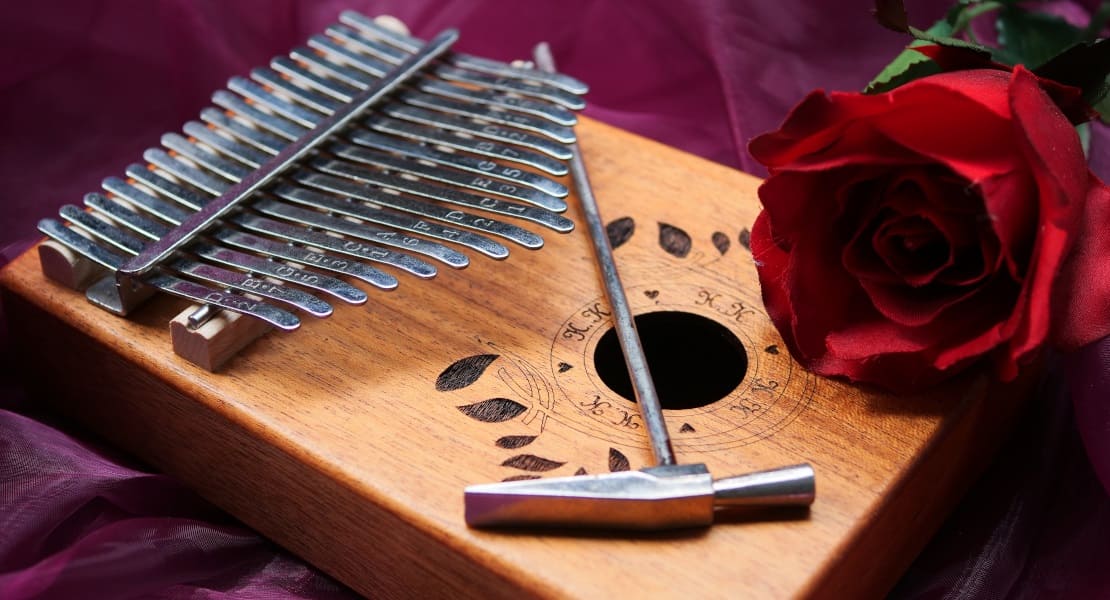
But if you have rather short nails, the kalimba is still within your reach. It’s totally possible to play it well using just the pads of your thumbs. That said, some models come with small, flexible plastic caps that you can slip your thumbs into, a bit like socks for your feet. These caps are actually thumb protectors: they help compensate for the lack of nails and protect your thumbs from irritation that can happen during long practice sessions.
This handy accessory makes life easier for every kalimba player.
Play the thumb piano with ease using the included sheet-music booklet
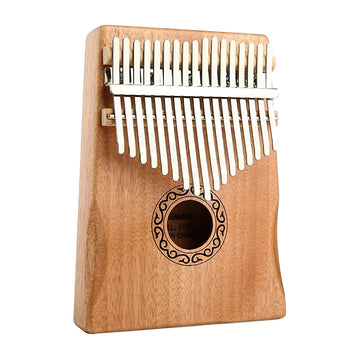
Kalimbas usually come with a small book containing a few beginner-friendly pieces. This lets players start learning the instrument smoothly and keeps them from getting lost online searching for songs that are still too difficult.
It’s true that the phrase “sheet music” can feel intimidating, as it’s often associated with complexity for beginners who don’t know how to read it. But kalimba sheet music is different—and much more approachable than you might think. There’s no treble clef and no staff. Let’s take a closer look at it right now.
Play simple sheet music effortlessly on your finger piano
When people hear the word “sheet music,” they usually think—and rightly so—of those parallel black lines on a white background, filled with complex symbols from music theory. You absolutely can play that kind of notation on a kalimba, but the vast majority of melodies you’ll find online have been simplified specifically for this instrument. Here’s what that looks like:
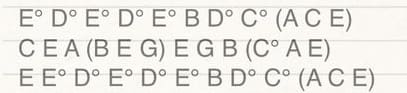
It’s a series of letters you read from left to right and top to bottom, just like a book. The idea is simple: each letter corresponds to a note and, therefore, to a specific tine on your kalimba. Just play them in the order shown and you’ll get the melody you’re after.
But how do you know which tines match the letters? It’s very easy: that’s exactly what the stickers we mentioned earlier are for. Once you apply them, each tine will have a letter and/or number. Just find the tine that matches the letter you want to play. Parentheses mean you should play the tines inside them at the same time. And if you’d like more detail, we’ve created a tutorial on how to read kalimba sheet music. Sheet music won’t feel mysterious anymore, and you’ll be able to play the songs you love.
Finally, we know it can be hard to find good sheet music online. That’s why we’ve created a section specifically for kalimba sheet music. These resources are completely free and will let you have a great time with your sanza, playing famous tunes such as the theme from the series “Game of Thrones,” the melody from Pirates of the Caribbean, or “Over the Rainbow” by singer IZ.
The small size of the mbira is a big advantage
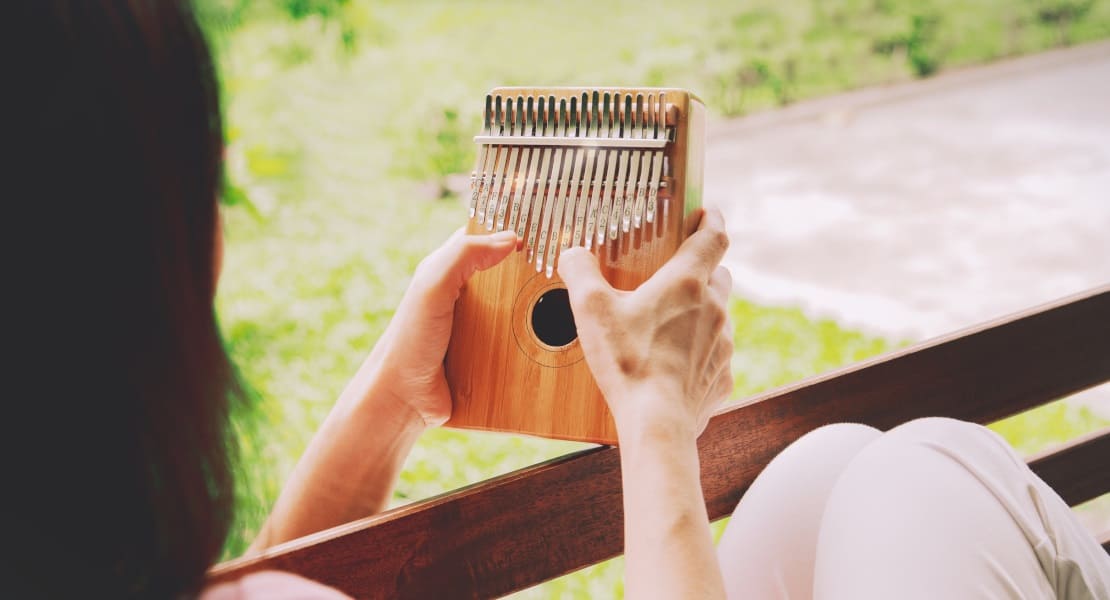
Another compelling argument for the ease of playing the kalimba is its compact size and light weight. As you’ve seen, it’s an instrument that’s only several cm (a few in) long and easy to carry around, even when it has a resonant body.
Want to play the kalimba on a walk in the woods? Just pop it in a bag and you’re good to go. Now imagine, on the other hand, that you owned an electric guitar, a cello, or a classical piano. You can’t really play those without planning, extra gear, and enough space at home. With the kalimba, you can take it anywhere, enjoy it for a few minutes, an hour, or more, and it’s never a hassle—you just pull it out of its case and start playing.
All of this makes it that much easier to practise and enjoy your kalimba.
The thumb piano is an affordable instrument
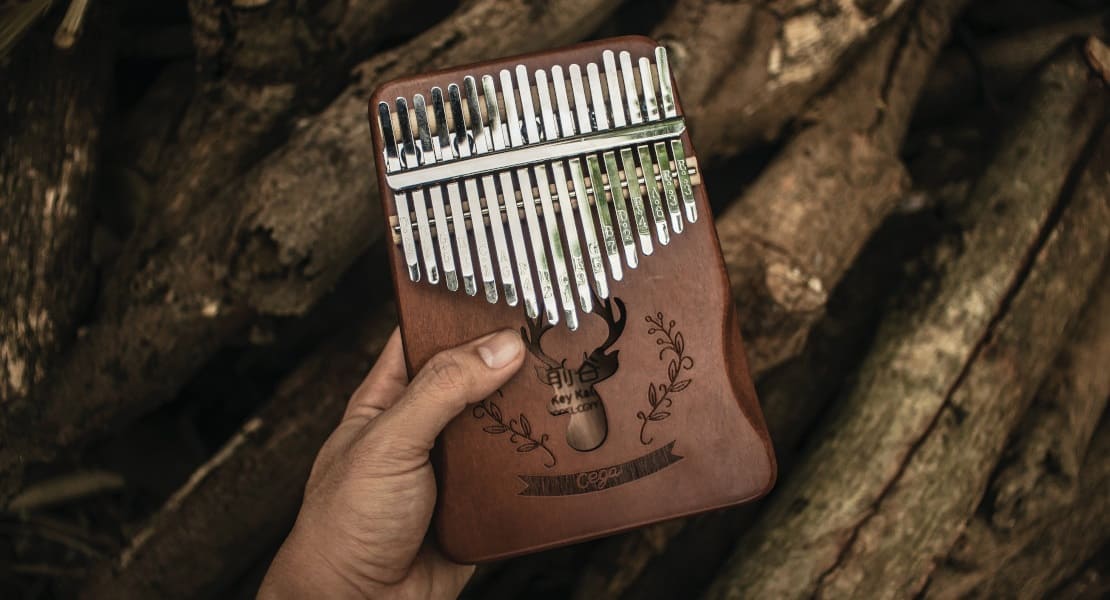
Last but not least, another positive aspect of the kalimba is its price. Let’s get straight to the point: for around £25 or £35, you can find dozens of great kalimbas on the market, with so many different designs that you’re bound to find one you love. And as a bonus, the accessories mentioned above are often included.
Compared to the prices of other musical instruments, playing the kalimba is truly budget-friendly. Some thumb pianos sell for over £85, but they’re usually made from premium woods or designed for experienced players who want a higher-end African instrument.
So even on a tight budget, the kalimba is an affordable instrument to buy for yourself or to give as a gift. To compare each budget range, check out my guide to kalimba prices.

A trap to avoid so you can play the sanza with confidence
One cautionary note to keep your experience enjoyable: although the kalimba is easy to play, you may come across models with a very high number of tines, such as 34 or even 42.
If you’ve never played a kalimba before, we strongly advise against starting with one of those. Too many tines can quickly become frustrating, because the difficulty jumps significantly. For adult beginners, a 17-tine kalimba is recommended—or 21 tines if you already have experience with another instrument. Children and teenagers can enjoy the kalimba as well, but be sure to read our article “At what age can you start learning the kalimba?” to choose an instrument that matches their age.
Learn to play the kalimba with ease
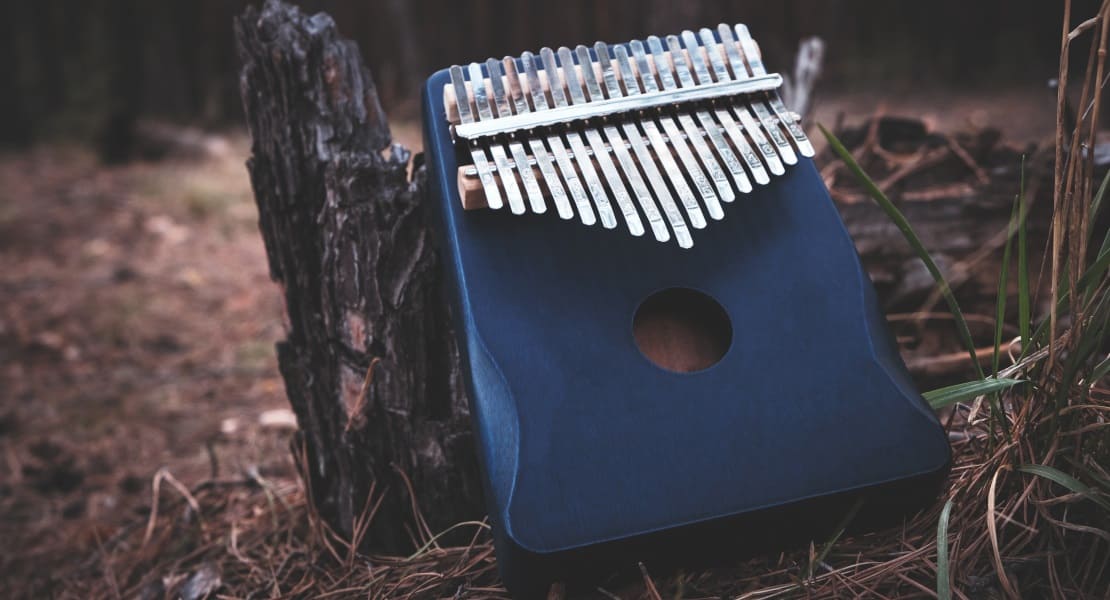
You now know all the reasons why the kalimba is definitely an easy-to-play musical instrument. Its design, size, accessories, and sheet music have all been developed to make the thumb piano simple and accessible to everyone, from children to older adults. Being able to play songs with no music background is a real joy—and it leads to some wonderful moments of musical discovery.
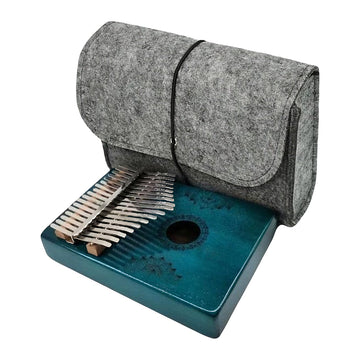
However, it can be hard to choose a kalimba from the many options available online. It would be disappointing to end up with a low-quality instrument or one that doesn’t fit your needs as a beginner. To help future players get started the right way, the Instruments du Monde store offers a kalimba specifically designed for beginners, with all the useful accessories and at an attractive price.
Get your kalimba now by clicking on the image below:
Now that you’re convinced the kalimba is an easy instrument to learn, do you know how to choose your very first thumb piano? Don’t make the wrong choice—or you might regret it. To make things easier, check out our guide explaining which kalimba to choose when starting out. You’ll be sure to pick the instrument that truly fits your situation. You may also be interested in this guide that covers all aspects of the kalimba.


