



Written by Ambre Montespan - Updated on Jun 12, 2026
Table of contents:
The piano remains one of the most fascinating and versatile instruments in the world of music. Whether you’re a beginner working on your first scales or an experienced musician searching for the perfect instrument, choosing the right type of piano for your needs is a crucial step. Between traditional acoustic models, newer digital innovations, and hybrid solutions, today’s piano landscape offers remarkable variety.
That said, this wealth of options can feel overwhelming at first. Each piano family has its own characteristics, advantages, and trade-offs, whether in terms of footprint, budget, sound quality, or maintenance. Understanding these differences will help you make an informed choice that truly fits your level, musical goals, and living situation.
In this detailed guide, we’ll explore the main categories of pianos available on the market, their technical and practical specifics, and the essential criteria to help you choose the instrument that will support you throughout your musical journey.
Traditional acoustic pianos: authenticity above all else
Upright pianos: the perfect balance
The upright piano remains a go-to choice for many homes and music schools. Its vertical design saves space while preserving the instrument’s core acoustic qualities. With strings running vertically behind the keyboard, you get a genuine piano action and natural resonance.
Upright pianos vary widely in size, from compact models around 42.5 in (108 cm) tall to larger studio uprights reaching about 55 in (140 cm). This range directly affects harmonic richness and low-end depth. Taller models typically have longer bass strings, which helps produce a warmer, more powerful sound.
The upright piano’s biggest advantage is its excellent value-to-footprint ratio. It fits well in urban apartments while still delivering a playing experience that can feel surprisingly close to much larger instruments. Major brands such as Yamaha, Kawai, and Schimmel offer extensive lineups, from reliable student pianos to premium uprights built for expressive playing.
Grand pianos: prestige and performance
The grand piano represents the pinnacle of piano craftsmanship. Its horizontal design lets the strings reach their ideal length, delivering exceptional sound projection and an unmatched dynamic range. The repetition action, more direct than on an upright, supports more nuanced, precise, and expressive playing.
Sizes range from baby grands around 5 ft (150 cm) to concert grands over 8 ft 10 in (270 cm). Each size suits different uses: baby grands for home settings, larger grands for smaller venues, and concert grands for top-tier performance halls. This variety makes it possible to match the instrument to your space without compromising musical quality.
Choosing a grand piano is a significant investment, both financially and in terms of space, and it also requires regular maintenance from qualified technicians. Still, for demanding pianists, few instruments can rival its responsiveness and expressive depth.
Technological innovations: where tradition meets modernity
Digital pianos: versatility and practicality
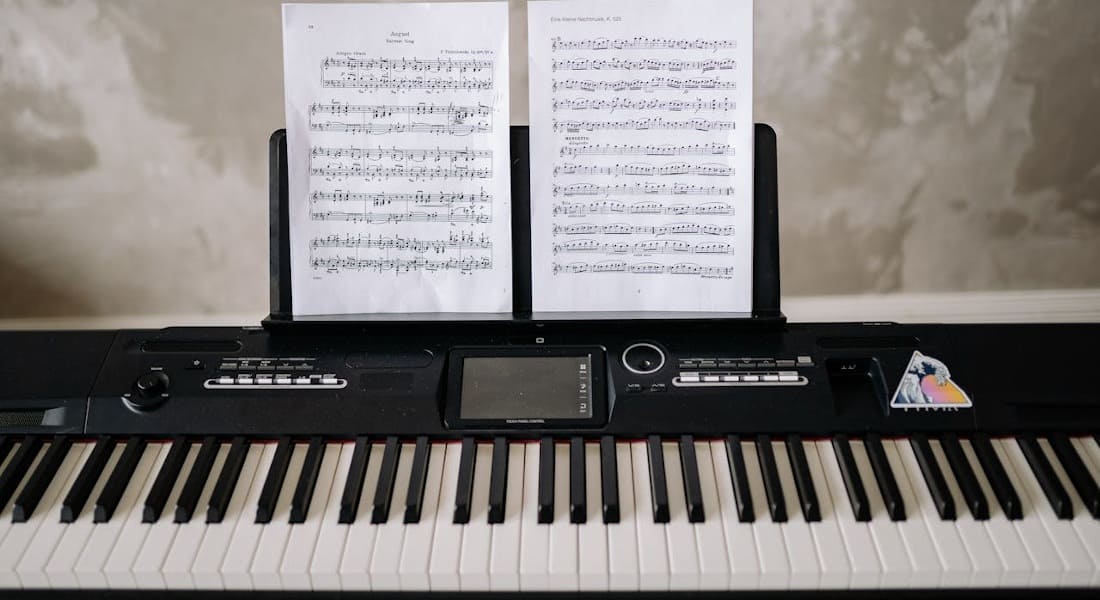
Technology has reshaped the way many people approach the piano with digital instruments. These pianos can convincingly reproduce the touch and sound of an acoustic piano thanks to high-definition sampling and sophisticated key actions. The best models include weighted hammers and simulated escapement that closely mimic the resistance and feel of a traditional piano.
The practical benefits are hard to beat: no tuning required, adjustable volume, headphones for quiet practice, built-in recording, and often a wide range of sounds including organs, harpsichords, and synthesizers. These features make digital pianos especially appealing for beginners and multi-genre musicians.
Digital piano quality varies dramatically by tier. Entry-level models provide an accessible starting point, while premium instruments can compete with acoustic pianos in realism and expressiveness. Some professional models even feature physical resonance systems that recreate sympathetic string vibrations.
Silent and hybrid pianos: the best of both worlds
Silent pianos are a remarkable innovation, combining the authenticity of an acoustic piano with the flexibility of digital technology. These instruments use a mechanism that stops the hammers from striking the strings and instead routes the motion to electronic sensors. This lets the pianist switch instantly between acoustic playing and silent headphone practice.
This technology is especially valuable in cities, where neighbors and building acoustics can limit practice hours. It also enables digital recording while keeping the authentic feel of a real piano. If you’re shopping for this kind of specialized instrument, it can be helpful to consult dedicated experts such as justeunpiano, who know these systems inside and out and can guide you toward models that match your specific needs.
Hybrid pianos take this concept even further, sometimes incorporating real strings for certain registers while relying on digital sampling for others. The result is a distinctive playing experience that blends natural resonance with advanced technological possibilities.
New versus used: optimizing your investment
The advantages of a used piano
Buying a used piano can offer clear financial advantages, especially when you’re looking at higher-quality instruments. A well-maintained piano can retain its musical qualities for decades, and exceptional instruments can last a century or more. That longevity makes the used market an attractive way to access prestigious brands at a lower price point.
Some used pianos, particularly those from the 1960s through the 1980s, are especially sought after for their distinctive tonal character. Shifts in manufacturing methods and materials have given each era its own feel and sound. A Yamaha U1 from the 1980s, for example, often has a different personality than a newer U1.
However, buying used does require technical expertise to evaluate the instrument’s true condition. The state of the action, the strings, tuning stability, and the soundboard are all crucial factors that affect value and long-term performance.
New piano warranties
A new piano offers peace of mind: an instrument in optimal condition, usually backed by manufacturer warranties and after-sales support. The latest models also benefit from recent innovations in materials and design, which can sometimes bring meaningful improvements over earlier generations.
Investing in a new piano often includes extra services such as delivery, setup, a first tuning, and ongoing technical support. These services make it much easier to bring the instrument into your home and keep it performing well. Plus, a properly maintained new piano can hold its resale value for many years.
How to choose the ideal piano for your needs
Assess the space and environment
Space is often the first filter when choosing a piano. A ~540 sq ft (50 m²) apartment in Paris won’t comfortably accommodate a grand piano that’s about 6 ft 7 in (200 cm) long, but it can absolutely suit a compact upright piano or a high-quality digital piano. You’ll also want to think about sound constraints: an acoustic piano in an older building with thin walls can create issues with neighbors.
Where you place the instrument matters, too. A piano near a heat source or in a damp room will require more frequent maintenance. Digital pianos are generally less sensitive to climate fluctuations, which can make them a practical option in certain environments.
Adapting the instrument to your level and goals
Your current playing level and future ambitions will strongly influence your decision. A beginner can absolutely start on a high-quality digital piano, which offers comfortable learning without ongoing maintenance. However, as you develop more advanced technique, spending time on an acoustic piano gradually becomes increasingly important.
Experienced pianists generally look for the refined touch and harmonic richness of a quality acoustic instrument. Expressive nuance, how the keyboard responds to changes in speed and pressure, and natural resonance are all key elements for high-level musical growth.
Budget and financial considerations
Your budget will largely determine what’s within reach. A solid student upright typically starts around $3,000 new, while a quality grand piano can run into the tens of thousands. Digital pianos span a much wider range, from beginner models at a few hundred dollars to professional instruments priced above $10,000.
Be sure to include additional costs in your planning: transportation, installation, regular tuning for acoustic pianos, insurance, and potential repairs. While these expenses are less eye-catching than the purchase price, they can represent a meaningful long-term cost.
Conclusion
Choosing the right type of piano comes down to balancing your musical ambitions, practical constraints, and budget. Each family—upright piano, grand piano, digital piano, or silent piano—offers specific strengths that may fit your situation perfectly. What matters most is taking a thoughtful approach that accounts for all your personal factors.
A high-quality upright in a small space will bring far more satisfaction than a grand that doesn’t suit your home. Likewise, a premium digital piano can make learning more enjoyable than an acoustic piano that hasn’t been properly maintained. Take the time to try several types and don’t hesitate to ask seasoned professionals for guidance.
This process will help you understand the subtleties of each category and make an informed choice you’ll enjoy for years to come. The ideal piano is out there—you just need to know how to spot it among the many options available today.
Have you reached adulthood and are wondering if it’s still possible for you to learn to play the piano? I address this interesting question in this comprehensive article, where I’ll share my thoughts with you.
