



Written by Ambre Montespan - Updated on Aug 11, 2026
Table of contents:
Are you fascinated by the djembe, that iconic African drum, and eager to dive into the world of African culture? Are you curious about the deeply rooted role the djembe plays in this rich and diverse culture? Do you want to understand how this instrument goes far beyond music, carrying with it the stories, traditions, and soul of Africa?
As a devotee of this instrument for over 20 years, I’ve had the privilege of exploring its close connection to various African cultures and conducting extensive research on the role of the djembe in rituals and ceremonies. I can therefore give you a clear, detailed overview of the many roles the djembe plays in African culture.
For many years, the djembe has been at the heart of African life and cultural identity. This magnificent percussion instrument has played several roles in African tradition and continues to represent the music of this culture to this day.
As you read this article, you’ll gain a deeper understanding of the role of the djembe in African culture. In particular, you’ll discover:
- Communication through the rhythms of the djembe
- The role of this musical instrument in ceremonies and rituals
- The mystical powers of this African drum
- The possibility of teaching through this instrument
- The cultural impact of the djembe around the world
After reading this article, you’ll see the djembe in a new light—as an African cultural ambassador, a bearer of traditions, stories, and emotions. This instrument will hold no more secrets for you.
Let’s dive in and explore the role of the djembe in African culture!
Communication through the rhythms of the djembe
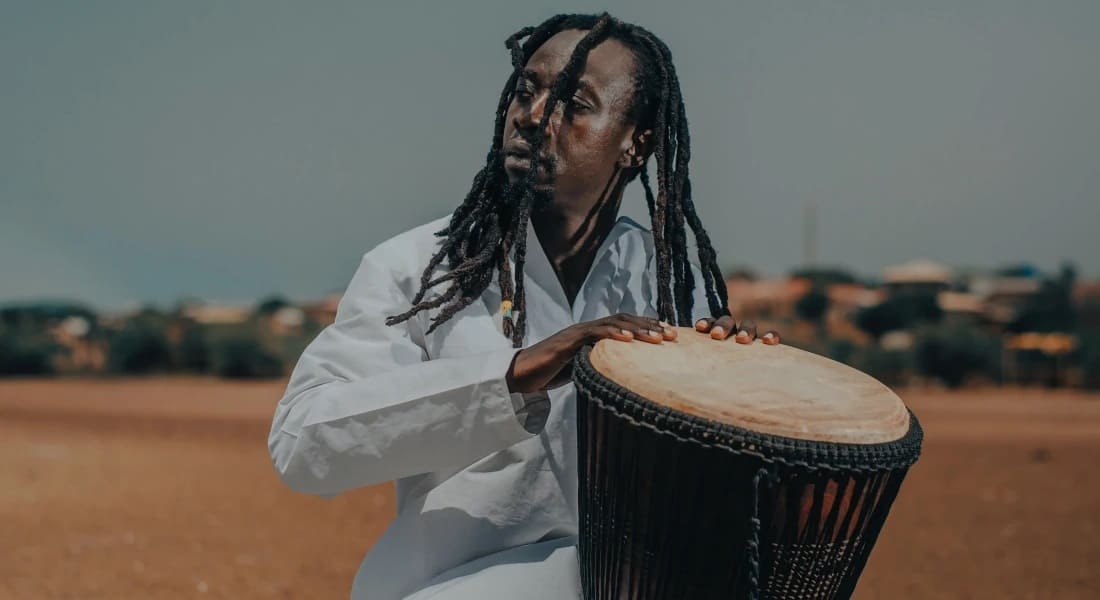
The djembe, an African percussion instrument, plays a central role in the continent’s culture. This drum is often described as “the instrument that speaks.” It is the means by which African communities communicate through rhythms. Each beat, each tone, each stroke has a specific meaning, and percussionists use these variations to convey messages, emotions, and information. In many parts of West Africa, djembe rhythms are used to announce news, coordinate community activities, and even resolve conflicts. The beats of the djembe are a form of language, a way of conveying deep and complex meanings.
The role of this percussion instrument in ceremonies and rituals
The djembe, an iconic instrument of West Africa, plays an essential role in the continent’s culture. It is much more than just a drum, as it is a key player in the ceremonies and rituals that punctuate the lives of African communities. Its distinctive sound resonates at weddings, baptisms, funerals, religious celebrations, rites of passage, and many other significant events. The rhythms of the djembe create a unique and sacred atmosphere, inviting participants to join in dance and celebration. Traditional African dances are often accompanied by the rhythm of the djembe, which guides the dancers’ movements and sets the pace for their steps. These dances have deep meanings and are frequently used to tell stories, honor ancestors, or celebrate nature. The djembe adds a spiritual dimension to these dances, strengthening the bonds between the dancers, the music, and higher powers.
Across much of Africa, the djembe is used to honor ancestors and communicate with spirits, with its rhythms seen as a bridge between the world of the living and the world of the dead. Percussionists play a central role in these rituals, mediating between the visible and invisible worlds. Its sound is considered sacred and powerful, capable of attracting the attention of spirits and strengthening spiritual connections. Rites of passage, such as initiations, also use the djembe to mark important stages in life. It accompanies young people as they enter adulthood and plays a role in teaching cultural values and responsibilities. The djembe is a silent teacher, imparting lessons through its rhythms and vibrations.
The djembe is a centerpiece of African culture, and its role in ceremonies and rituals is undeniable. It creates a soundscape that connects participants to their traditions, ancestors, and spirituality. Its powerful music and cultural significance continue to play an essential role in the lives of African communities.
The djembe: a drum from the African continent with mystical functions
Deeply rooted in the culture and spirituality of many West African communities, the djembe does more than simply produce sound. Beyond creating rhythms and melodies, this African percussion instrument is believed to possess mystical powers and is used in healing and purification ceremonies in certain cultures. Let’s take a closer look at these mystical powers associated with the djembe.
Healing and purification through the djembe
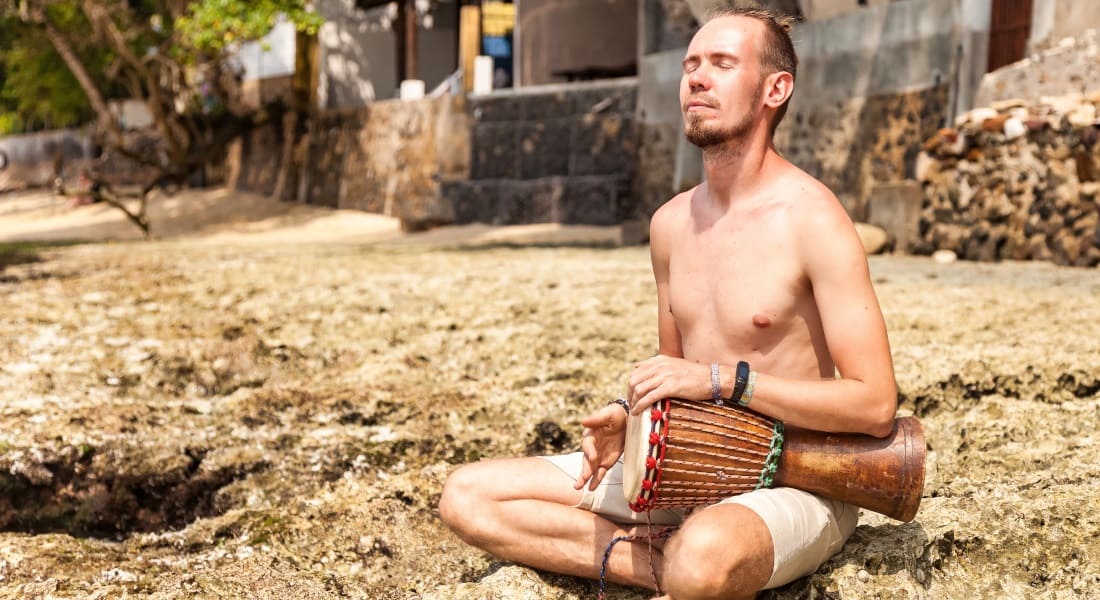
The djembe is sometimes used in healing and purification rituals. The rhythmic sounds of the djembe are believed to have therapeutic powers that help eliminate negative energies and restore spiritual and physical balance. In healing ceremonies, drums may be used to help people connect with their own vital energy. For some African peoples and cultures, the djembe represents an instrument that supports physical, mental, and spiritual well-being.
Divination and protection of this musical instrument
In some traditions, the djembe is also used in divination. Its rhythms are interpreted as coded messages or answers to questions posed by a diviner or a practitioner of divination arts. This can help people make important decisions or receive spiritual guidance. In addition, the djembe is sometimes used to protect a space or person from negative energies or malevolent spirits. The powerful rhythms of the djembe are believed to establish a spiritual barrier that keeps these forces at bay.
The djembe is believed to possess all of these powers. However, it’s essential to understand that beliefs and practices surrounding the instrument vary widely across West Africa. The mystical qualities attributed to the djembe are often deeply rooted in each cultural group’s traditions and spirituality. The djembe is therefore much more than just a musical instrument; it embodies the depth of African culture and its connection to the spiritual world.
The transmission of traditions and stories through this African drum
The djembe, an iconic instrument of African culture, plays a central role in passing on the traditions and stories of this culturally diverse continent. Beyond its mesmerizing sound, the djembe embodies the soul and history of Africa. For generations, its hypnotic rhythms have served as the rhythmic language of African communities, sharing stories, legends, and history. These rhythms are a form of communication that conveys information, emotions, and teachings.
Griots, or African bards, play an essential role in preserving oral culture. They use the djembe as a storytelling tool, combining complex rhythms with lyrics to recount stories and historical events. These tales perpetuate collective memory and keep African culture alive. Traditions related to the djembe are often passed down informally, from master to student. It’s a precious heritage that has been preserved for centuries. The secrets of djembe making, the meaning of the patterns carved on the drums, and playing techniques are transmitted orally and through hands-on learning, preserving the richness of African culture.
The djembe as an international cultural ambassador
In addition to its essential presence in traditional African music, the djembe has also played a significant role in artistic exploration and fusion with other forms of expression. From this perspective, we can see how the djembe has become a canvas for diverse and fascinating artistic explorations. One of the most intriguing aspects of the djembe as an artistic canvas is its ability to convey emotions and stories through rhythm and movement. Talented percussionists can tell musical stories, express deep emotions, and evoke mental images through their performances. The djembe thus becomes a vehicle for nonverbal communication, transcending linguistic and cultural barriers.
Dancers and choreographers have also discovered the djembe’s artistic potential. By synchronizing movement with its hypnotic rhythm, they create visually striking performances. The djembe becomes a dynamic partner in bodily expression, supporting the dance’s narrative. In contemporary music, the djembe has also become an essential part of musical creation. Experimental composers have incorporated it into orchestral pieces, sound installations, and even electronic compositions. The djembe is used to create unique sound textures and add rhythmic elements to multidimensional works.
Visual artists and sculptors have also been inspired by the djembe. Some have explored how to transform these instruments into one-of-a-kind works of art. Carved and painted djembes become art objects in their own right, showing how this instrument sparks creativity across artistic fields. The djembe has also been used in theatrical performances, art installations, and multidisciplinary projects. It has become a tool for artistic collaboration, a key element in evoking powerful emotions and captivating audiences.
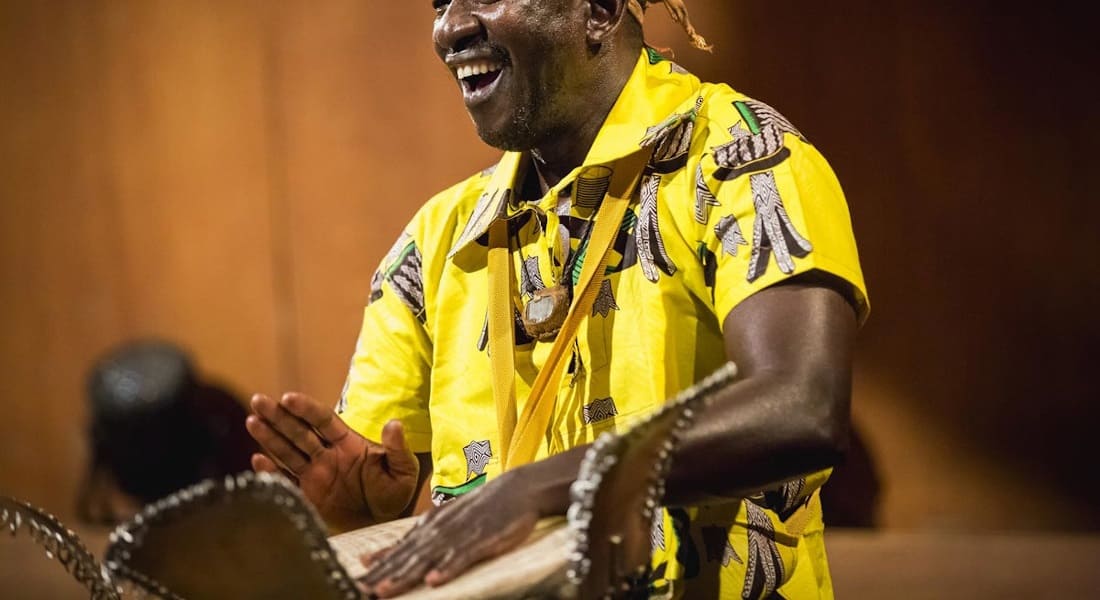
This instrument has also contributed to Africa’s international influence, with artists such as Mamady Keita, Amadou Kiénou, Famoudou Konaté, and dozens of other renowned djembe players offering captivating musical performances in African ballets to popularize the djembe around the world. Finally, the djembe has also played an important role in musical and cultural education. It is often used as a learning tool, allowing new generations to discover the richness of traditional African music. Djembe schools have developed in many parts of the world, contributing to the preservation and dissemination of this musical tradition.
Treat yourself to a djembe to connect deeply with African culture
The djembe embodies African culture in all its richness and diversity. This ancient instrument transcends its simple musical role to become a guardian of traditions, stories, and the true soul of Africa. Its power transcends borders, touching hearts around the world. Now that you have read this article, you are fully aware of the role of this instrument in West African culture. So whether you’re a passionate musician, a lover of African culture, or simply looking for a way to express your creativity, the djembe is a choice that goes far beyond music. It opens the doors to a world rich in cultural heritage, stories, and mesmerizing rhythms.
However, finding a good djembe is no easy task if you don't live in Africa. That’s why I recommend visiting the Instruments du Monde store to choose the djembe that’s right for you. This store offers dozens of high-quality models that allow you to experience African culture firsthand.
Check out the Instruments du Monde collection of djembes today!
Of all the components that make up a djembe, the rope is one of the most essential, as it creates and maintains the instrument's tuning. If you’re thinking of changing it, read my article on choosing the right rope for your djembe. That way, you can be sure to select a high-quality rope that will last for many years.
