



Written by Ambre Montespan - Updated on Aug 11, 2026
Table of contents:
Want to learn how to play the djembe? Wondering whether there are real advantages, benefits, or virtues to practicing this percussion instrument? Why is it so rewarding to play this African drum with its unmistakable sound?
Since I first discovered the djembe more than 20 years ago, I’ve seen so many people get genuine joy from playing it. Personally, I still reach for mine often to unwind, which is why I can confidently tell you how djembe practice can bring powerful benefits to both body and mind.
Playing the djembe comes with plenty of benefits, including better focus, improved overall well-being, and stronger social connections.
By reading this article, you’ll discover the benefits of playing this type of drum when it comes to:
- Building social skills
- Well-being and stress reduction
- Increased cognitive abilities
- Improved concentration
- Connection with African culture
As a result, you’ll know exactly what the many benefits of playing the djembe are. You can then decide whether this instrument is right for you or for the person you’re thinking of gifting one to.
Now, let's discover together why playing the djembe is so beneficial.
How does playing the djembe develop sociability?
One of the biggest benefits of playing the djembe is how much it can boost your sociability. This built-in social side of djembe practice is one of its most valuable strengths. In fact, playing this African percussion instrument can truly energize your social life. For starters, when you play the djembe in a group, you instantly create bonds with your fellow players. Music becomes a shared language that transcends cultural, linguistic, and social barriers. You share a unique, powerful experience that naturally strengthens the connections between group members.
Music, especially the djembe, is a form of nonverbal communication. You learn to listen to other musicians, respond to their rhythms, and anticipate their movements. This kind of nonverbal exchange builds mutual understanding and creates a collaborative atmosphere. Plus, the djembe is often played alongside other musicians, and to create a cohesive sound, each player has to hold their part. This requires precise coordination, attentive listening, and the ability to work together in harmony, which reinforces your sense of teamwork.
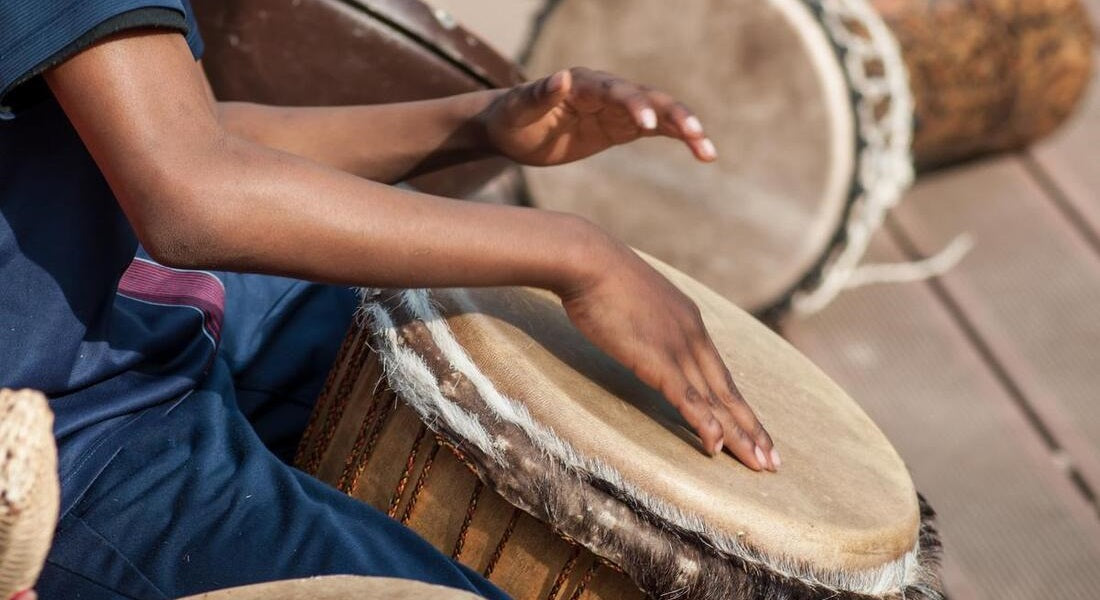
Drum circles and percussion groups are also natural social settings for meeting like-minded people. Even if you’re new to the music scene and you’re the only one who owns a djembe, you can easily join local groups or percussion workshops to meet other djembe lovers and expand your social circle.
What’s more, playing the djembe in a group offers the opportunity to perform in public. Whether it’s at a small gathering or on a larger stage, sharing your music with an audience builds confidence and can lead to new social connections. It’s also worth noting that the djembe is an instrument that brings generations together. Players of all ages can participate, which encourages intergenerational connection. You can learn from more experienced players while sharing your progress with younger generations.
Finally, being part of a percussion group or drum circle creates a sense of belonging to a community. You’re part of a collective that shares the same passion for music, which strengthens your feeling of being connected to others. The djembe goes far beyond simply making music. It’s a powerful way to become more social, connect with others, encourage collaboration, and enjoy a rich, stimulating social environment.
What are the physical and mental health benefits of this percussion instrument?
Playing the djembe can contribute to your well-being in several ways. A number of studies have explored the subject and point to improvements in cardiac activity, reduced stress, better movement coordination, stronger mental health and focus, and even an improved ability to multitask. Let’s go through these points one by one.
Improved cardiovascular activity through djembe playing
When you start a djembe session, your body naturally moves with the rhythm, propelled by the steady pulse of this captivating instrument. This activity can significantly support cardiovascular health. Consistent rhythms promote better blood circulation, helping your circulatory system deliver oxygen more efficiently to cells throughout your body. Scientists referred to this effect as “musical dilation” in a 2008 study led by Dr. Michael Miller at the University of Maryland in the United States. So, as long as you’re enjoying the practice, it can help strengthen your heart and support your circulatory system, which may reduce the risk of cardiovascular disease.
African drumming as stress therapy
Modern life often comes with its share of stress, and recent studies suggest many people feel more stressed than ever. Fortunately, playing the djembe or tam-tam can be an effective way to help counter rising stress levels. Research has shown that the instrument’s hypnotic, meditative rhythms can trigger the release of endorphins—your body’s “feel-good” hormones. These endorphins help reduce stress, relieve anxiety, and promote a feeling of calm and relaxation. When you sink into djembe rhythms, tension can seem to melt away, leaving a sense of inner peace. Historically across Africa, some elders had already understood this and used the djembe to relax and unwind.
Improved coordination and flexibility thanks to this percussion instrument
Regular djembe practice requires precise coordination between your hands and fingers. Like with any musical instrument, this coordination improves gradually over time. On top of that, djembe playing involves a wide variety of motions, which can help increase—or maintain—flexibility in your wrists, arms, and fingers. This gain in coordination and flexibility can improve not only your playing, but also your overall physical agility. A 2016 study published by Oxford University shows that musicians engage their brains in a unique way compared to people who have never played an instrument. This allows djembe players to improve their motor, auditory, and audiomotor connectivity, which can benefit day-to-day life.
Musical escape and improved mental health with the djembe
Music has the power to transport us, offering a welcome escape from everyday worries. The djembe provides its own unique kind of musical release. By losing yourself in its mesmerizing rhythms, you can calm your mind, reduce mental strain, and support emotional balance. Djembe music can feel like a form of sound meditation, helping you reset mentally and find refuge in the soothing pulse of this African instrument. In addition, playing directly with your hands can feel like getting back to basics. It’s a simple, natural action that’s too often overlooked in everyday life. In that sense, striking the djembe can be freeing for the mind—a true balm for the soul in a world that can sometimes feel chaotic.
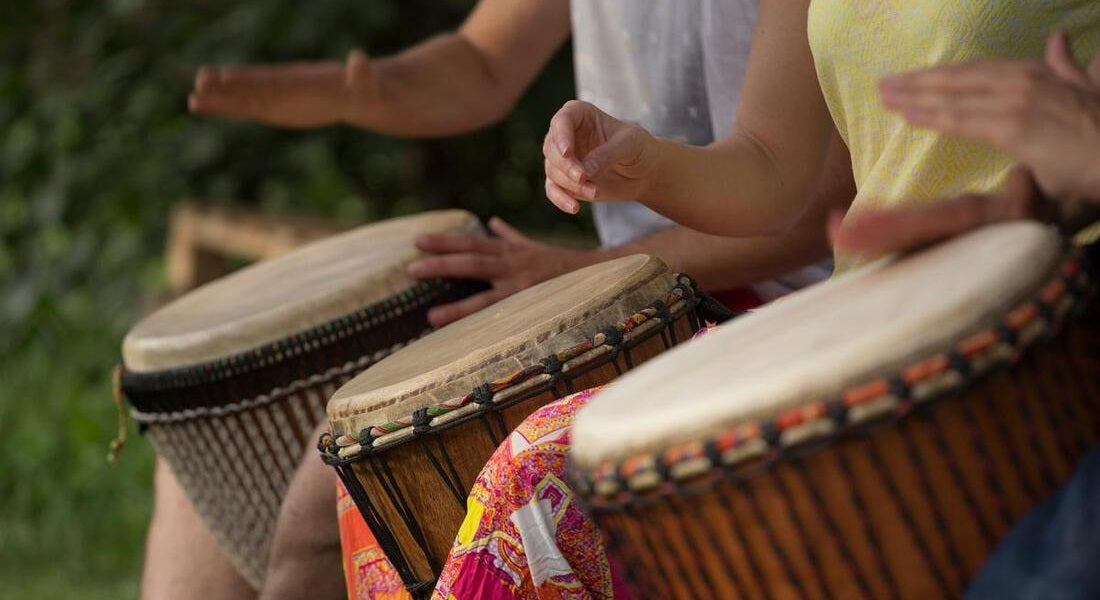
How can the djembe enhance listening to oneself and others?
The djembe is much more than just a percussion instrument; it can also be a powerful tool for improving focus and learning to tune in to yourself and others. When you play the djembe, you enter a state of deep concentration. To produce precise and harmonious rhythms, it is essential to be fully focused on the movements of your hands, the placement of your fingers, and the overall groove of the music. That level of focus can create a trance-like state where you’re fully absorbed in what you’re doing. It helps you set aside outside distractions and immerse yourself in the music, which is extremely beneficial for training your mind to focus on one task at a time.
In addition, playing the djembe in a group also strengthens your listening skills. You need to pay attention to the other musicians, follow the shared rhythm, and adjust your playing based on what you hear. This promotes attentive listening and a deep understanding of musical language. You learn to listen inwardly and outwardly, sync your movements, and adapt to the group’s pulse. Ultimately, djembe practice can have a real impact on your ability to focus, stay present, and listen more carefully—skills you can carry into many areas of daily life, supporting your mental and emotional well-being.
Develop your ability to multitask with this African drum
Did you know that playing the djembe is a deeply enriching experience that engages several abilities at once? This instrument offers a unique opportunity to build multitasking skills. At first, it can feel challenging to juggle coordinating your movements, staying locked into your own rhythm, and listening closely to the full ensemble. However, as you progress, you’ll realize that the djembe is a real training ground for multitasking.
In the beginning, your attention is mostly centered on yourself: playing accurately and holding the rhythm you’ve been assigned. Over time, though, your listening expands. You start to perceive the other instruments in the ensemble while still maintaining your own rhythmic pattern. This skill grows with every lesson and every personal practice session. After a few months, you may notice you can clearly hear multiple patterns played by different members of the group while performing your own with ease. It’s an exciting musical (and mental) challenge that takes training and patience.
Finally, with time and regular practice, you can reach a level where you perceive the ensemble as a whole, with all its nuances and rhythmic complexity. That’s when the magic of the djembe really happens. You can feel the harmony shaped by centuries of rhythmic refinement. This ability to simultaneously process musical information from different sources is a valuable skill that extends far beyond percussion. Put simply, playing the djembe isn’t only a musical activity; it’s also an exercise in building multitasking capacity. It strengthens focus, improves coordination, and sharpens listening—skills with practical value in many parts of everyday life. The djembe becomes a true school of attention management and mental versatility.
Connect with Africa and Mandinka culture with this traditional drum
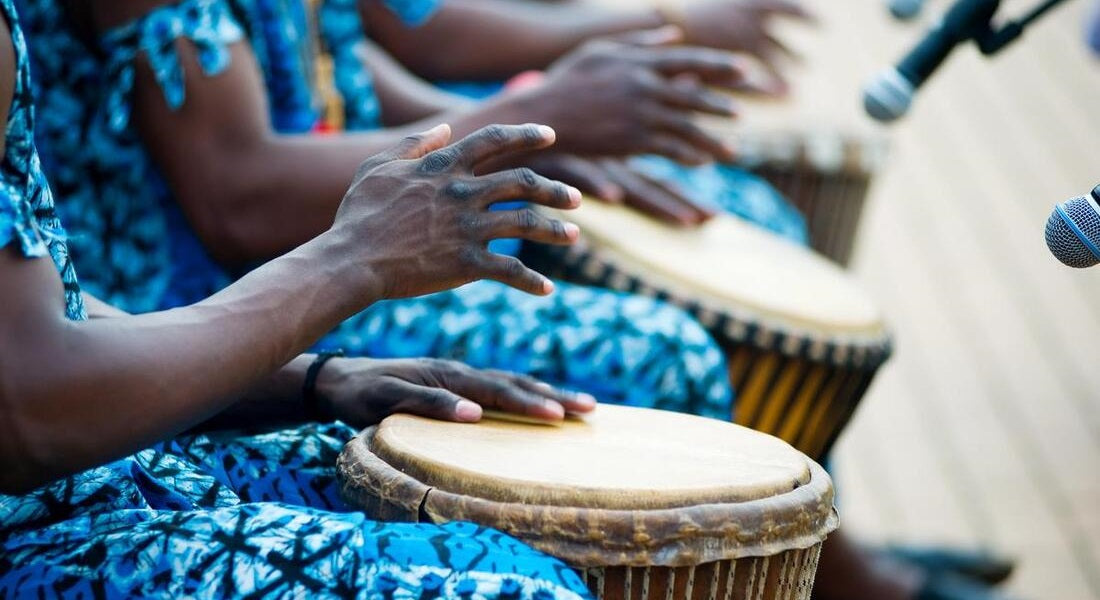
As you may know, playing the djembe goes far beyond simply hitting a drum. It’s an experience that can help you discover and connect deeply with the rich Mandinka culture, as well as many other African traditions. One of the most fascinating aspects of this instrument is its close connection to different ethnic groups and their unique customs. From the outset, it is important to understand that each ethnic group in West Africa has developed its own rhythms and musical styles, all deeply rooted in history and tradition. So, exploring the world of the djembe is like taking a journey into the heart of these diverse cultures.
Learning the djembe isn’t just about technique. It also involves exploring the history, rituals, and stories connected to each rhythm. It’s a unique opportunity to connect with Mandinka culture, as well as other West African cultures such as the Malinke, Bambara, Susu, and many more. By respecting the original context behind each rhythm and tradition, djembe percussionists step into a deep cultural learning process. In a way, they become guardians of these traditions, passing on not only the rhythms, but also the history and spirit behind each piece.
In addition, playing the djembe can bring a deep spiritual dimension for those who approach it with passion. The rhythms and melodies often carry sacred elements and spiritual connections. This aspect may be different for each person, but it’s undeniably present for those who are open to it. Simply put, playing the djembe is much more than a musical experience—it’s a gateway to discovering and connecting with the rich cultural traditions of West Africa. It’s an immersion in stories, rituals, and deeper meanings that enrich every note. It broadens horizons and connects players to a fascinating cultural history, offering a meaningful way to preserve and celebrate the diversity of our world.
Take up the djembe today to enjoy its many benefits
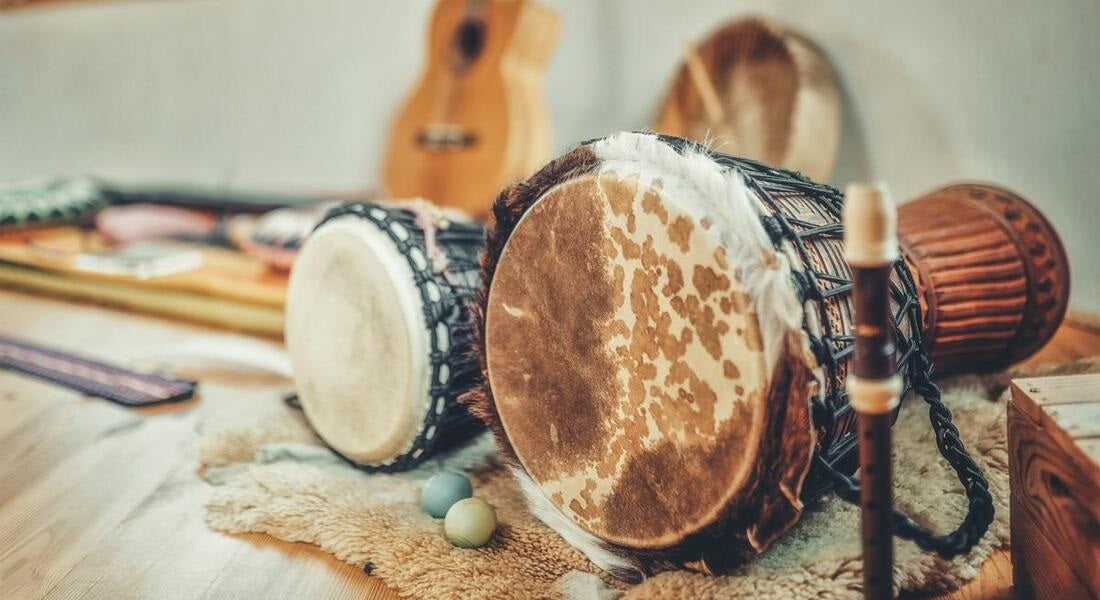
Even if it’s not obvious at first, playing the djembe comes with many advantages. After reading this article, you now understand that this African percussion instrument offers far more than rhythms and melodies. It can open the door to cultural discovery, support physical and mental well-being, and encourage creativity, sociability, and personal growth. So now you know why it is beneficial to play the djembe.
However, finding a high-quality djembe that lets you enjoy all the benefits this kind of drum can offer isn’t always easy. There are plenty of disappointing instruments online and in stores that won’t deliver the satisfaction you’re looking for. That’s why we recommend getting your djembe from the excellent online shop Instruments du Monde, which brings together some of the best models available. That way, you can feel confident you’re choosing a quality drum and enjoying all its benefits.
Check out our collection of djembes now and treat yourself to the model you’ll love most.
Did you know the type of wood used to make the djembe’s shell has a major impact on the instrument’s final tone? To help you make the best possible choice, read our guide on choosing wood for your djembe. You’ll be sure to select the one that’s perfect for your playing style.
