



Written by Ambre Montespan on Mar 14, 2023 · Updated on Sep 25, 2026

Table of contents:
Have you noticed dirt buildup, or even rust, starting to show up on your kalimba? Want to know how to remove those marks and keep them from coming back? Wondering why—and how often—you should clean your kalimba?
Having owned more than 10 kalimbas over the past few years, I’ve often dealt with rust and grime—both of which can be real threats to this instrument. Over time, I’ve tested several methods to solve these issues, and I can confidently help you maintain and preserve your African thumb piano.
To protect and maintain your kalimba, wipe it down after each use with a soft cloth to prevent rust and dust buildup. For a deeper clean, you can remove the tines from the instrument.
After reading this article, you will learn:
- How dirt and moisture can damage your kalimba
- How to remove rust and dust from the instrument
- How often to maintain your thumb piano
With that knowledge, you can take the simple steps needed to keep your instrument in perfect condition, saving you from having to buy a new one or play with a dirty kalimba.
Let’s get straight to the point.
Can dirt, humidity, or temperature damage my kalimba?
It’s important to protect your kalimba from impurities, as well as humidity and extreme temperatures. Let’s take a closer look at why.

Can dirt and impurities affect the instrument’s tone?
At first glance, it may seem that impurities, dust, and grime, which naturally accumulate on the kalimba over time, do nothing more than make the instrument look dirty. In that case, cleaning it would just be about hygiene. That’s partly true, but it overlooks the real issues dust can cause.
The thumb piano is a musical instrument that produces sound through the vibration of steel blades. Those blades (or tines) move ever so slightly as they vibrate. Inevitably, tiny particles work their way between the tines and the horizontal metal bar on the front bridge. As that buildup accumulates, it can interfere with the kalimba’s sound.
In practical terms, dust and grime are often the reason some tines start making an annoying buzzing noise, commonly called a “buzz.” You’ll recognize it right away if it happens—it’s not subtle. Here’s a video example:
If you regularly remove buildup by cleaning your kalimba, you’ll avoid buzzing tines and your tone will sound clearer. To go further, read our article on solving sound problems with kalimba keys. That way, you can be sure your instrument plays clean, pure notes.
Humidity, the worst nightmare for thumb pianos
In general, wooden musical instruments don’t handle humidity or water well. Moisture can cause the wood to swell and warp—something you want to avoid at all costs. The kalimba is no exception. To help prevent warping, keep it away from damp environments as much as possible, and make sure it’s dry after every session.
Why does the kalimba need to be protected from rust?
Kalimbas use steel tines. When moisture combines with oxygen, it can cause rust to form on the metal. A few light rust spots can usually be cleaned off and are mostly cosmetic, but a tine that’s heavily corroded may need to be replaced because it won’t sound right. Another good reason to take care of your thumb piano.
Does sunlight pose a risk to the mbira?
If you leave your kalimba in direct sunlight for too long, it will inevitably deteriorate. For one, it heats up quickly, and wood doesn’t like sudden temperature changes—it can lead to cracking. Also, ultraviolet radiation from the sun can dry the kalimba out and make it more brittle. That’s why, whenever possible, you should avoid leaving your kalimba in direct sun for several hours.
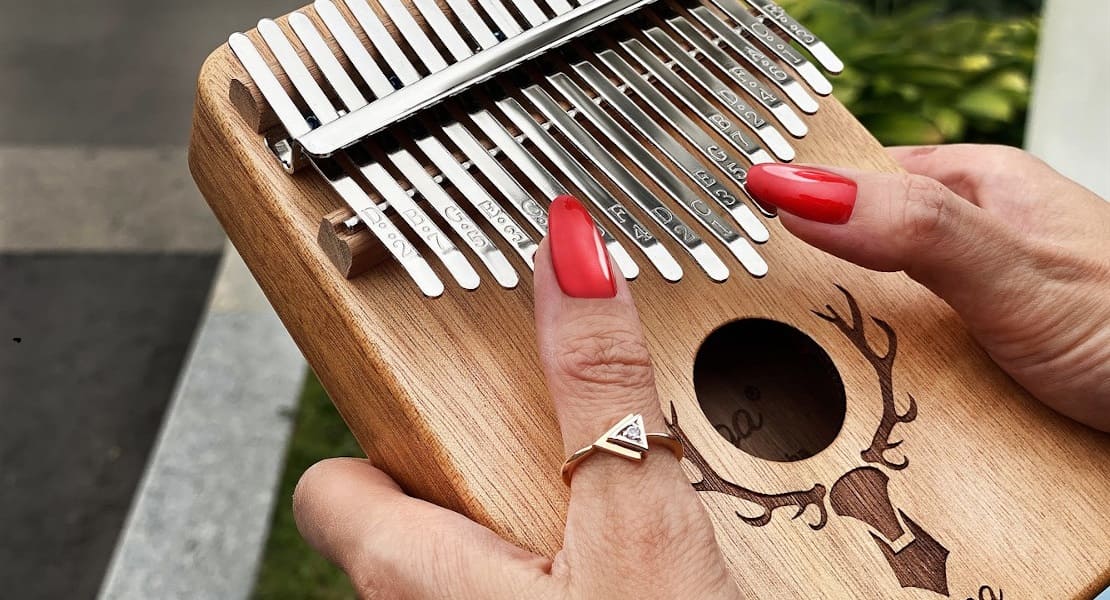
How do I preserve and clean my African musical instrument?
Kalimba care has two parts: cleaning the metal tines and taking care of the body. Depending on the model, the body can be made of wood or acrylic.
How do I wipe and protect the metal blades of the mbira?
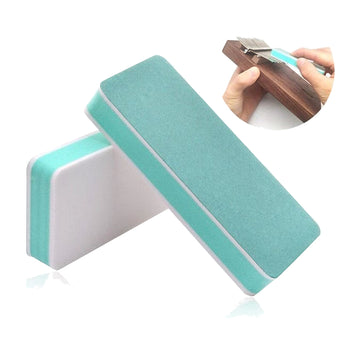
Keeping the tines in good shape helps prevent rust and buzzing. Use a microfiber cloth, often included with your kalimba, to wipe the metal tines. Then, to remove corrosion marks and bring back the shine, use a polishing block or a cloth with metal polish. Whether you’re using the block or the polish, rub the steel tines firmly. The metal will regain its original mirror finish while lifting off surface rust. Watch the video below to see how a polishing block works:
For a thorough cleaning, it’s best to remove the tines from the thumb piano. Don’t worry—this is an easy task as long as you have the right tools. You’ll need a pair of flat-nose kalimba pliers. The goal is to grip each tine firmly with the pliers and pull it out of the bridges. You can place a cloth between the pliers and the tines so the metal doesn’t touch the surface directly and scratch them. Use the video below as a guide:
Once all the tines have been removed, clean them again with a polishing block or metal polish. When you’re done, remove any dust that has settled between the two bridges, then reinstall the tines on the mbira. Once again, watch the video below, which will show you how to do this.
And there you have it—your kalimba’s tines are now thoroughly cleaned. However, you’ll need to tune the instrument again so it plays the right notes. For that, check out our detailed guide to learn how to perfectly tune your kalimba. If you don’t do this, the music you play afterward will definitely sound out of tune. Now it’s time to look at how to care for the wood that makes up your musical instrument.
How can you nourish and preserve the shine of the wood of your sanza?
Wood is often seen as a living material, meaning it reacts far more to changes in climate than plastic or metal. That’s why you need to take care of it and nourish it regularly to keep it looking its best.
To do this, start by removing any dust or grime from the kalimba’s wooden surface with a soft cloth. If your thumb piano has a sound box, you can use a vacuum with the right attachment or a feather duster to remove buildup from inside.
Once your instrument is clean, apply kalimba maintenance oil with a soft cloth to all wooden surfaces to nourish the wood. If you don’t have this specific oil, you can use beeswax or linseed oil, though these options are less effective. Spread the product evenly, then let it dry. When you’re finished, your kalimba will be back to its original splendor!

Is there anything I need to do to protect or clean the acrylic on the kalimba?
Acrylic glass is a plastic material with a big advantage over wood: it requires virtually no maintenance. Just wipe off dust with a cloth and you’re good to go. For heavier dirt, you can use clean water and mild soap. Be sure to dry the instrument thoroughly afterward.
However, this material does have one drawback. If you accidentally scratch the acrylic body, the marks will be much more visible than on a wooden kalimba, and there’s no real way to fix them. So, you’ll want to take special care of acrylic thumb pianos to keep them looking great.
How often should I care for my thumb piano?
Ideally, give it a light clean by drying the kalimba with a microfiber cloth after each use. This helps prevent sweat from your hands from affecting the body material or causing the metal tines to rust.
More thorough cleaning, which requires disassembling the instrument, depends on how often you play. For typical use, plan on doing this about every 2 to 3 months.
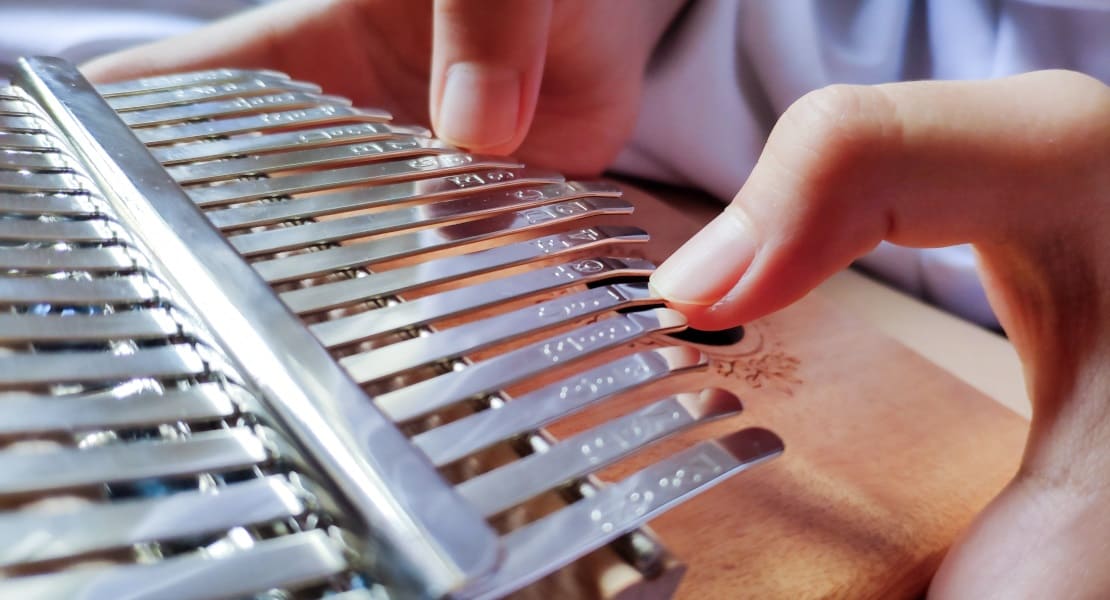
Protect your thumb piano from the elements!
Maintaining and cleaning your kalimba is something no player should skip if they want to avoid seeing their thumb piano deteriorate over time. With regular use, dirt and surface corrosion will eventually appear. But now you know exactly what to do—and what to use—to prevent those issues. Just a few minutes of simple care on a regular basis will keep your kalimba clean, shiny, and sounding like new.
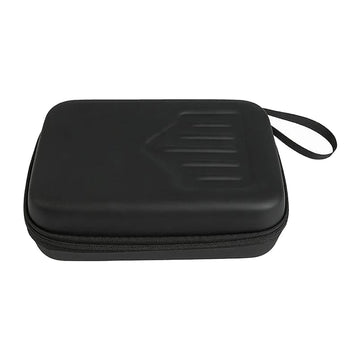
That said, beyond cleaning, we’ve also seen how damaging humidity can be: it promotes rust and makes the wood “work” over time. To avoid those headaches, it’s essential to store your thumb piano in a case when you’re not playing it. This way, it’s protected from humidity, dust, and impacts if you ever drop it.
Protect your kalimba and get a case designed specifically for its unique shape by clicking on the image below:
Now that you know how to clean your kalimba, are you sure you’ve tuned it correctly? To do that, you’ll need a reliable tuner. To help you choose, we recommend reading our selection of the best tuners for kalimbas. You’ll avoid the common traps of unreliable apps or poorly suited tuning devices. Finally, we also recommend reading the complete guide to thumb pianos.


