



Written by Ambre Montespan on Jan 8, 2024 · Updated on Oct 15, 2026

Table of contents:
Have you heard people talk about congas and djembes? Are you wondering whether they’re actually the same instrument? Are there really any differences between these two types of drums?
I first discovered both the djembe and the conga more than 20 years ago, and I’ve had the chance to closely study their history and characteristics to pinpoint what truly sets them apart. In other words, I can help you tell the difference between a conga and a djembe.
The djembe and the conga are two percussion instruments with many differences. The djembe is an African drum, while the conga originated in the Caribbean, more specifically in Cuba. Their shape, construction materials, and sound are also quite different.
By reading this article, you’ll learn how to distinguish the djembe from the conga. In particular, you’ll discover:
- The contrasting origins of the djembe and the conga
- The different cultural roles played by these musical instruments
- The physical differences between these two instruments
- The differences in the sound of these two drums
- The unequal popularity of the djembe and the conga
After reading this article, you’ll be able to recognize a djembe and a conga at a glance. As a result, you’ll never mix them up again.
Now, let’s take a closer look at the differences between a djembe and a conga.
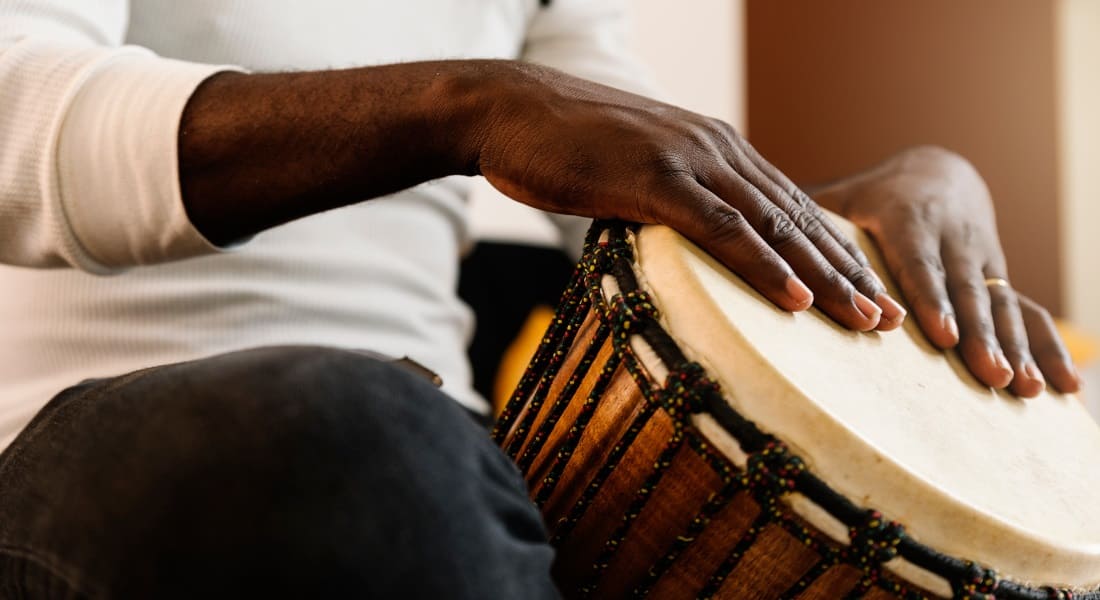
The djembe and the conga: two percussion instruments with very different origins
The cultural and geographic origins of musical instruments are essential for understanding the deep differences between the conga and the djembe. These two percussion instruments embody the musical soul of very different parts of the world, and their rich histories are reflected in their cultural roles and their influence on both traditional and modern music.
The djembe, which originated in West Africa, is a living symbol of the region’s musical heritage. It emerged within Mandinka communities, particularly in Guinea, Mali, Ivory Coast, and Senegal. West Africa has a rich and diverse musical tradition, where the djembe has held a central place for centuries. Its iconic shape, with a carved, goblet-shaped wooden shell and a tightly stretched goatskin head, is the result of traditional craftsmanship passed down from generation to generation. Beyond musical performance, the djembe is also tied to rituals, community celebrations, and artistic expression deeply rooted in African culture.
Congas, on the other hand, have their origins in the Caribbean region, particularly Cuba. Their history is closely connected to the slave trade and the blending of African, Indigenous, and Spanish cultures. Africans brought to Cuba carried their musical and drumming traditions with them, which merged with local practices and eventually gave rise to the conga. Built with wooden shells and stretched cowhide heads, congas became a cornerstone of Afro-Cuban music—known for its irresistible rhythms and wide range of styles, including rumba, Cuban son, and salsa.
The first major difference between the conga and the djembe lies in their distinct cultural and geographic roots. The djembe is a musical ambassador of West Africa, with a history firmly anchored in ritual and artistic traditions. In contrast, congas embody Cuba’s musical heritage. The cultural and geographic diversity of these two instruments deeply shapes their sound, their role in music, and their cultural symbolism.
What are the various cultural roles of the two percussion instruments?
The cultural role and musical impact of congas and djembes are deeply rooted in their distinct cultural and geographic origins. Each instrument has played a central part in the music and social life of its home region.
The djembe, originating in West Africa, is far more than a simple musical instrument. It embodies the region’s musical spirit and plays an essential role in the daily life of Mandinka communities. Traditionally, the djembe was used during celebrations, rituals, community gatherings, and shared moments. It was a way to transmit stories, traditions, and emotions through music, often through the griots. Beyond its festive role, the djembe was also used for communication, often between remote villages, by reproducing rhythms that carried specific messages. In this way, the djembe became a true cultural, social, and spiritual link.
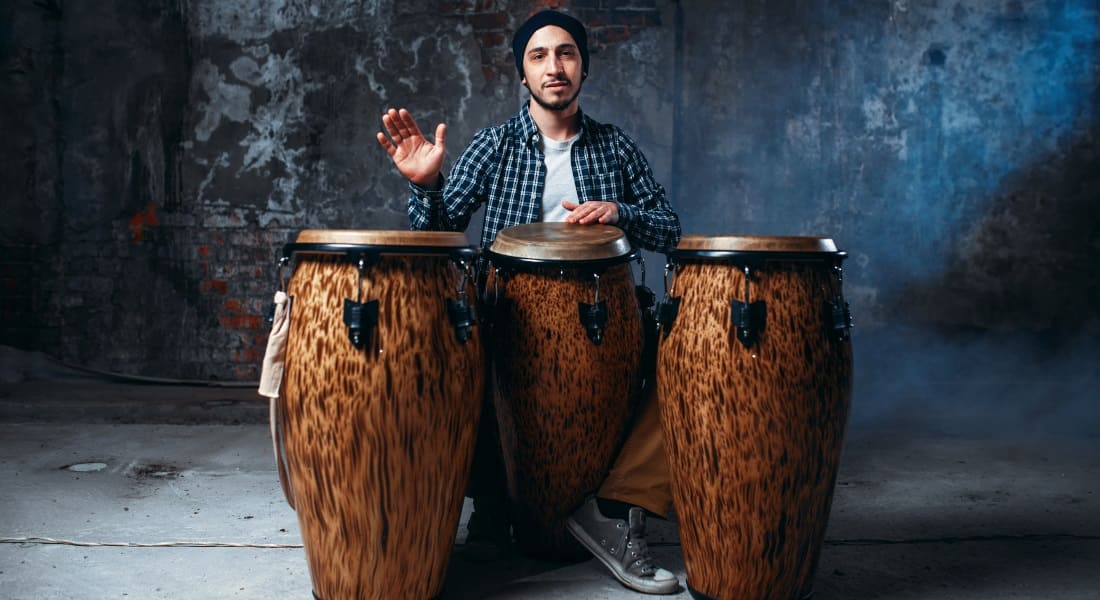
The conga, for its part, is deeply tied to Latin music, especially Cuban music. Congas sit at the heart of the driving rhythms of salsa, rumba, and other Caribbean genres. Their distinctive sound and ability to deliver fast, complex patterns make them the ideal instrument for livening up parties, carnivals, and outdoor performances. Congas also play a central role in Latin percussion ensembles, where they blend naturally with other instruments such as bongos, timbales, and maracas to create vibrant, danceable music.
In terms of musical impact, the djembe has earned a prominent place in contemporary world music. It appears across many genres, from traditional African music to fusion, jazz, and pop. The djembe’s warm, expressive tones have won over musicians worldwide, expanding its influence far beyond West Africa. Congas, meanwhile, have left an indelible mark on Latin music. Their contagious rhythms have travelled across the globe, influencing pop, Latin jazz, and modern salsa. Congas continue to be ambassadors of Cuban and Caribbean culture, bringing warmth and vitality to the international music scene.
What are the physical and structural differences between these two types of drums?
Shape and structure are fundamental differences between the conga and the djembe, and they directly affect how these instruments are played, handled, and performed.
The djembe is known for its distinctive conical shape. Its shell is carved from a single piece of wood, usually mahogany, and its goatskin head is stretched over the top using ropes and metal rings. This design creates a relatively large playing surface, giving percussionists plenty of space to produce a range of sounds, from deep bass to sharp, cutting highs. The conical shape also makes it possible to get different tones by striking closer to the rim or nearer the centre, giving the djembe impressive versatility. The player’s hands interact directly with the tensioned head to create a wide variety of timbres.
In contrast, congas have a more elongated cylindrical shape. Their shells are often made of high-quality wood, such as oak, mahogany, or ash. The cylindrical design helps congas produce a cleaner, more focused sound. Percussionists can play fast, intricate rhythms using specific techniques, such as the slap and open tone, that take advantage of the instrument’s taller shape. Congas are commonly used in group performances, especially in Latin percussion ensembles, where their structure supports tight synchronization with other instruments. It’s also worth noting that congas generally use tension rods to tune the head, while this is much rarer with the djembe.
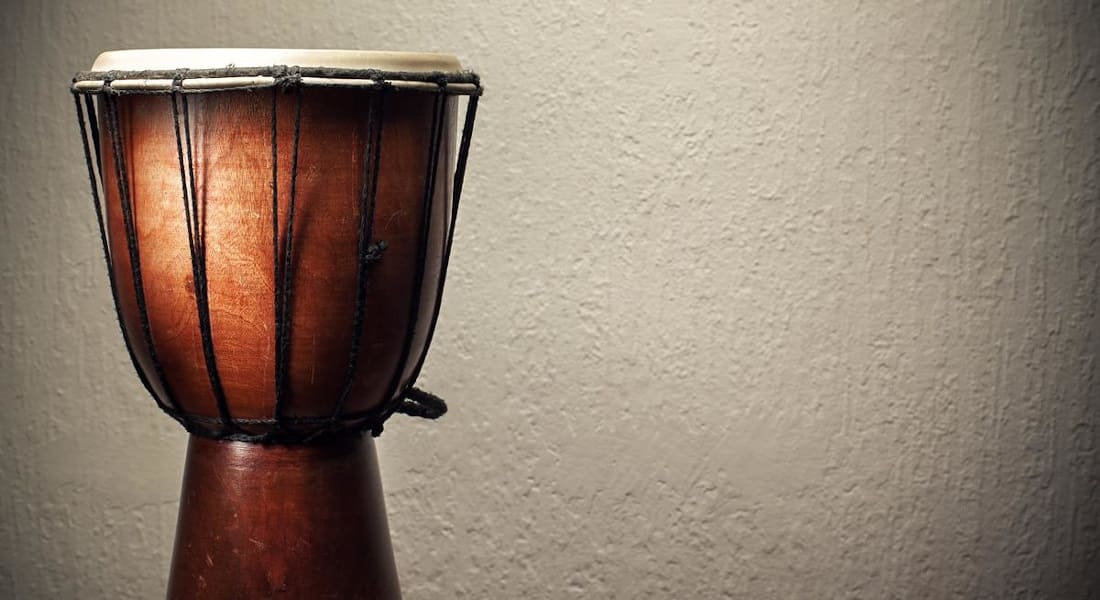
A distinction in sound and timbre between the djembe and the conga
The distinctive sounds and timbres of congas and djembes are at the heart of their appeal. Each instrument offers its own sonic palette, shaped by its cultural origins and unique construction.
Congas are renowned for their warm, percussive tones. The cowhide stretched over the wooden shell creates a deep, resonant sound, with rich lows and strong mids. Congas can produce a wide range of tones, from deep bass to crisp, percussive highs, which makes them ideal for complex, melodic rhythms. Their timbre is often described as warm, earthy, and captivating. The deep low tone, the distinctive slap, and the clear open tone create a dynamic sound that instantly evokes the sunny atmosphere of the Caribbean. Watch the video below to hear what a conga sounds like.
The djembe, on the other hand, has a very different sound range. The goatskin stretched over its conical wooden shell produces more varied, expressive tones. The player’s hands interact directly with the head, allowing sounds that range from deep, round bass to bright, sharp highs. The djembe offers exceptional versatility, making it possible to play a wide variety of rhythms and melodies. Its distinctive timbre is often described as vibrant, exotic, and deeply connected to African culture. Below is a video introducing the djembe.
The popularity and global influence of the djembe compared to the conga
Congas and djembes are two percussion instruments whose popularity and influence have crossed cultural and geographic boundaries, helping shape music around the world. The popularity of congas grew exponentially in the 20th century. They were popularized by Latin music legends such as Tito Puente, Mongo Santamaría, and Carlos “Patato” Valdés, who helped spread their distinctive sound worldwide. Congas then found their place in a variety of genres, from salsa and jazz to rock. Their warm, rhythmic tones have delighted music lovers everywhere, adding a touch of sensuality and passion to countless songs. Today, congas are played in Latin percussion ensembles, salsa orchestras, and jazz bands, contributing to the richness and diversity of contemporary music.
The djembe has an even older history that goes back centuries. It comes from African musical tradition and has long been used in ceremonies, rituals, and community gatherings. Its popularity surged thanks to artists and groups who brought its distinctive tones into contemporary music. Renowned musicians such as Babatunde Olatunji, Famoudou Konaté, and Mamady Keïta played a major role in spreading the djembe worldwide. The djembe has become a symbol of Africa’s cultural diversity, offering a deep connection to the continent through rhythm. Today, it’s heard in many styles, including pop and reggae.
Beyond the musical stage, congas and djembes also symbolize cultural diversity and the blending of traditions. They have helped bring wider attention to the richness of Caribbean and African musical heritage. What’s more, congas and djembes are often used to share messages of peace, unity, and intercultural understanding through music.
Get a djembe today and enjoy its many musical benefits
While the djembe and the conga share similarities as traditional drums that add rhythmic richness to music, each instrument has its own history, unique characteristics, and distinctive charm. With the help of this article, you can now reliably tell a conga from a djembe.
If you’re drawn to African history and culture, the djembe is an excellent choice for immersing yourself in that world. However, as an aspiring percussionist, it can be difficult to find a wide variety of quality djembes to match your needs. That’s why we recommend visiting the Instruments du Monde online store to get a great African drum.
Check out the collection of djembes available for sale at Instruments du Monde now.
Discover some of the most talented African drummers and read our article featuring the best djembe players. Each of them helped drive the development and remarkable rise of this percussion instrument in the Western world.
