



Written by Ambre Montespan on Feb 12, 2024 · Updated on Oct 15, 2026

Table of contents:
Want to record your djembe? Curious about the best ways to capture the tone of your African drum? What gear do you actually need to record this percussion instrument? And how do you capture a djembe’s sound cleanly and accurately?
As a passionate djembe player for over 20 years, I’ve had many opportunities to record this instrument and help other percussionists through the process. In this article, I’ll explain in simple terms how to record a djembe.
To record a djembe, you need to choose the right equipment and prepare the instrument accordingly. It is also important to master a few techniques to ensure successful sound recording.
By reading this article in its entirety, you’ll learn everything there is to know about recording a djembe. You’ll discover:
- The equipment needed to record a djembe
- How to prepare the musical instrument for recording
- Useful techniques for capturing the sound of the djembe
- How to attach the microphone to this African drum in order to amplify its sound
- Tips for managing the post-production and mixing phases
With all this information, you’ll be able to record a djembe effectively—and you’ll also be able to help anyone else do this easily.
Alright—now it’s time to dive in.
What equipment and accessories do you need to record a djembe?
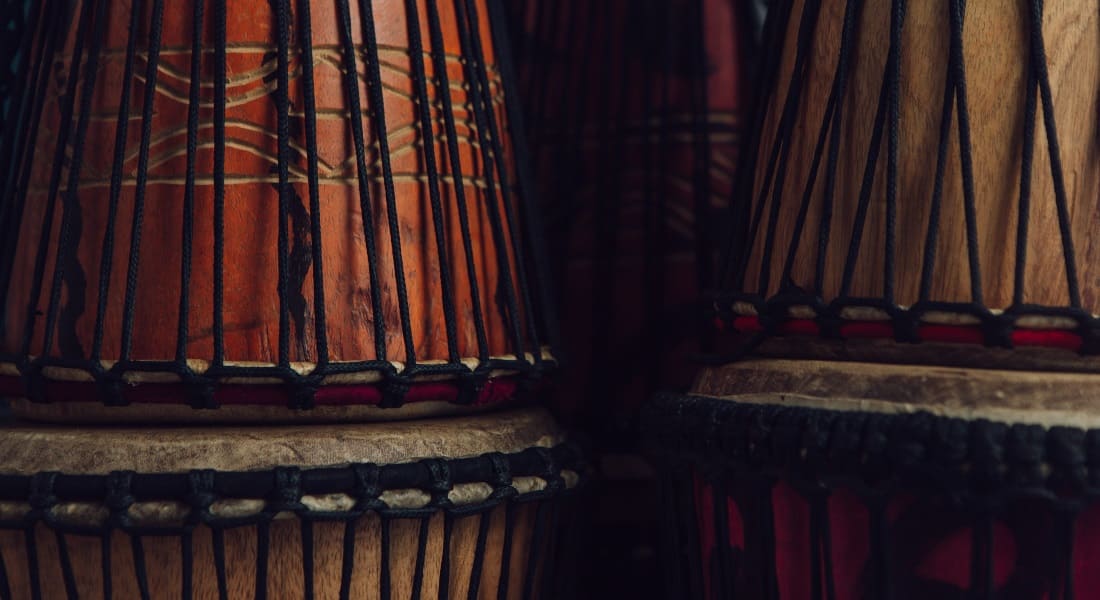
Choosing the right recording gear is a crucial step when you decide to record a djembe. The quality of your setup will have a direct impact on the final result. Here are a few essentials to keep in mind when picking your equipment. First, the microphone is one of the most important elements. For recording a djembe, a condenser microphone is recommended. These microphones are sensitive and capture the subtle nuances of the djembe’s sound. Make sure the microphone you choose is high quality to get clear, detailed recordings. In addition, a directional microphone is best to reduce outside noise and focus on the djembe’s tone.
The choice of preamplifier is also worth mentioning. A high-quality preamp can improve signal clarity by reducing unwanted background noise. There are preamplifiers specifically designed for percussion instruments, which can be a valuable asset when recording the djembe. When it comes to cables, be sure to use professional-grade cables to connect the microphone to the preamp and recording system. Poor-quality cables can introduce interference and unwanted noise.
The recording system you choose will depend on your needs and budget. You can use a portable recorder, a USB audio interface, or computer recording software. Portable recorders are easy to use and are ideal for recording on location. USB audio interfaces offer more flexibility for connecting to a computer. Computer recording software offers maximum control over recording settings, but it does require a capable computer. Finally, don’t forget accessories such as microphone stands, pop filters, and microphone mounts. These accessories can help keep the mic stable and improve recording quality.
Preparing the musical instrument for recording
Preparing the djembe before you start recording is an essential step for getting a high-quality result. There are several things to consider when getting the instrument ready. The first thing to do is to make sure your djembe is in good condition. Examine the drumhead to make sure it isn’t cracked or damaged. If you find any cracks or holes, it’s best to repair them or replace the drumhead before recording—a damaged head can greatly affect the instrument’s sound quality.
Next, carefully tune the djembe. Tuning is crucial for achieving clean, harmonious tones. Use an appropriate tuning tool to adjust the tension of the ropes around the djembe. Experiment with different settings to find the sound that best suits your recording project. Prepare the recording location, ensuring it is well soundproofed. Use acoustic panels to minimize unwanted reflections, and keep the djembe away from noise sources such as fans, electrical devices, or squeaky doors. A quiet environment is essential for capturing the djembe’s sound cleanly.
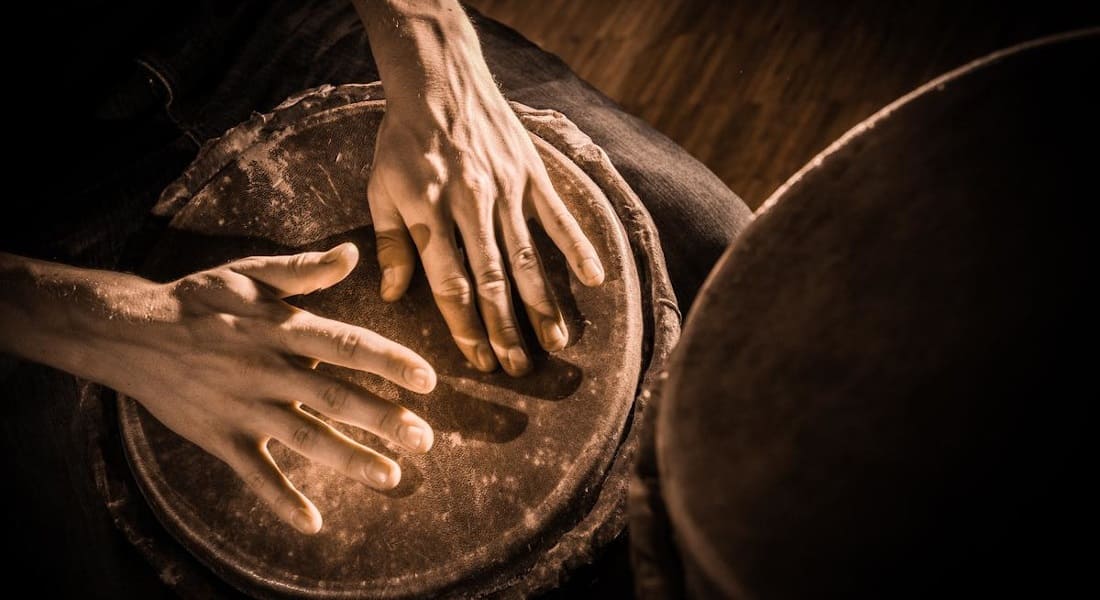
Position the microphone correctly relative to where you strike the djembe, then do a few sound checks to set optimal mic levels. Listen for a balanced tone with no distortion. You can also record short test takes to evaluate the sound. Finally, prepare yourself mentally and physically to play. Make sure you’re comfortable and focused. When you’re ready, start recording and play with the rhythm and emotion you want to capture.
How do you mic up a djembe?
To mic up a djembe properly, you need to know the main recording approaches and where to place the microphone for the best possible result.
What are the sound-recording techniques for this African drum?
When recording a djembe, it’s essential to understand the different techniques available to capture the full richness of this African percussion instrument. Each method has its strengths, depending on what you’re trying to achieve. One of the simplest approaches is to use a single microphone to record the djembe. This can deliver a direct, authentic sound, but it may lack detail in terms of stereo width and nuance. Mic placement is crucial here, and a distance of about 1 m (3 ft) from the djembe is generally recommended for a good overall balance.
Another option is to use a stereo setup with two microphones. Placed on either side of the djembe, these microphones capture the subtleties of the sound in stereo, as opposed to mono, creating a wider, more immersive soundstage—great for highlighting the nuances of your playing and building a richer overall feel. For those seeking maximum precision, close miking is the way to go. By placing the microphones just a few centimetres (a few inches) from the djembe, you can capture every detail with excellent clarity. This method is especially well suited to studio recording, where acoustic isolation helps minimize outside noise.
Another interesting option is to use contact microphones specially designed to attach directly to the instrument. Placed on the drumhead, they provide an extremely accurate recording of the raw sound produced by the drum itself, helping preserve the djembe’s character and authenticity. To add ambience and a sense of space, using room microphones is also recommended. These microphones are placed at a distance from the djembe to capture sound reflections and the atmosphere of the room. By blending these tracks with your main mic(s), you can add depth and warmth to the overall sound.
Once the tracks have been recorded, mixing and post-production come into play. This is where you can adjust levels, EQ, compress, and add audio effects to improve sound quality. Mixing is your opportunity to bring out the djembe’s key frequencies and create the best possible balance.
How do you attach a microphone to a djembe?
Attaching a microphone to a djembe is an essential step in effectively capturing the sound of this percussion instrument. Using a microphone lets you reinforce the djembe’s sound, which is especially useful for live performance or studio recording. Here’s how to attach a microphone to a djembe in the best way possible. To begin with, it’s important to choose the right type of microphone. Condenser microphones are often recommended for recording percussion instruments such as the djembe because they capture detail and dynamics accurately. Make sure your mic is good quality to get a clean, faithful recording.
Once you’ve selected the microphone, you’ll need to mount it on the djembe. There are several ways to do this. One of the most common options is to use a microphone stand, also known as a microphone clip or microphone clamp. You can attach this clip to the top edge of the djembe, near the striking area, making sure it’s securely fastened. This keeps the mic stable and close to the sound source. Another popular option is a suspended microphone stand: position the boom arm above the djembe and suspend the mic directly over the playing surface. This can work well for capturing a fuller, more balanced tone.
Whichever method you choose, make sure the microphone is positioned correctly to capture the sound of the djembe in a balanced way. You can adjust the angle and distance of the microphone to achieve the desired sound. Try a few positions until you find what best fits your performance or the sound you’re aiming for. Finally, connect the microphone to a preamp or mixing console to boost the signal. Ensure all cables are connected properly and that levels stay balanced. You can also apply processing as needed to shape the final tone.
How to handle post-production and mixing?
Once your djembe recording session is complete, the post-production and mixing phase is essential to achieving high-quality sound. This step involves refining and enhancing the raw recordings you captured so the djembe resonates exactly the way you want. First, transfer your recordings into audio editing software, such as the free Audacity software. This will allow you to work with more precision. Once your files are imported, start by listening carefully to the full takes.
As you listen, note anything that needs improvement, such as sharp peaks, background noise, or distortion. This first pass gives you a sense of the overall quality, so don’t feel like you have to fix everything immediately. Next, make basic edits to remove issues. You can cut out unnecessary parts, reduce unwanted noise, and ensure that the audio levels are consistent. This step is crucial for cleaning up the recording and removing anything that might distract from the djembe performance.
After basic edits, you can move on to mixing. If you recorded with multiple microphones, you’ll have more flexibility. Adjust the level of each track to get the balance you want. Mixing also allows you to add post-production effects such as reverb, equalization, or compression. Keep in mind that mixing is a creative step: test different settings until the recording matches what you hear in your head. Just make sure you preserve the djembe’s natural character while enhancing clarity and impact.
Once you’re satisfied with the mix, check that the overall volume is appropriate, and keep an eye on output levels to avoid clipping. Finally, listen to the mix on different sources—headphones, computer speakers, and studio monitors—to make sure it translates well everywhere. Post-production and mixing are key steps in achieving great sound when recording a djembe. It’s your chance to polish the performance and let the instrument’s distinctive tones truly shine.
Should you go with live recording or studio recording?
When starting a djembe recording project, one of the first decisions to make is whether to record live or in the studio. Each approach comes with its own pros and cons, and understanding them will help you get the sound you’re after.
Live recording is a popular choice among percussionists and world music groups. One of the biggest advantages is the ability to capture the raw energy and authenticity of the performance in real time. Whether at a concert, a live studio session, or outdoors, live recording offers a unique atmosphere. It captures the interaction between musicians, as well as the audience’s reactions, creating an immersive sound experience. However, live recording also has drawbacks. Conditions are often unpredictable: room acoustics, ambient noise, and last-minute changes can all create challenges. It can be difficult to control the entire sound environment.
On the other hand, studio recording offers complete control over the sound environment. It allows each instrument, including the djembe, to be isolated for high-quality takes, making it easier to correct mistakes and imperfections. In addition, the studio gives you access to a wide range of effects and post-production techniques to shape the sound with precision. However, studio recording can be more expensive in terms of gear, time, and studio rental. It can also feel less spontaneous than a live recording, since it removes real-time interaction with an audience.
Ultimately, the best choice for your djembe depends on the result you want. Live recording captures raw energy and authenticity but can come with technical challenges. Studio recording offers total control and deeper post-production possibilities but may sound less “live.” Artists and sound engineers often decide based on the musical aesthetic they’re aiming for and the specific constraints of each project.
Tips for musicians who want to record their own djembe
Recording a djembe is an exciting project for any musician or percussionist looking to capture the rich sound of this traditional African instrument. Whether you’re an amateur or a professional, here are some essential tips to help you get a quality recording of your djembe.
- Preparing the instrument : Before you start recording, make sure your djembe is in good condition. Check the tuning of the drumhead, tighten the hardware if needed, and make sure the tension ropes are properly adjusted. A well-maintained djembe will produce a clearer, more accurate sound.
- Choosing the location : Where you record your djembe has a major impact on the sound. If you opt for studio recording, choose a room with the right acoustics. If you prefer live recording, select a venue suitable for live performance, such as a concert hall or an outdoor space.
- Choosing the right microphones : Your mic choice is crucial for capturing the djembe’s tone. Use high-quality condenser mics to pick up detail. Place one mic close to the drumhead to capture attack and definition. You can also experiment with room mics to capture the space.
- Make EQ adjustments : EQ is a powerful tool for shaping your djembe sound. Experiment to emphasize the frequencies that highlight your instrument’s character. Midrange and high frequencies are often boosted to bring out clarity and brightness.
- Play with precision : Playing technique is fundamental to achieving a great recording. Play cleanly and master the different striking techniques with your djembe , from slap to bass. A solid performance is the foundation of a successful recording.
- Record multiple takes : Don’t hesitate to do several takes to get the best possible performance. This gives you options when it’s time to edit.
- Manage post-production : After recording, use post-production tools to fine-tune your djembe sound. Add moderate reverb to simulate room acoustics, or apply effects for a more experimental vibe.
Finally, don’t be afraid to experiment with different recording techniques, microphones, and effects. Every djembe has its own personality, and exploring will help you uncover unique tones.
Get a quality microphone for your djembe
Whether you’re a professional musician looking to add authentic percussion to your compositions or an amateur eager to document your musical journey, recording a djembe is a rewarding step that helps your creations live on. The process can feel intimidating at first, but with what you’ve learned in this article, you have everything you need to mic up your djembe with confidence.
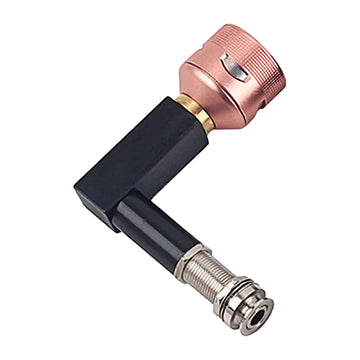
That said, professional-grade microphones can cost several hundred—or even several thousand—dollars, which makes them out of reach for many players who simply want to share their music with friends and family. That’s why Instruments du Monde offers an affordable, great-value microphone with a jack connector that attaches directly to the inside of the djembe’s base.
Get this microphone now by clicking on the image below:
The African drum is not just a musical instrument. It has also played several roles among the peoples and tribes who have used it for hundreds of years. Learn more by reading my article on the role of the djembe in African culture. You’ll discover some surprising facts about this percussion instrument.
