



Written by Ambre Montespan on Apr 15, 2024 · Updated on Oct 15, 2026

Table of contents:
Do you own a Tibetan singing bowl, or are you thinking about buying one soon? Are you interested in hypnosis in general? Would you like to know how to practise hypnosis with a Tibetan singing bowl? And are you curious about the benefits of pairing hypnosis with this Asian musical instrument?
With over 10 years of experience using singing bowls for therapeutic purposes, I’ve had the opportunity to combine hypnosis with a Tibetan singing bowl many times. Drawing on that experience, I’m happy to share techniques and tips that will help you use your bowl confidently during hypnosis sessions—whether you practise regularly, work professionally, or simply want to try it for the first time.
Practising hypnosis with a Tibetan singing bowl offers a unique, enriching approach. Following a few key steps will help you achieve the best possible results.
By exploring this article in its entirety, you will discover:
- What hypnosis is
- The role and benefits of singing bowls in this psychological practice
- How to successfully integrate this instrument into hypnosis
- The method for self-hypnosis using this sound object
After reading this article, you’ll be able to maximise the benefits of the Tibetan singing bowl during hypnosis sessions. In addition, if you’d like to be hypnotised, this article will give you a clearer understanding of how a session typically unfolds.
Let’s find out together, right now, how to practise hypnosis with a Tibetan bowl!
What is hypnosis in general?
Hypnosis is a technique that induces an altered state of consciousness, characterised by focused attention and increased receptivity to suggestions. This state, often compared to a trance or deep relaxation, allows the person to detach from their immediate environment while remaining conscious and able to communicate.
Hypnosis can be used for therapeutic purposes, known as hypnotherapy. In this context, it can help treat various psychological or physical issues, such as anxiety, chronic pain, sleep disorders, addictions, and phobias. Hypnotherapy aims to change an individual’s perceptions, sensations, emotions, or behaviours by suggesting positive changes during the hypnotic state.
There are different techniques for inducing hypnosis, ranging from direct suggestion to more subtle methods that use metaphors or stories to reach the desired state. The effectiveness of hypnosis varies from person to person, with some being more receptive than others. Although hypnosis has long been surrounded by mystery—and sometimes controversy—it is increasingly recognised and used in medical and therapeutic settings, thanks to research that has highlighted its usefulness in certain conditions. However, it’s important that hypnosis be practised by qualified professionals to ensure safety and effectiveness.
Is the Tibetan bowl effective in hypnotherapy? Does it have any benefits or contraindications?
Hypnosis with a Tibetan singing bowl is a fascinating practice that blends ancient tradition with modern approaches to hypnotherapy. The main difference between classic hypnosis and this method using this Asian musical instrument lies in the use of sound. While traditional hypnosis generally relies on the practitioner’s voice to guide the subject into a hypnotic state, hypnosis with a Tibetan singing bowl incorporates sound vibrations to induce trance, or an altered state of consciousness.
The vibrations of the Tibetan bowl act as a catalyst, helping the person reach a deeper level of relaxation. This can make the hypnotic experience more accessible for people who struggle to relax with conventional methods. As a result, hypnosis with a Tibetan bowl can be especially effective for stress management and anxiety reduction, and it may also support more spiritual exploration of the unconscious. The instrument’s vibrations create a soothing atmosphere that encourages deeper self-inquiry.
In practice, the bowl’s sound vibrations serve as an additional guide into a hypnotic state. When the practitioner plays the bowl in sync with their voice, the vibrations and tones become a focal point for the subject’s mind, making it easier to slip into deep relaxation and focused concentration—and therefore become more receptive to suggestions. In addition, the sound of the Tibetan bowl can be used symbolically, creating mental associations that reinforce hypnotic suggestions. Moments when the sound fades or intensifies can be used to mark transitions in the session, strengthening certain suggestions or supporting shifts in mental state. As a result, this percussion instrument can be a powerful ally in hypnosis.
While the use of a Tibetan bowl is generally safe, hypnosis may be contraindicated for people with psychotic disorders, such as schizophrenia, severe bipolar disorder, or paranoid personality disorders, due to the risk of worsening symptoms or causing mental confusion. It is also not recommended for those who have difficulty distinguishing between reality and imagination or who are highly resistant to letting go of control. If you’re unsure, consult a healthcare professional to determine whether hypnosis is appropriate for your situation.
How can singing bowls be used in hypnosis?
Here are a few steps and tips for incorporating Tibetan bowls into hypnosis practice with a subject:
- Prepare the space : make sure the space is quiet, comfortable, and free from distractions. Place the Tibetan singing bowl nearby so that you can easily play it during the session. Soft, soothing lighting can also help create a relaxing atmosphere.
- Introducing the Tibetan bowl : before you begin, explain the purpose and potential benefits of the singing bowl within the hypnosis session. This can help create positive expectations and boost receptivity to the sounds. You can also let the subject briefly experience the instrument’s sound beforehand to help them ease into the sonic experience.
- Induction : the fundamental principles of hypnotic induction form the foundation of any hypnosis session. Induction often begins with relaxation. The aim is to bring the subject into a calm and relaxed state conducive to hypnosis . Start with classic relaxation techniques, such as deep breathing or visualisation. Then gently play the Tibetan bowl to create a soothing atmosphere. The harmonious vibrations will help the subject gradually unwind. Continue by modulating the sound—raising or lowering it—to mirror and support their relaxation. Use the sound as a guide, inviting the subject to focus on the vibrations to help them enter a hypnotic state.
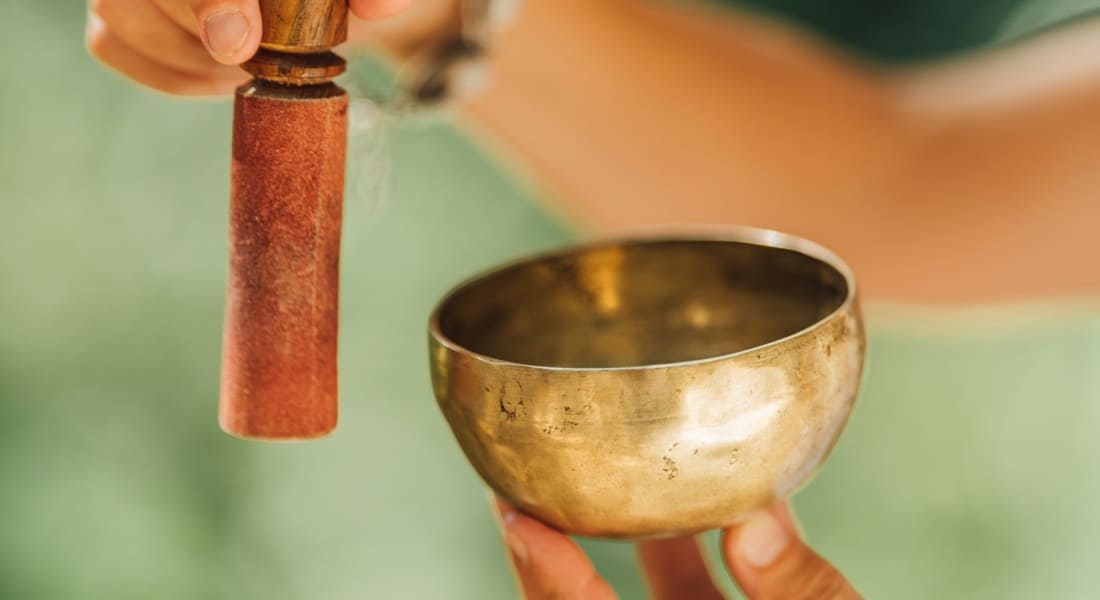
- Deepening : during the deepening phase, intensify the vibrations of the Tibetan bowl to support the subject in their inner journey. You can vary the intensity of the sound to match the depth of the trance, creating a more immersive experience. Encourage the subject to surrender to the vibrations, reinforcing relaxation and openness to hypnosis.
- Suggestion : during the suggestion phase, use the sound of the Tibetan bowl strategically. Adjust the vibrations to match the nature of the suggestions. For example, gentle vibrations can accompany suggestions for deep relaxation, while a slightly stronger intensity can reinforce suggestions for focus or a shift in attitude. The sound becomes an ally in communicating positive ideas to the subject.
- Awakening : at the end of the session, as the subject begins to awaken, gradually reduce the sound of the Tibetan bowl. Use softer tones to mark the transition from the hypnotic state back to ordinary awareness. To do this, you can use a set of several singing bowls with different mallets or strikers. The sound can then serve as a subtle signal that the subject is returning to full awareness, while keeping a sense of calm and well-being.
- Post-hypnotic suggestion : even after the session, the sound of the Tibetan bowl can be used to reinforce post-hypnotic suggestions. By encouraging the subject to recall the soothing sound whenever they feel stressed or need to relax, the Tibetan bowl becomes a positive anchor that extends the benefits of the session beyond the present moment.
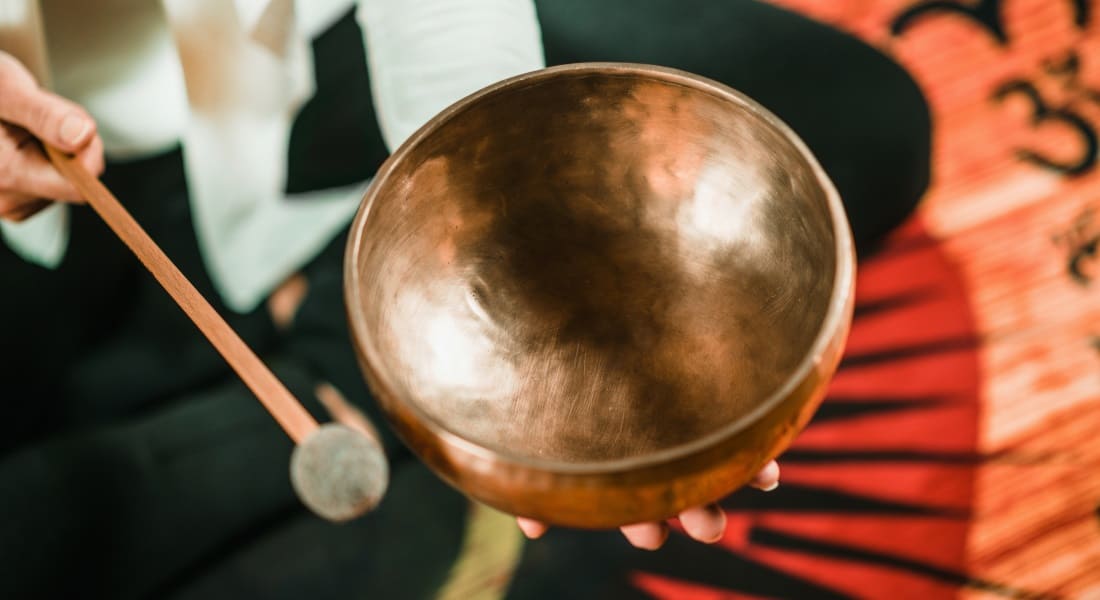
Is it possible to self-hypnotise using the sound of a Tibetan singing bowl?
It is entirely possible to self-hypnotise using the sound of a Tibetan bowl as a powerful tool to guide your own mind into a hypnotic state. The method is very similar to the one described above when a practitioner performs it on a subject. It’s important to clearly define your goal and use self-suggestions so this practice can deliver the benefits you’re aiming for. Also, make sure you have enough uninterrupted time to complete the session without being disturbed.
Choose a high-quality Tibetan bowl for effective practice.
Still considered mysterious by many, hypnosis offers meaningful benefits that can be applied in everyday life. And incorporating a Tibetan bowl into that practice only adds to the experience. With the help of what you’ve learned in this article, you now have the key information you need to perform or prepare for a hypnosis session with a Tibetan bowl.
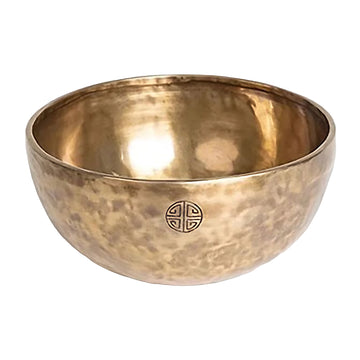
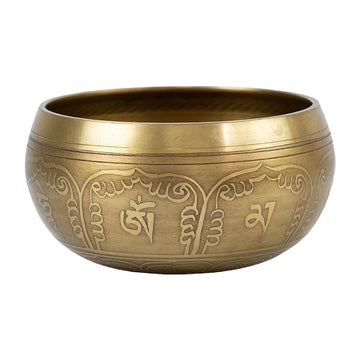
However, one question remains: where can you find a good-quality singing bowl to practise hypnosis in the best possible way? I recommend the online shop Instruments du Monde, a trusted shop that specialises in beautiful Tibetan bowls. With a collection of several hundred models, you’ll have plenty of options to choose from. You can even select a piece that’s entirely handmade with care by artisans in the Himalayas.
Learn more about this Tibetan singing bowl by clicking on the image below:
Using a Tibetan singing bowl for healing work isn’t always simple, but my article dedicated to sound therapy with this musical instrument will help you achieve truly interesting results. And be sure to read my guide to using singing bowls if you want to unlock the full potential of this Asian sound instrument.


