



Written by Ambre Montespan - Updated on Jun 12, 2026
Table of contents:
Objective: find a reliable used instrument at the right price, with a clear, secure buying process.
You can either visit a specialist shop for hands-on testing, expert guidance, and dependable after-sales support, or buy online for a wider selection and faster comparisons. In a reputable workshop, each piano is serviced: action regulation, key inspection, and a complimentary first tuning for acoustic models. That kind of preparation brings real peace of mind from the very first notes.
Top brands—Yamaha, Kawai, Schimmel, Seiler, Petrof, Bechstein, and Sauter—are known for stable tuning and long-term reliability. With options for every budget and skill level, it’s easier to choose with confidence. This guide explains where to buy, which categories to compare (upright, grand, digital), and how to evaluate a specific model in practical terms. Keep your criteria in mind: intended use, dimensions, and repertoire to guide your search effectively.
Why choose a used piano in France today?
Buying a used instrument often gives you access to higher-end models without breaking the bank. Major brands stay within reach, with solid tuning stability and durable action.
The best value for money for access to major brands
A used model lets you focus on what matters most: the action, keyboard, and soundboard. You pay less for “new” marketing and more for real performance.
“A refurbished instrument often feels close to new, for a fraction of the price.”
Instruments checked and ready to play thanks to specialized workshops
Specialized restoration workshops perform a full technical inspection, action and keyboard adjustments, hammer head checks, voicing, and a first tuning on acoustic models. Some also offer a 10-year warranty, such as the DB Piano workshop, which is a strong sign of serious, trustworthy work. Choosing a piano that has already been inspected by a workshop also comes with several advantages:
- Ready to play upon delivery.
- Home service and follow-up for peace of mind.
- The instrument’s history and original parts help secure your purchase.
| Advantage | Workshop service | Suitable for | Approximate price |
|---|---|---|---|
| Access to high-end models | Action service and tuning | Beginners and experienced players | $500–$8,000 |
| Stable sound quality | Voicing and tone balancing | Practice, expression, concerts | $1,000–$20,000 |
| Retains its value | History and original parts | Invested buyers | Varies by brand |
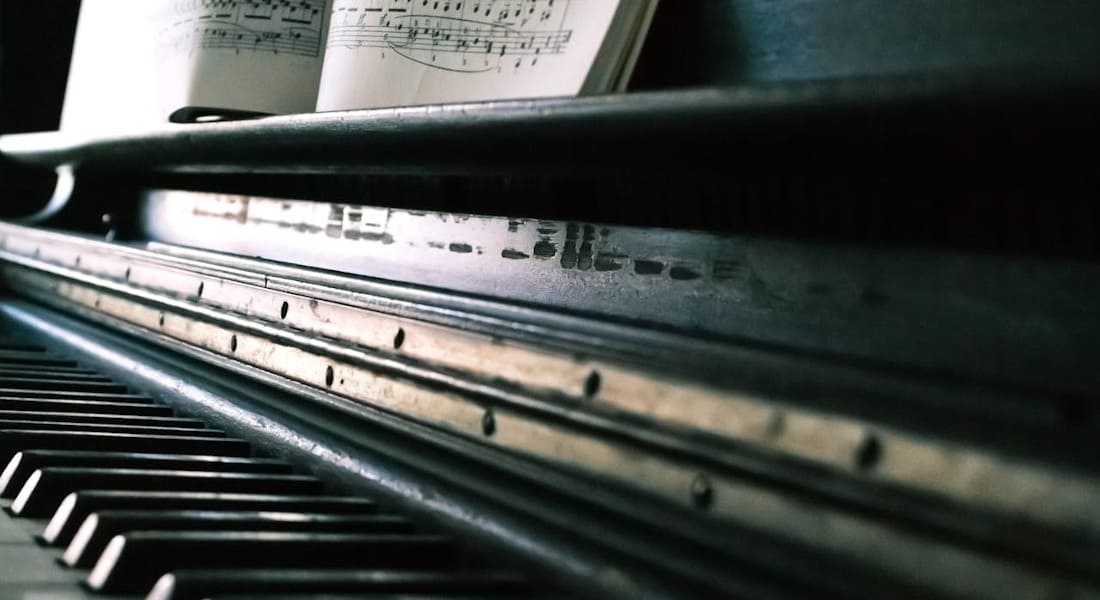
Where to buy your used piano: specialist stores or online
Beyond specialist workshops, there are other options as well.
Online stores and marketplaces
These platforms offer a wide selection, filters by brand and price, and a quick snapshot of what’s available. They make it easy to compare pianos, digital keyboards, and synthesizers.
Detailed listings and reviews help you narrow things down, but they’re no substitute for hearing and feeling the instrument in person.
Try before you buy: expert advice and local service
A visit to a store lets you get recommendations based on your skill level, available space, and how you’ll use the piano (practice, stage, recording).
Buying local = fast after-sales service: post-installation adjustments, scheduled maintenance, and in-home service. Be sure to check the warranty and the availability of parts.
| Point | Advantage | Suitable for |
|---|---|---|
| Specialized store | Side-by-side trials, technical guidance, often a complimentary tuning | Discerning buyers, in-store testing |
| Master craftsman workshop | Full inspection before delivery, quality guarantee | Restored instruments, committed buyers |
| Online marketplace | Wide selection and easy tracking of deals and price trends | Quick search, multi-brand comparison |
| Hybrid approach | Online search + in-store trial | Secure and optimized choice |
The main categories of used pianos for all needs
Choosing the right category starts with defining your space, your repertoire, and your sound priorities.
Upright pianos
Compact and vertical, upright pianos have strings that are struck vertically. They range from study instruments to living-room models. They’re ideal for apartments and offer a consistent feel under the fingers.
Grand pianos
From baby grand to concert grand, these instruments deliver more projection and harmonic richness. They shine in spacious rooms and with demanding repertoires such as Romantic music or jazz.
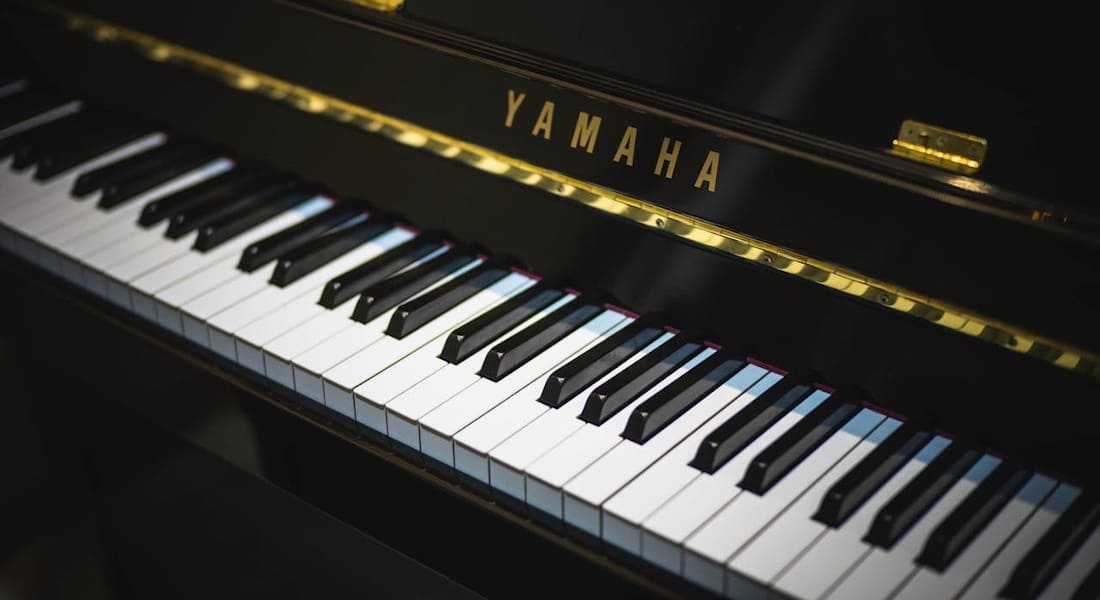
Digital pianos
Digital pianos offer practical features such as a metronome, recording, and app connectivity. Weighted keys recreate the feel of an acoustic keyboard, and headphone playing helps keep the peace with neighbors.
| Category | Advantages | Recommended use |
|---|---|---|
| Upright | Space-saving, moderate cost | Learning, apartments |
| Grand | Projection, rich sound | Concerts, chamber music |
| Digital | Features, silence via headphones | Small spaces, recording sessions |
Pro tip: in a showroom, compare the touch and action across categories. A specialist can point you in the right direction for your needs—daily practice, stage use, or studio recording.
Popular brands and models on the second-hand market
The most sought-after instruments on the second-hand market offer a rare balance of quality and price.
Several brands show up again and again in showrooms. Yamaha and Kawai are prized for their balance, durability, and easy access to parts.
- Schimmel, Seiler, and Petrof: distinctive sound character and rich harmonics.
- Bechstein and Sauter: high-end finishing and a refined touch.
Many study and expressive models from these brands offer excellent value on the used market. A well-regulated keyboard and a healthy action matter more than the year of manufacture, as long as the instrument has been properly maintained.
Pro tip: prioritize pianos prepared and voiced by a master craftsman workshop. A technical inspection before delivery secures your purchase and reveals the instrument’s true dynamic range. Check demand for the specific model, parts availability, and access to qualified technicians to make maintenance and resale easier.
Services that secure your purchase of a used instrument
After-sales and workshop services transform a second-hand purchase into a secure, long-term choice.
Restoration, repair, and routine maintenance in the workshop or at home
Workshops certified as master craftsmen handle restoration, overhauls, and regulation. They ensure consistent touch and long-lasting mechanisms. Regular maintenance—tuning, voicing, and key regulation—keeps sound quality and playing stability at their best.
Local after-sales support offers fast service and advice on room acoustics and piano placement. Digital keyboards and synthesizers can also benefit from diagnostics and updates.
Rental and lease-to-own: try before you buy
Rental and lease-to-own plans are especially helpful for beginners or anyone who’s still deciding. They let you try the instrument at home with monthly payments tailored to your budget.
Packages often include a bench, headphones, and an option to purchase at the end of the contract. Clear quotes and a full service history add transparency when buying a used instrument.
| Service | Advantage | Suitable for |
|---|---|---|
| Master craftsman workshop | Complete restoration, complimentary tuning upon delivery | Discerning buyers, antique instruments |
| Local after-sales service | In-home visits, acoustic advice | Local owners, apartments |
| Rental / lease | Home trial, monthly payments, accessories included | Beginners, try before you buy |
Conclusion
Combine online comparisons with in-store trials to validate the feel, sound response, and budget. Test the keyboard and ask for a guided trial through a certified workshop.
Smart move: identify benchmark models (Yamaha P‑145, Roland FP‑10, Kawai ES‑120) to set a realistic price. Prioritize master craftsman sellers for the instrument’s condition, preparation, and follow-up.
Select the right category—upright, grand piano, or digital piano—depending on your space and how you’ll use it. Consider accessories and a classic finish such as black for comfort, easy integration, and simpler resale.
Schedule a trial appointment: matching the keyboard feel to your musical expectations will help you find the piano that truly fits, with support from first contact through delivery.
Also take a look at our tips for choosing the right piano. It’ll help you avoid ending up with the wrong instrument.
