



Written by Ambre Montespan - Updated on Aug 11, 2026

Table of contents:
Finally! You’ve decided to treat yourself to a djembe, that magnificent African drum. However, the djembe isn’t an instrument you can easily find just anywhere. So, where can you buy a good djembe? Is it possible to buy quality djembes online? And is buying a secondhand djembe a good idea?
I’ve personally bought more than 20 djembes since I first discovered this iconic African percussion instrument. I’ve purchased them secondhand, online, in brick-and-mortar stores, and at cultural events. So I can confidently point you toward the best places to find a quality djembe.
There are several ways to buy a djembe. You can order from specialized websites, browse classified ads to find used djembes, contact suppliers in Africa, or visit a physical store.
By reading this entire article, you’ll discover all the best places to buy your djembe, along with the precautions to take before you commit. In particular, you’ll learn:
- Where to buy a quality djembe online
- The possibility of making your purchase in physical stores
- How to find a used African drum
- Whether you can buy an instrument at craft markets and festivals
- The advantages of contacting direct suppliers of djembes from Africa
With all this information, you can confidently choose the buying method that suits you best. You’ll also be able to help friends and acquaintances who are struggling to find a place to buy a fantastic djembe.
Now, let’s look at all the options you can consider when buying a djembe.
Is it possible to buy a djembe online?
You can, of course, buy this African drum online. It’s the most common option for musicians searching for this instrument. There are three main ways to buy a djembe online: from a specialist store, from a generalist website, or on the secondhand market.
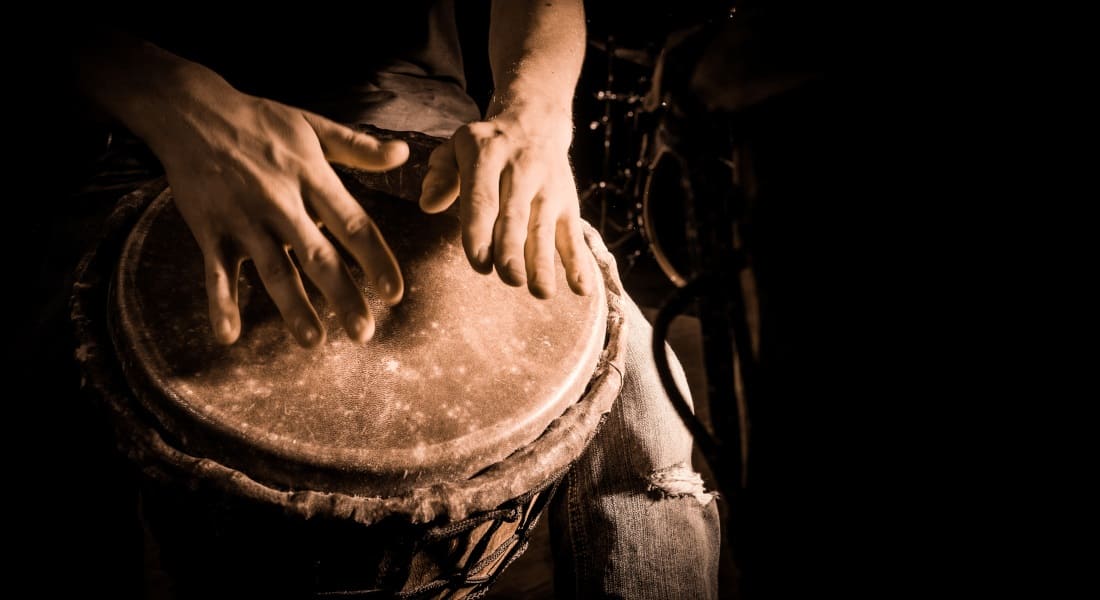
Why is it a good idea to buy a djembe from a specialist store?
If you’re looking to buy a good djembe, specialized online stores are a convenient option with plenty of variety. These stores focus exclusively on musical instruments, so you’ll have access to a wide range of sizes, designs, and djembe styles. What’s more, you can browse their catalogs from the comfort of home, which is fast and convenient if you don’t have a music store nearby.
One of the biggest advantages of online stores is how easy it is to compare. You can review several djembes side by side, read detailed descriptions, and check customer reviews to get a clear sense of each instrument. You can also find djembes for different skill levels, whether you’re a beginner or an experienced percussionist. Another appealing feature of specialized online stores is home delivery: you can order your djembe in just a few clicks, and it will be shipped straight to your door. This can be especially helpful if you’re looking for a specific model that isn’t available locally.
On top of that, you’ll be dealing with passionate professionals who live and breathe music, so you can ask for in-depth info and real guidance as you choose your next instrument. Also, online stores are required to offer a right of withdrawal. Once your order arrives, you’ll have at least 14 days to decide whether you want to keep it. You don’t need to justify a return, which is ideal if you want to try an instrument without taking unnecessary risks. For this reason, I personally recommend Instruments du Monde, which offers more than 50 different djembes so you can choose with confidence.
Can you buy a musical instrument on a generalist website?
Yes, you can absolutely find a djembe on generalist websites. These online platforms, which sell a wide range of products, sometimes offer musical instruments such as djembes. This kind of retailer often has the advantage of very competitive pricing because they buy in bulk.
However, the quality isn’t always there. And you won’t get truly helpful advice about the instrument’s features, since customer service typically isn’t specialized in music. What’s more, the number of models is often small, and the selection can be limited. Finally, it’s essential to be cautious when buying a djembe from a generalist website. Choose a reputable seller, always review the return and warranty policies, and make sure the instrument matches your skill level and musical style.

Is it a good idea to buy this type of drum secondhand?
If you want a quality djembe without necessarily investing in a brand-new model, buying secondhand can be a budget-friendly solution. Many musicians and percussionists sell their used instruments, which gives buyers the opportunity to find a djembe at a more affordable price. Online marketplaces, local classified ads, and music forums are great places to look for used djembes. You’ll find a wide range of listings, from entry-level models to high-end handmade djembes. And you can often negotiate with the seller, which may help you get a better deal.
That said, it’s essential to take a few precautions when buying a used djembe. I recommend going in person to avoid unpleasant surprises, because, unlike buying from a professional, you won’t have any right of withdrawal. Inspect the instrument carefully to confirm it’s in good condition, especially the drumhead, ropes, shell, and hardware. Very often, previous owners have left their djembe sitting for months, or even years, without any care. That kind of neglect can cause damage over time, and it’s not uncommon for the drumhead to tear shortly after purchase. Ask the seller for details about the instrument’s history, including its age, past use, and any maintenance performed. If you don’t feel confident or you notice a problem, walk away.
Is it worth buying from physical music stores?
Local music stores can be an excellent starting point for anyone looking to buy a quality djembe. These shops often carry a variety of percussion instruments, including djembes. The issue is that not every store stocks this specific instrument, and the number of models available will be very limited. So you may need to visit two, three, or even four stores before you find the djembe you’ve been dreaming of. With gas prices these days, that’s worth thinking about, especially if you don’t live in a large city. Finally, you should expect to pay more, since a physical store’s overhead costs are higher than an online retailer’s.
The advantage of local music stores is that you can see and try the djembes right away, which lets you evaluate craftsmanship, sound, and feel. What’s more, buying locally usually supports businesses in your community. Visiting a local shop can also help you discover handmade, artisanal djembes crafted by local makers who sell their work through nearby stores.
Don’t forget to ask the staff about caring for your djembe, or read my article on djembe maintenance, since keeping your instrument in good condition is essential for long-term durability. Local music stores may also offer percussion lessons or refer you to djembe teachers, which can be a great way to improve once you’ve bought your instrument. In the meantime, you can also stay home and read my other article that explains how to play the djembe so you can keep progressing.
Finding a good African drum at craft markets and festivals
Craft markets and festivals are fascinating places to find an authentic djembe. These cultural and artisan events often feature local craftspeople and vendors selling exotic percussion instruments. You’ll discover djembes handmade by talented artisans, each with their own style and aesthetic. These unique instruments are typically made to produce rich, deep, traditional tones.
Music festivals and craft markets also offer an exceptional opportunity to meet percussionists, musicians, and artisans who share a passion for music and culture. You can chat with percussion experts, get buying advice, and even join percussion workshops to build your skills. As you browse the stalls at craft markets and explore festival booths, you’ll also get to enjoy the unique atmosphere and cultural diversity. You may come across djembes from all over the world, each telling a different story and offering its own character. Buying a djembe in this setting can add a cultural and memorable dimension to your experience.
However, craft markets and festivals aren’t always available, and they’re usually tied to specific seasons or events. So it’s essential to check the dates and locations in your area, or in any destinations you plan to visit. Keep an eye on upcoming events so you don’t miss the opportunity to find the perfect djembe.
Is it possible to purchase this percussion instrument directly from Africa?
Are you looking for an authentic djembe with deep roots in African tradition? Direct suppliers from Africa are an option to consider. These suppliers often work closely with artisans and workshops in West Africa, where the djembe originated. That means you have the opportunity to purchase an instrument made in the cradle of this musical tradition, which adds a cultural dimension to your purchase.
Djembes offered by direct suppliers from Africa are typically handmade using traditional methods passed down from generation to generation. That ensures authentic craftsmanship and sound. The artisans who create these djembes are usually true experts, carefully selecting the wood, drumhead, and materials to produce exceptional instruments.
However, keep in mind that buying a djembe from Africa may involve international shipping costs, unpredictable customs duties, and longer delivery times. You’ll also want to look into the supplier’s reputation and reliability to avoid potential issues with quality or logistics.
Consider your budget and analyze the offers on the djembe market
When you decide to buy a djembe, it’s essential to consider your budget and analyze the offers available on the market. These two points are crucial for finding an instrument that meets your needs while staying within your financial limits. First, define your budget. Djembes come in a wide price range, from affordable beginner models to high-end handmade instruments. Setting a budget in advance will help guide your search. Be realistic about what you’re willing to spend, factoring in not only the drum itself but also any accessories you may need, such as a carrying case or strap.
Once your budget is set, it’s time to compare what’s out there. Check different online stores, local music shops, direct suppliers from Africa, and secondhand listings to compare models, prices, and features. Look out for promotions and discounts, but make sure you also consider instrument quality. Low prices can be tempting, but it’s important to read user reviews and consult detailed product descriptions so you can confirm the djembe meets your expectations for sound and playability.
Treat yourself to the djembe that’s perfect for you.
Buying a djembe is an exciting decision: it opens up new musical possibilities, broadens your cultural horizons, and adds something meaningful to your day-to-day life. At first, it’s not always obvious where to buy this type of instrument. But after reading this article, you now know all the places where you can buy a good djembe.
That said, quality is essential when you’re buying this instrument. That’s why I recommend the specialist store Instruments du Monde, which offers dozens of excellent models, detailed information on each drum, and outstanding customer service to support you throughout the buying process.
Explore the collection of djembes available from Instruments du Monde today.
Did you know that the djembe is such a versatile instrument that you can play it alongside dozens of other musical instruments? Discover them all by reading our article on this specific topic. You’ll come away with plenty of ideas for creating new musical experiences with your African drum.
