



Written by Ambre Montespan on Feb 4, 2022 · Updated on Oct 15, 2026

Table of contents:
Do you love classical music and want to play Ludwig van Beethoven’s masterpiece Letter to Elise, better known as “Für Elise,” on your kalimba? With some practice, patience, and the sheet music and tablature you’ll find below, you’ll be able to recreate this melody, originally written for the piano.
Now let’s take a closer look at the scores.
First, learn how to read kalimba sheet music
Compared to classical sheet music most musicians use, kalimba sheet music is much easier to understand. But if you’ve never seen it before, you might misread the information. That’s why we highly recommend this guide that shows you how to read mbira sheet music. Once you’ve gone through it, sheet music won’t feel intimidating anymore, and you’ll be able to play an impressive number of pieces.
Also, take a few minutes to make sure your kalimba is properly tuned. For that, check out how to tune the kalimba. It would be a real shame to play this classic with sour notes, and it won’t be very enjoyable to listen to.
Take an example to interpret the musical piece Letter to Elise correctly
Even though there’s a very good chance you already have the melody in your head (it’s famous worldwide), you’ll want to watch this short video first. It shows what you can achieve by following the sheet music we’re sharing right after:
You can also compare it with the piano by watching this artist perform the same piece.
Make learning Beethoven easier with a numbered thumb piano score
Simple and easy to follow, sheet music with numbers is perfect for players who don’t want to deal with reading standard notation. You’ll find it just below.
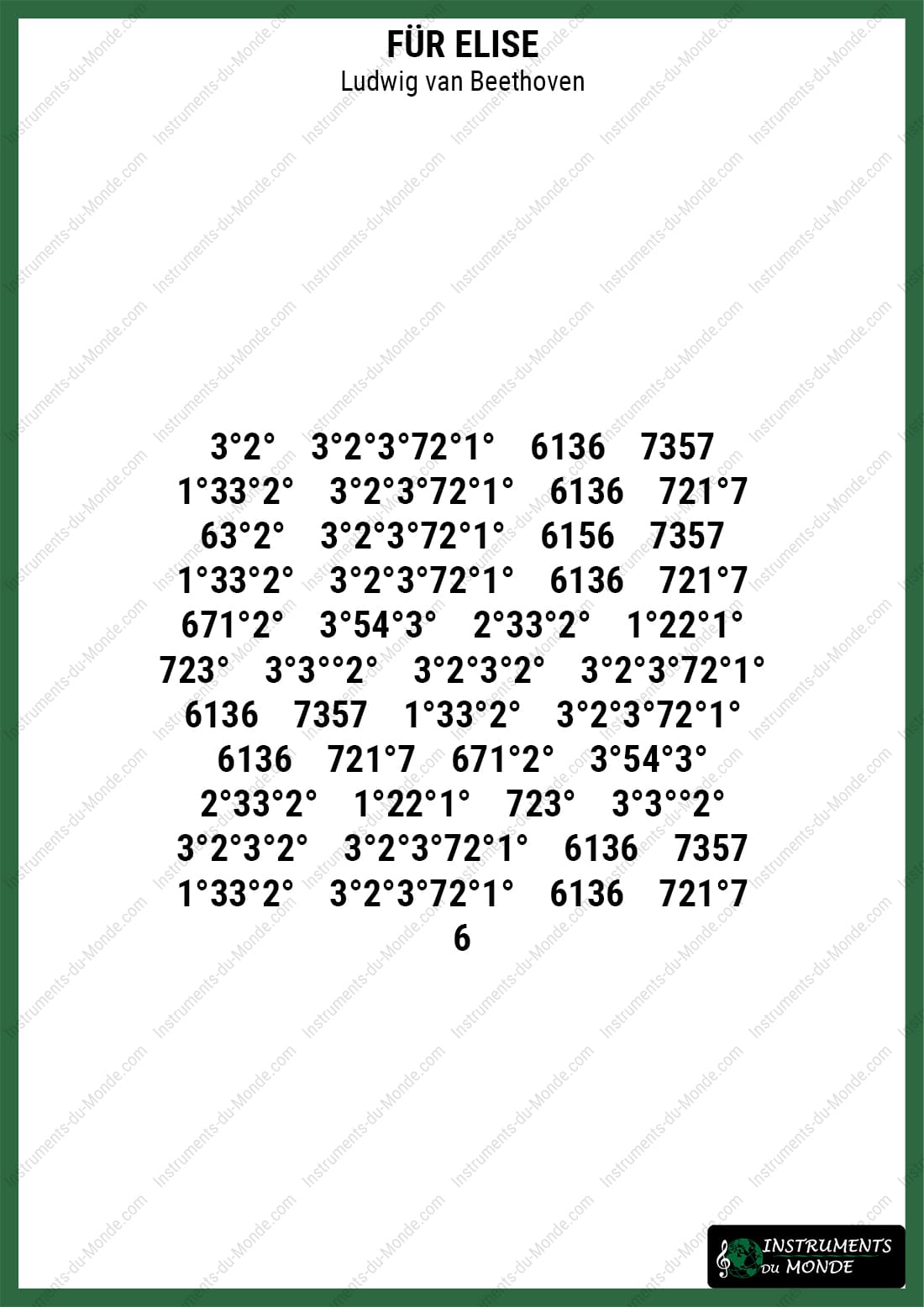
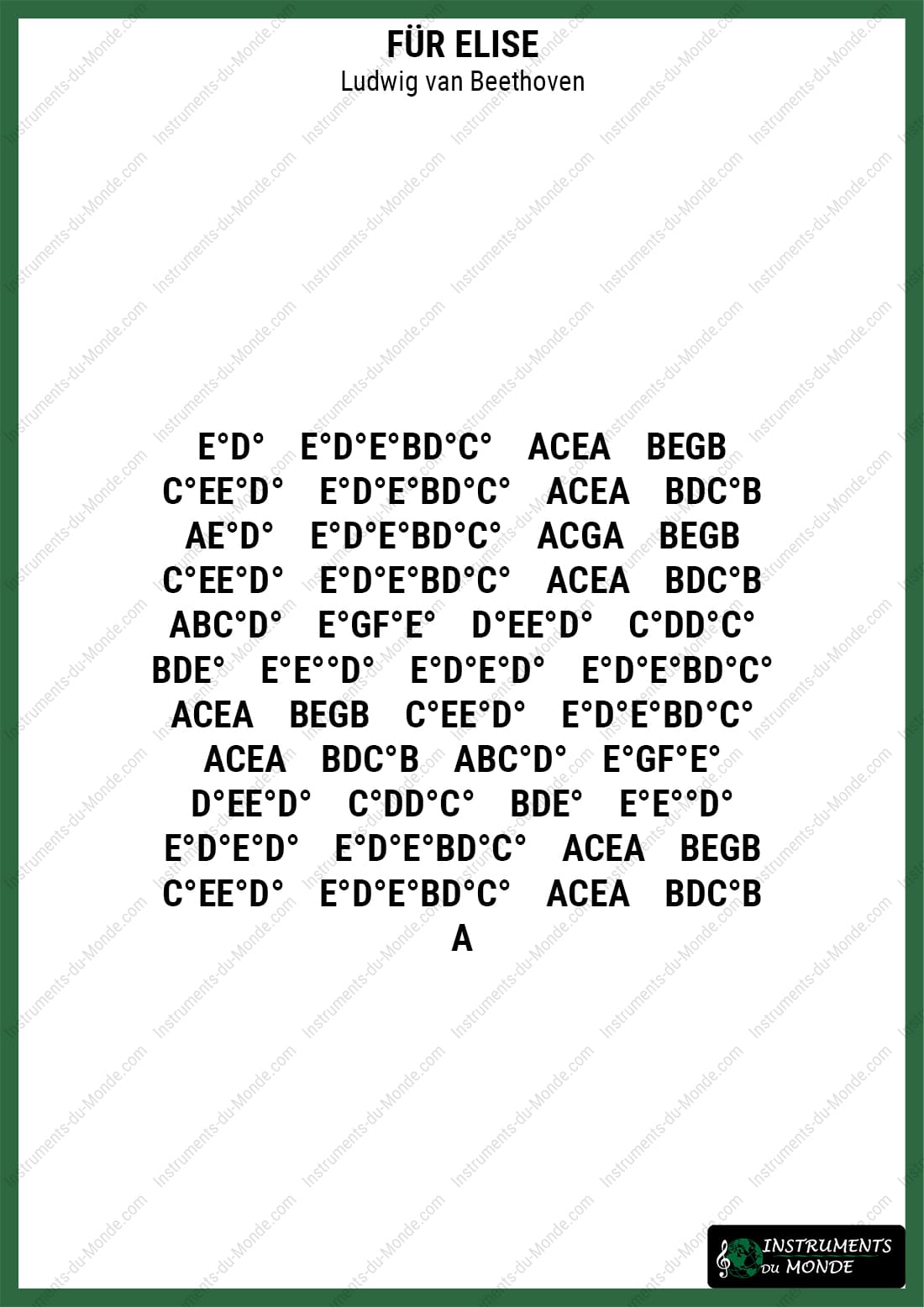
Prefer letters? Here’s a letter-based version of “Für Elise.”
You will then find a score of the same piece of music, but this time with letters so that everyone can choose the notation they prefer.
A tablature of Letter to Elise especially for the mbira
To offer more finesse to experienced kalimba players, we offer this tablature, which will allow you to significantly improve the overall quality of the melody by knowing the duration of the notes and rests.
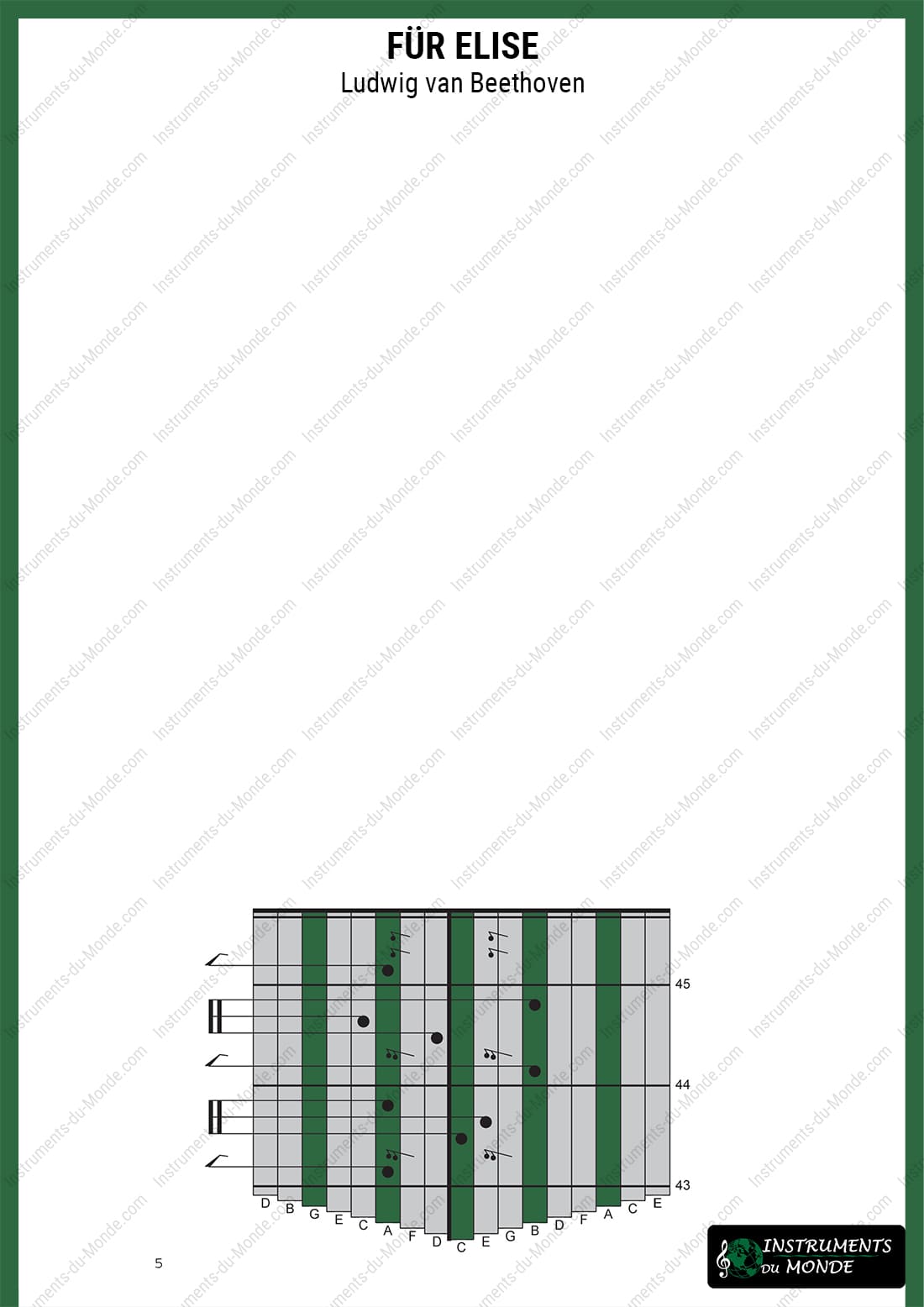
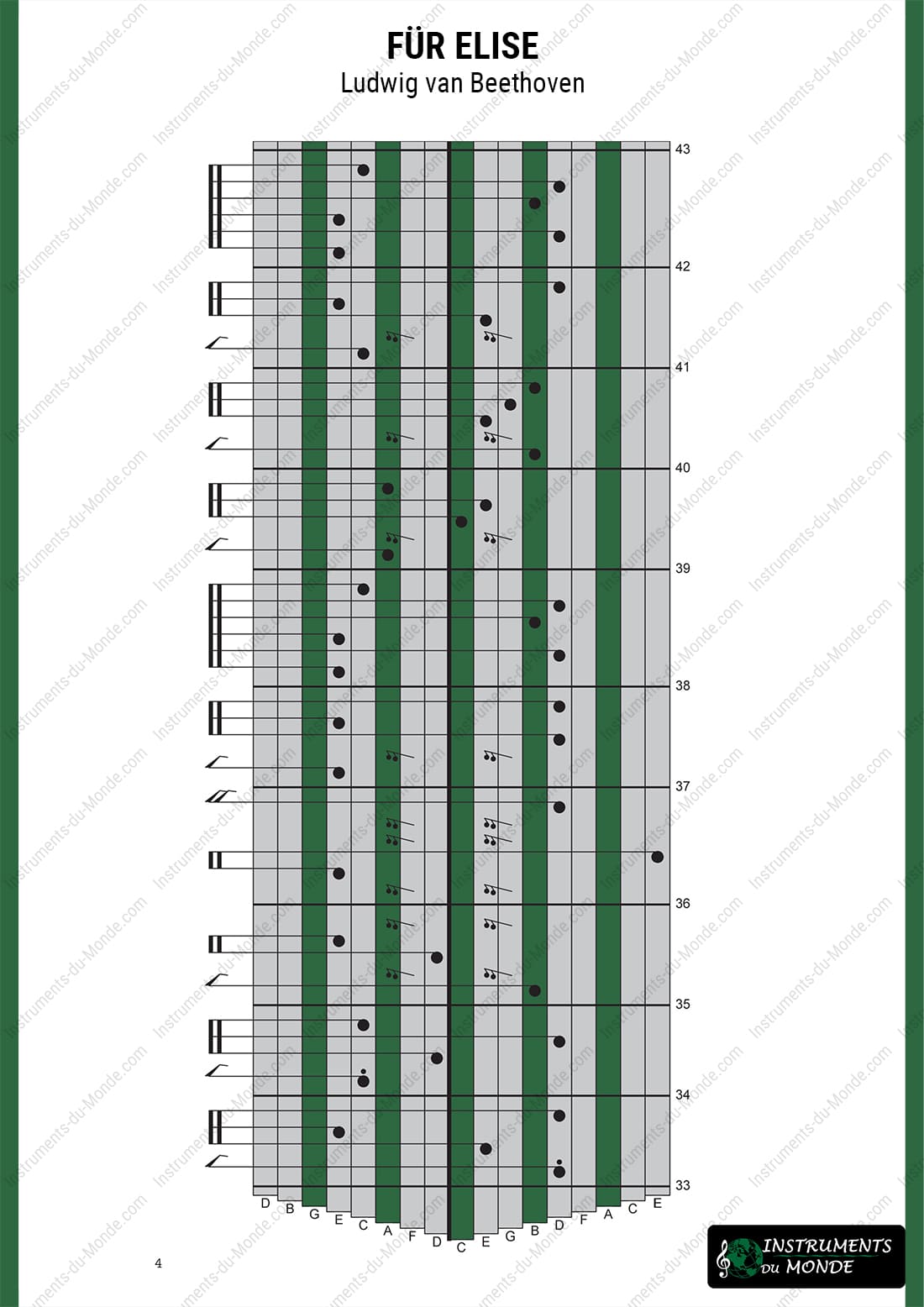
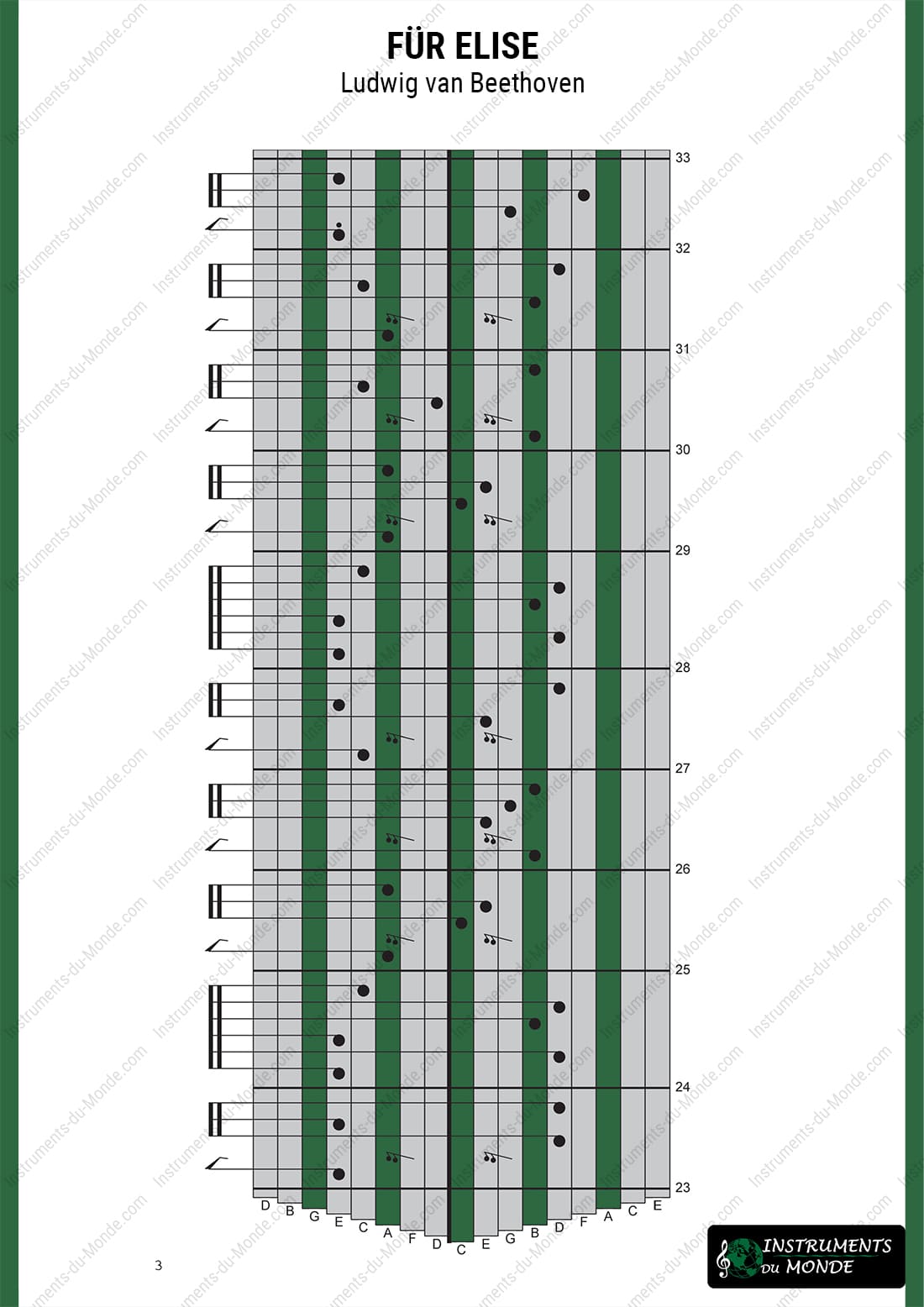
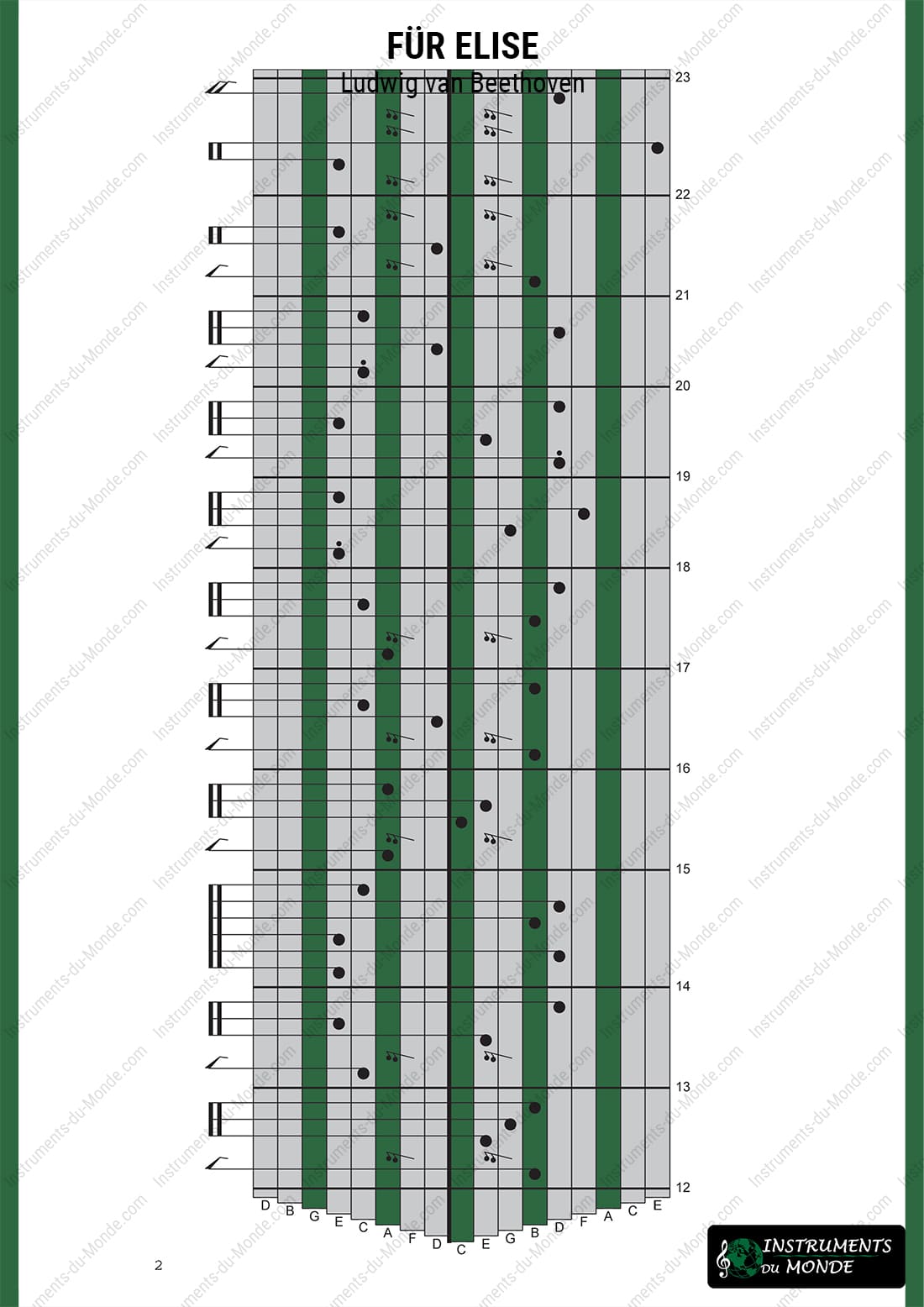
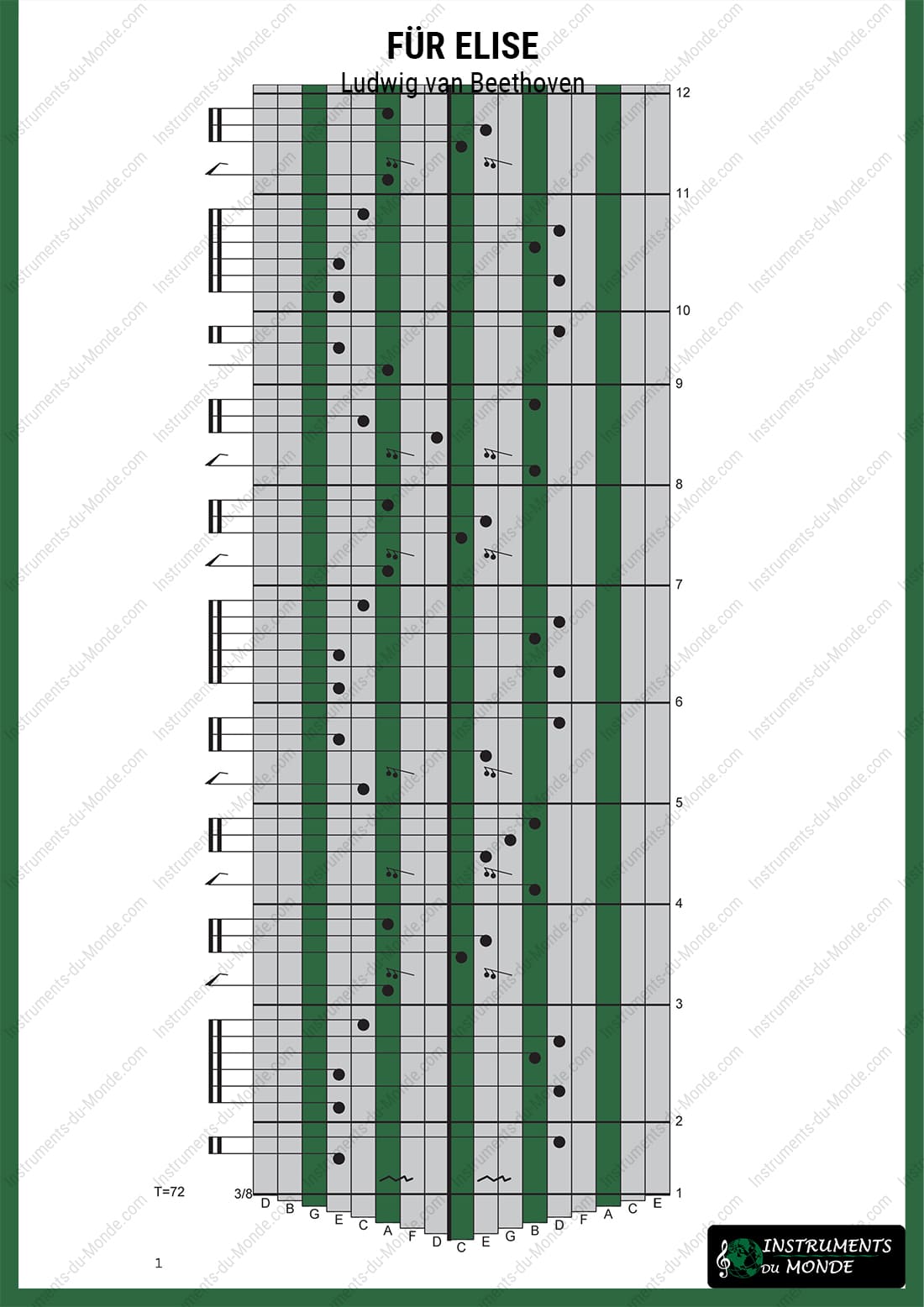
Keep all of Beethoven’s musical documents close at hand with a free PDF file
You can find paid sheet music all over the internet, but this one is free. Download the PDF file containing the sheet music and tablature for “Letter to Elise” and share it with all your musician friends.
Who composed Letter to Elise?
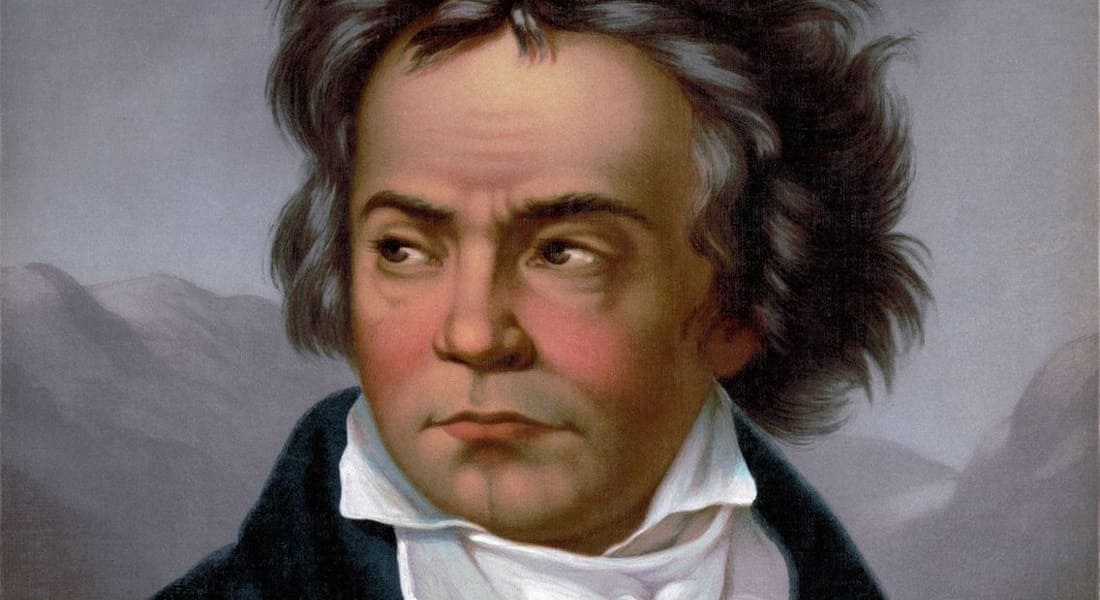
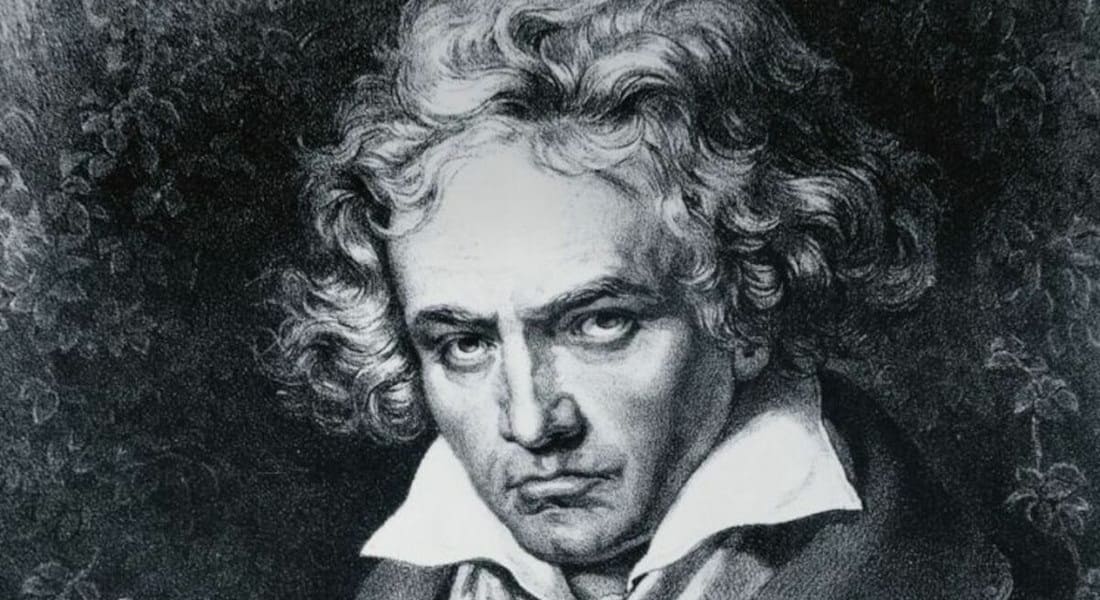
Letter to Elise was composed in its entirety in 1810 by Ludwig van Beethoven, a world-renowned German pianist and conductor. It remains one of the most iconic pieces in the history of music. He is particularly known for his symphonies, his mastery of the piano, and his compositions for string quartets.
Beethoven, who was born in 1770, began learning the piano with his father before becoming a pupil of Joseph Haydn, a highly renowned Austrian composer. He went on to give concerts that became hugely successful from 1795 onwards. Although he suffered from partial deafness from 1796 onwards, which remained unexplained until his death, he still managed to compose his first symphony, a musical composition involving a large number of instrumentalists. As his fame grew, Beethoven offered his talents to the highest bidders among the aristocracy. He experienced some financial setbacks before becoming completely deaf in 1820. However, he composed his most famous symphony, the Ninth, in 1824 before succumbing to pneumonia in 1827.
Who is Elise in Beethoven’s musical piece?
Although the piece of music called Letter to Elise was composed by Beethoven in 1810, it was not discovered until 1865 by the musicologist Ludwig Nohl. When the score was found, it was in such poor condition that only the last two letters of the title, “SE,” were legible. Ludwig Nohl published the score in 1867, attributing it to Beethoven and naming it Letter to Elise or “Für Elise” in the original language. There is no objective evidence as to why the name Elise was chosen, as there were no women with this name in the composer’s circle. It is therefore assumed that the name was chosen at random by Ludwig Nohl.
It turns out that other historians and musicologists have put forward hypotheses about the original name Beethoven had in mind. One theory suggests that the letters “SE” could be the last letters of the first name Thérèse, as there were two women with this name who were very close to Beethoven: Thérèse von Brunswick, one of his piano students with whom he had a romantic relationship for two years, and Thérèse Malfatti, a friend. Another more recent theory suggests that the score was named “Maria Eva Élise,” which is the baptismal name of the singer Elisabeth Röckel, the wife of Beethoven’s rival, the composer Johann Nepomuk Hummel, with whom he had an ambiguous relationship. The true title of this piece of music will probably remain unknown forever.
Pay tribute to Beethoven with a melodious kalimba
Beloved by the general public, Letter to Elise remains a classic that’s especially enjoyable for any instrumentalist to play. Now you have everything you need to play this piece on your kalimba. All you have to do is follow the sheet music or tablature above and practice linking the notes smoothly.
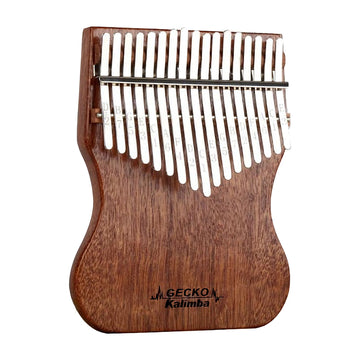
However, you’ll never capture the full finesse of Beethoven’s melodies with a low-quality instrument. With so many thumb pianos on the market, Instruments du Monde has handpicked a 17-tine kalimba from the renowned Gecko brand, crafted entirely from solid mahogany, which is ideal for playing the melody of “Für Elise.”
Enjoy the pure sounds of this Gecko kalimba by clicking on the image below:
Staying in the realm of classical music, you may be interested in playing a more recent melody on your thumb piano. We invite you to study the sheet music and tablature for the song “River Flows In You” by composer Yiruma. Internationally renowned, this piece is incredibly satisfying to play on a kalimba, just like all the classics we’ve gathered in our category of 17-tine kalimba sheet music.


