



Written by Ambre Montespan - Updated on Aug 11, 2026
Table of contents:
Have you recently heard about a musical instrument that vaguely resembles a flute, but is called an ocarina? Want to learn a little more about this unique little instrument? So what exactly is an ocarina?
As someone who’s owned several of these wind instruments for about 10 years, I’ve picked up plenty of interesting insights about the ocarina. In this article, I’ll share what I’ve learned so you can clearly understand what makes this instrument so special.
The ocarina is a small wind instrument traditionally made of ceramic that is similar to a recorder in the way it’s played. The musician blows into a mouthpiece and covers one or more holes to play different notes.
As you continue reading, you will learn:
- The origin of the ocarina
- How this instrument is made
- Other useful information about this type of flute
By the end, the ocarina won’t be a mystery anymore. You’ll easily understand how it works and where it comes from.
Now let’s take a closer look at what an ocarina is.
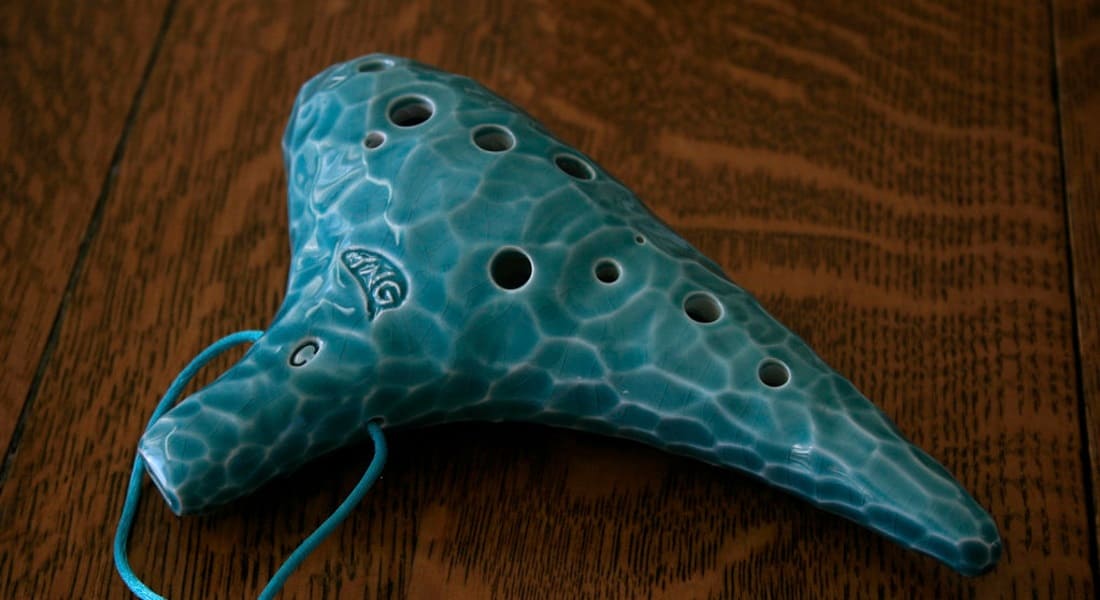
Where does this wind instrument come from?
Archaeological finds on every continent show that rudimentary ocarinas with only 2 to 6 notes were crafted in many regions of the world, including ancient Kosovo, Egypt, China, and several South American countries. The ocarina as we know it today—a fully fledged musical instrument—was developed in 1853 in Italy when Giuseppe Donati gave it a distinctive goose-head shape and added more holes, bringing the total to 10 and making it possible to play richer, more complex melodies.
Since then, the ocarina has evolved considerably. Most basic models now have 12 holes, and multi-chambered versions called double or triple ocarinas have recently been developed to expand the overall range of this wind instrument. Its popularity also grew thanks to the video game The Legend of Zelda: Ocarina of Time, released in 1998, in which the character Link uses an ocarina in his adventures. To learn more, I recommend reading this article that explores the origins of the ocarina. You’ll learn, among other things, that South American cultures played a key role in spreading this instrument throughout Europe.
How is an ocarina made?
The ocarina is made in a similar way to a classic recorder, with one major difference: the chamber you blow air into is not tube-shaped. Instead, it’s a hollow body whose dimensions and shape vary depending on the tone the maker wants to achieve. In practice, the smaller the ocarina, the higher the pitch. That compact size also makes it easy to carry and play just about anywhere.
Although the vast majority of ocarinas are made from terracotta, ceramic, or porcelain, they can also be crafted from wood, metal, plastic, or even bone. In all cases, the ocarina includes the same main parts shown in the diagram below, which features a 12-hole model with finger placement:
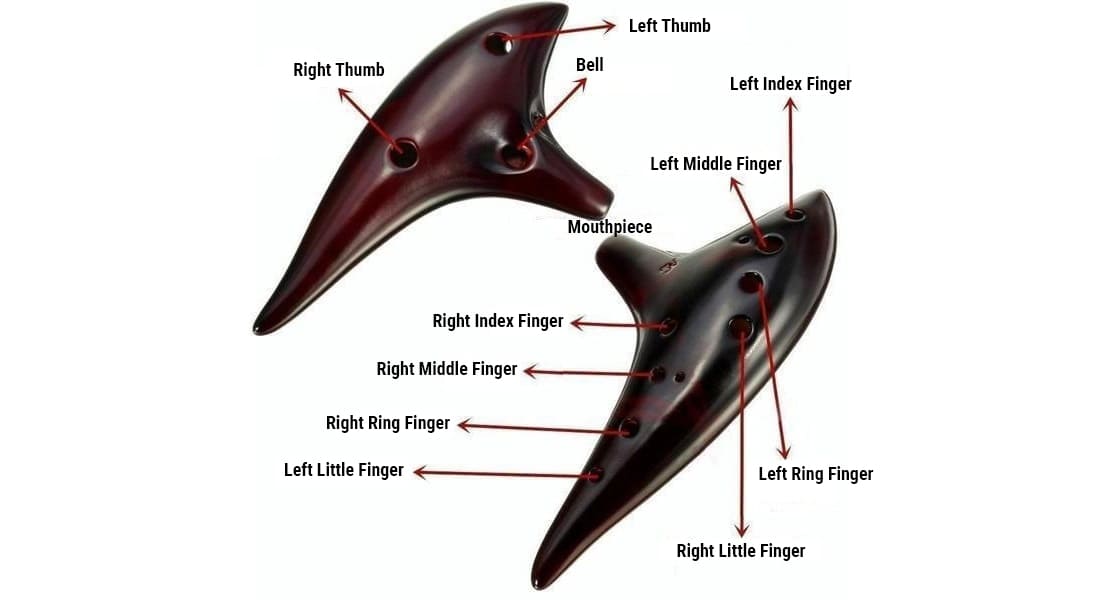
The mouthpiece is where the player blows air into the instrument. Although not visible in the photo above, the air passes through an internal chamber and whistle. It then exits mostly through the bell, the instrument’s main outlet. Finally, the holes where the musician places their fingers are called harmony, tone, or resonance holes. By covering or uncovering them, the player changes the pitch and tone. You may also find a small through-hole at the base of the mouthpiece; it simply lets you attach a lanyard or wrist strap so your ocarina doesn’t accidentally fall.
However, the ocarina can’t play as many notes as a piano. That’s why models are categorized by the pitch range they can cover. An ocarina can be soprano, alto, tenor, or bass. It’s up to the musician to choose what best fits their needs, although most beginner models today are altos.
What kind of sound does this type of flute produce?
The ocarina produces soft, ethereal tones that are uniquely shaped by its distinctive sound chamber. The best way to get a feel for it is to listen to the video below:
What is an ocarina player called?
In French, there isn’t an official, widely standardized word for an ocarina player. Many musicians use ocarinist, modeled after terms like guitarist, pianist, and percussionist, which use the suffix -ist for someone who plays an instrument.
What family of instruments does it belong to?
The ocarina is a wind instrument, more specifically a woodwind, because the player’s breath is split against an edge to produce sound—even though the instrument itself may be crafted from wood, ceramic, metal, or plastic.
How loud is an ocarina?
The volume of an ocarina depends on several factors, such as its overall size and the power of the player’s breath. Generally, an ocarina will produce around 70 decibels, which is on the quieter end compared to many other instruments.
Play beautiful pieces with an ocarina
Although it dates back to the 19th century, the ocarina remains a beautiful, somewhat underrated instrument that deserves to be better known. Often overshadowed by the recorder, the ocarina is still capable of producing stunning melodies. Thanks to this article, you now know what an ocarina is and you’ll be able to recognize one if you ever come across it.
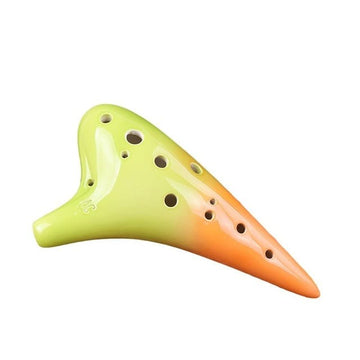
That said, stores that sell ocarinas are relatively rare. It’s not always easy to find one, even though it can produce wonderfully unusual sounds with surprising ease. To make things simple, Instruments du Monde offers more than 50 ocarina models to give you the widest selection possible—like this 12-hole model, which is perfect for getting started.
Get started right away with this exotic musical instrument by clicking on the image below:

Now that you know exactly what an ocarina is, do you know how it works? Find out in this article, which is sure to surprise you.


