



Written by Ambre Montespan - Updated on Sep 25, 2026

Table of contents:
Looking to buy a djembe but don’t know what to expect in terms of price? Wondering if your current budget can secure a high-quality example of this percussion instrument? Curious about typical market prices? How much should you plan to pay for a good African drum?
With nearly 20 years in the djembe community, I’ve had the chance to compare the prices charged by professionals many times over. In this article, I’ll help you get a clear idea of what kind of djembe you can buy based on the budget you’re ready to invest.
The price of a djembe is determined by several criteria that must be taken into consideration. These are mainly the quality, size, and material from which the instrument is made. As a result, it is possible to find djembes starting at €20 and others exceeding €500.
By reading this article, you’ll get a clear idea of the djembe you can afford with a budget of:
- From €20 to €50
- Between €50 and €100
- Between €100 and €200
- Over €200
With this knowledge, you’ll be able to focus your search and confidently choose the djembe that aligns with your budget. You’ll also know how to spot quality instruments and give solid advice to friends who want your help buying an exceptional djembe.
Let’s find out together how much a djembe can cost.
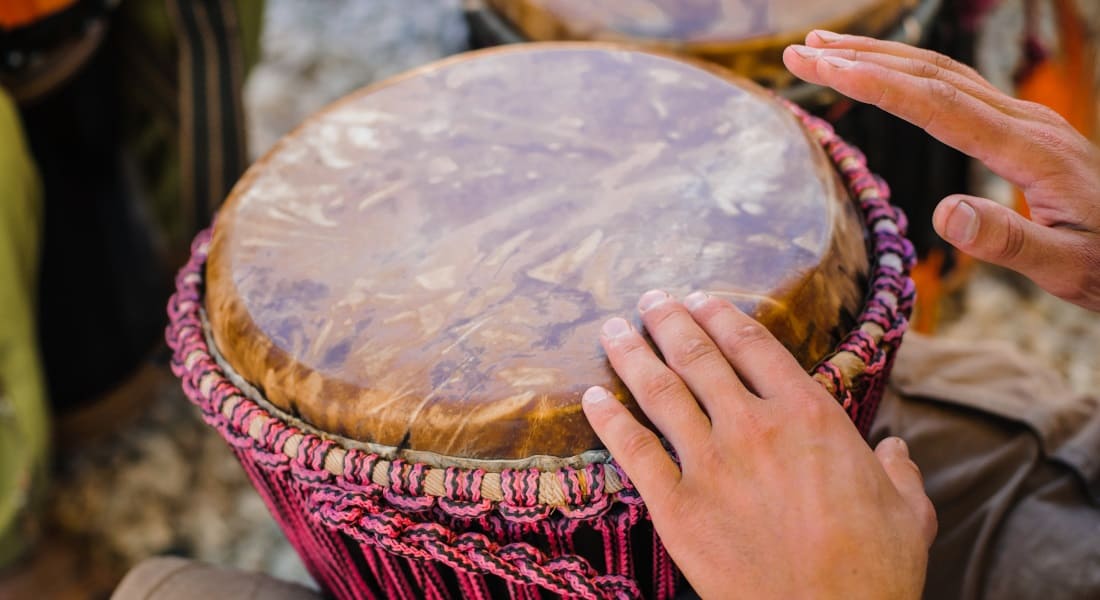
Is it possible to find a good djembe for between €20 and €50?
If you’re working with a relatively low budget, you can still find options that let you begin exploring the world of this exciting African percussion instrument without breaking the bank. However, I strongly advise against choosing djembes priced below €50 if the instrument is taller than 12 in (30 cm). These will inevitably be poor quality and won’t have good resonance. That said, a small djembe that’s about 8 to 12 in (20 to 30 cm) tall can be a solid choice at €50 or less. They’re a good fit for children and beginners who want something easy to carry, making them perfect for learning basic technique and rhythmic coordination.
Another option is to look for used djembes. However, in this price range, you will mainly find drums that were left for years without any maintenance by their previous owners before finally being listed for sale. As a result, the head (skin) on used djembes is very often damaged or even brittle, and it will usually need to be replaced quickly, along with the rope tuning. Plus, in a private sale, returns are usually not an option. That’s why it’s smart to inspect any used djembe in person before buying and to know at least a little about what to look for to avoid problems later.
Finally, keep in mind that djembes in this price range will usually have limitations in terms of sound projection, tonal nuances, and durability. However, they can be interesting for beginners who want to learn the basics of playing and discover the versatility of this instrument. Ultimately, the choice depends on your personal preferences, skill level, and expectations for the instrument. Once you’ve honed your skills and are ready to invest more, you can always upgrade to a higher-quality djembe.
What African drum can you buy with a budget of €100 or less?
With a budget of between €50 and €100, you can purchase a medium-sized djembe, roughly 12 to 20 in (30 to 50 cm) tall compared to entry-level models. This price range offers a wider range of options, allowing you to choose an instrument that will meet your needs in terms of sound, durability, and build quality.
First, you can find handcrafted djembes from countries of origin such as Mali, Senegal, or Guinea. These instruments are usually made by experienced craftsmen using high-quality local materials, including exotic woods such as mahogany, iroko, or doussie for the shell and carefully stretched goatskin heads. Handcrafted djembes offer an authentic, warm sound and better resonance.
Next, you can look for djembes with specific features, such as artistic carvings on the shell, higher-quality rope, or premium goatskin. These details can add a touch of individuality to your instrument while improving its performance. However, at this price point, it will be difficult to be truly selective in this regard. It’s a safe bet that your djembe will be relatively simple in appearance.
Nevertheless, avoid purchasing a djembe taller than 20 in (50 cm) for this amount of money. Although medium to large djembes are often preferred by professional percussionists for their versatility and their ability to project a powerful sound, it’s impossible to get a quality instrument at this price. Therefore, if this is what you are looking for, you will need to increase your budget. Finally, the price range between €50 and €100 offers you quality options that will suit both beginners and more experienced percussionists, as long as you remain reasonable in terms of size.
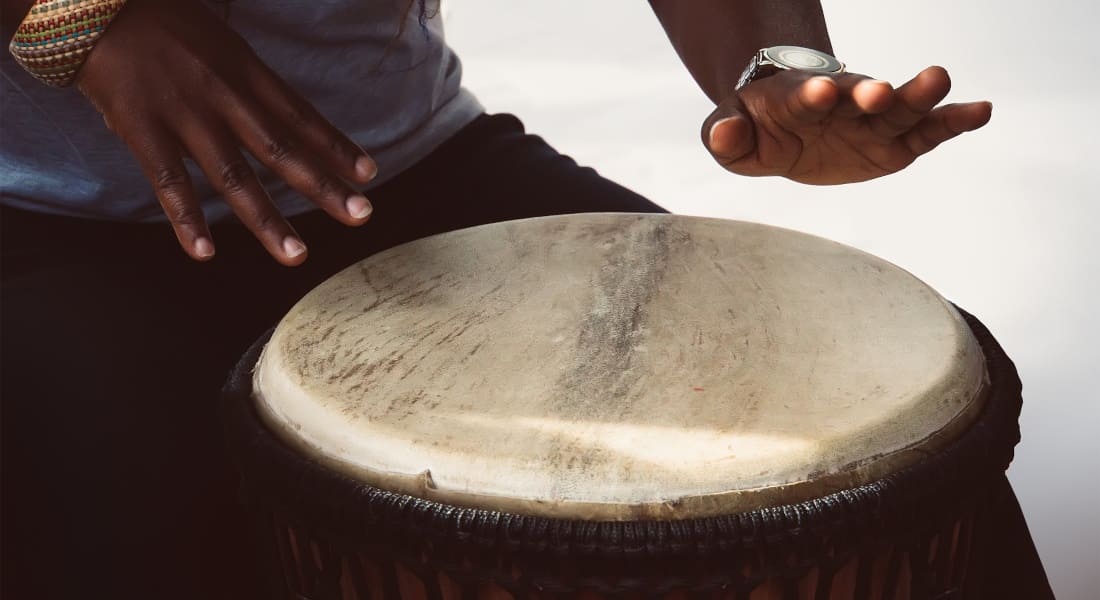
What kind of percussion instrument can you expect to get for between €100 and €200?
A budget of between €100 and €200 is a solid basis for purchasing a djembe. With this amount, you have access to a range of good quality djembes that offer an excellent balance between sound performance, quality craftsmanship, and durability. This price range allows you to choose from a variety of options to find a djembe that suits your musical preferences and playing level.
First, consider a djembe handmade by experienced artisans in the regions of origin—countries within the former Mandinka or Malinke territory—that stands over 20 in (50 cm) tall. That extra size typically gives you deeper low-end and more sonic depth. With this type of djembe, you’ll enjoy a wide range of sounds—from striking bass tones to crystal-clear treble.
Secondly, in this price range, you can also expect additional features that improve the quality and playability of the instrument. Some models may have adjustable tension systems, allowing you to customize the tension of the strings to achieve the desired sound. In addition, you may find beautifully decorated djembes in a variety of colors, adding an aesthetic touch to your instrument.
Finally, a djembe in this price range is an excellent investment for serious percussionists, whether you are a beginner eager to start with a quality instrument or an experienced musician looking to improve your collection.
Treat yourself to an excellent djembe for over €200
With this budget, you’re virtually guaranteed to find a great djembe. There are several options available, and you can choose the one that best fits your musical needs. Investing more than €200 opens the door to a selection of high-quality djembes designed to deliver an exceptional playing experience. This price range lets you explore options with superior craftsmanship, rich sound, and increased durability, which is ideal for demanding and passionate percussionists. You can also opt for a djembe with an imposing size, one that lets you cater to your musical preferences and play deep, powerful bass notes.
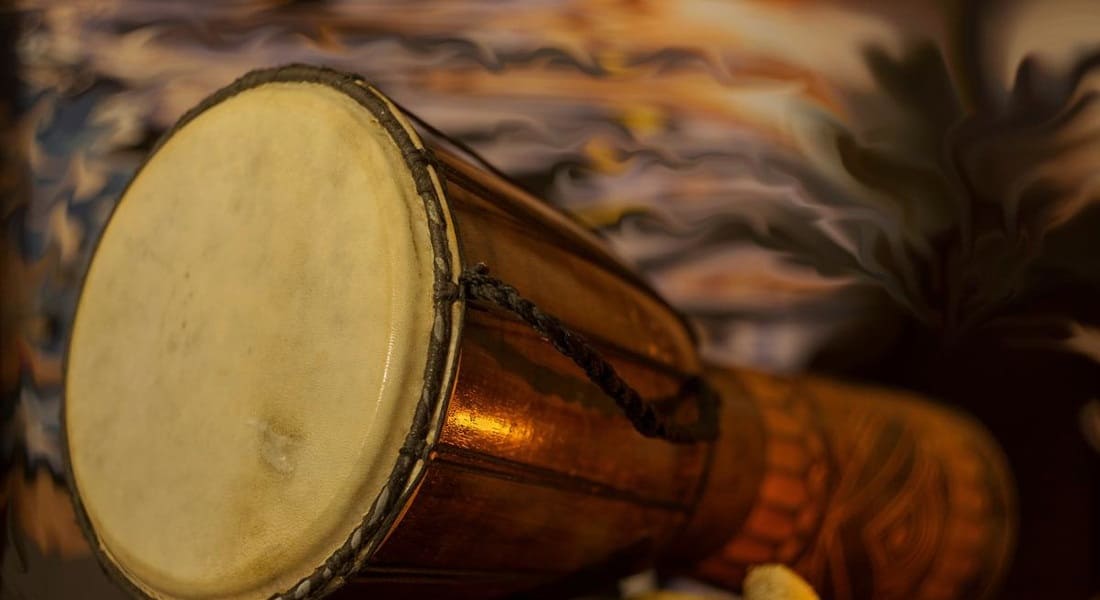
As with the previous budget, you may also choose a djembe handcrafted by renowned artisans from African regions renowned for their djembe-making tradition, such as Mali, Senegal, or Guinea. At this price point, each djembe is a true masterpiece, crafted from fine wood such as mahogany, with expertise passed down from generation to generation.
With such a budget, you can also consider having a 100% customized djembe made. This gives you the freedom to choose the skin and wood you want the maker to use to craft your djembe. You can also specify the thickness of the skin and any engravings you would like on the body of the instrument. The result is a top-quality djembe that’s as unique as your playing style.
In this price range, you can also expect exceptional features, such as high-end adjustable tension systems that let you dial in the exact sound you’re looking for. This budget can also include a carrying bag and other accessories, making it easier to protect, maintain, and transport your instrument. Plus, the aesthetics of djembes priced above €200 are unmatched. These instruments are often decorated with intricate African engravings on the shell and other designs, adding an aesthetic dimension that transforms each djembe into a true work of art.
How much does a djembe skin cost?
The price of a djembe skin can vary considerably depending on several key factors, including size, skin quality, and specific skin treatment. The skin is an essential part of this African percussion instrument, and it greatly influences the sound and overall performance of the djembe.
The quality of the goat or cow skin used is one of the most important factors that determine its price. High-quality skins, which are generally thinner and more durable, will cost more than lower-quality skins. Goat skins are prized for their warm, rich sound, while cow skins can deliver a deeper tone. Read our article on choosing a djembe skin to learn more.
As for the size of the djembe skin, this parameter varies depending on the model of djembe for which it is intended. Larger skins, suitable for large djembes, will naturally be more expensive than smaller skins designed for medium-sized djembes. In addition, the treatment of the skin, such as tanning and drying, can also influence the price. Djembe skins that have been carefully treated to ensure durability and sound stability will tend to cost more.
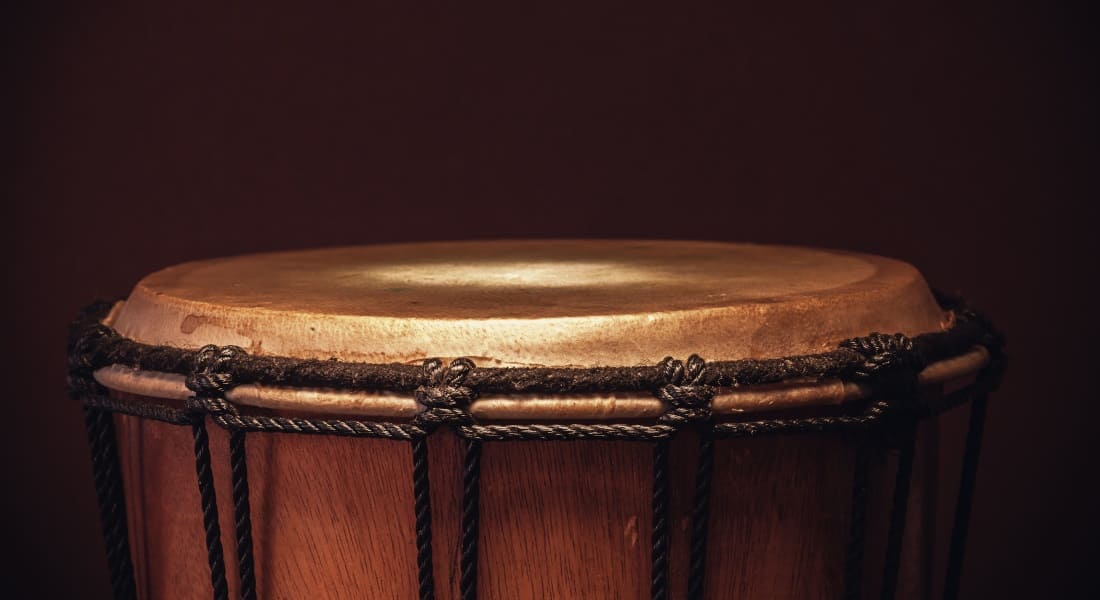
To give you a sense of the investment, a quality skin for a medium-sized djembe typically costs around €30. However, if you’re seeking a high-quality, large skin, prices can exceed €50. It’s worth noting that some professional synthetic skins can cost more than €100, but I’ve never found that price justified in terms of sound quality. Ultimately, the choice will depend on your sound preferences, your budget, and the authenticity you are looking for in your percussion instrument.
How much can you resell a djembe without a skin for?
The resale value of a djembe without a skin depends on several factors, including the quality of the shell (body of the djembe), the material (wood, fiber, etc.), the overall condition of the instrument, and the brand or manufacturer. A traditional, high-quality wooden djembe, even without a skin, can still hold some value if the shell is well preserved and the wood is of good quality or rare. In general, a djembe without a skin sells for significantly less than a complete djembe, as the buyer will have to invest in a new skin and potentially in reassembling the instrument, which can be costly and require specialized expertise. The price can vary considerably:
- For entry-level or mass-produced djembes without a particular brand name, the value could be quite low, sometimes under €50–€100, depending on the quality of the shell and the local market.
- For handmade or high-quality djembes crafted from selected wood, with good resonance and a beautiful finish, even without a skin, they could sell for between €100 and several hundred euros. Collectors or professional musicians may be interested in purchasing such an instrument to customize it.
We recommend checking specialized forums, online marketplaces, or music stores to gauge current prices for similar instruments. Taking detailed photos and providing an accurate description of the djembe’s condition, including any unique features or defects, will help potential buyers assess its value.
Prioritize quality when purchasing your djembe
The fascinating world of the djembe offers a multitude of possibilities, whether you are an enthusiastic beginner or an experienced percussionist. As this instrument is still quite exotic today, it is quite normal to wonder about the prices charged. These vary according to quality, size, and many other criteria. With the knowledge you’ve gained from this article, you now know how much to invest depending on the djembe you want to buy.
However, it can be difficult to find a professional seller of high-quality djembes. This rare instrument is not easy to find, and many low-end models are sold as quality instruments. That’s why we strongly recommend visiting Instruments du Monde, a store specializing in traditional musical instruments that offers an excellent range of authentic djembes with genuine sound.
Discover one of our African drums and browse our instrument collection today.
Do you really know what characterizes the djembe? Learn what this musical instrument is all about by reading our article entitled "What is a djembe?" You will then have the opportunity to learn much more about this African drum.
