



Written by Ambre Montespan - Updated on Sep 25, 2026

Table of contents:
Are you exploring the idea of getting a zen instrument to deepen your meditation and wellness practices? Are you wondering whether it’s better to choose a Tibetan singing bowl or a gong? Do these two sound tools really feel different? What are the real pros and cons of each of these Asian instruments?
Having used both Tibetan singing bowls and gongs for over 10 years, I’ve had plenty of time to compare these instruments. Based on that experience, I can share what I’ve learned to help you make a truly informed choice.
The gong delivers incredible sonic power, but it’s also heavier and far more cumbersome than a Tibetan singing bowl. A Tibetan bowl, on the other hand, tends to offer gentler, more precise tones.
In this article, you’ll discover:
- The origins, roles, and differences between a singing bowl and a gong
- How to choose between these two instruments based on your specific, personal needs.
- Why I personally prefer a Tibetan bowl to a gong
After reading this article, you’ll have a clear understanding of how to choose the instrument that best suits your needs and preferences, so you can get the most out of your sound-therapy sessions.
Let’s dive in and see which instrument makes the most sense for you: the Tibetan singing bowl or the gong!

What is a Tibetan bowl? What are its origins and purpose?
The Tibetan bowl, also known as a singing bowl, is a traditional musical instrument originating in the Himalayan region. It is made from various metals, often an alloy of seven different metals: gold, silver, mercury, copper, iron, tin, and lead. These bowls are generally semi-spherical in shape and vary in size, from small bowls that fit in the palm of your hand to larger bowls over 12 in (30 cm) in diameter.
The exact origin of Tibetan bowls remains shrouded in mystery and speculation. However, they are widely associated with the Buddhist tradition of Tibet. Their history dates back more than 2,000 years, and some accounts suggest that they were used by Buddhist monks in monasteries for meditation and religious rituals. The craftsmanship of making these bowls has been passed down from generation to generation, and traditional techniques are still used today.
The Tibetan singing bowl is primarily used for meditation, sound healing, and relaxation. When you strike it or rub the rim with a mallet, it produces a rich, harmonic tone that’s said to help balance the energies of body and mind. The bowl’s vibrations can bring on a state of deep calm and are commonly used in yoga practices, sound-therapy sessions, and massages. Here are some specific uses:
- Meditation: the continuous, resonant sound helps calm the mind and support concentration.
- Sound healing: the vibrations produced by the Tibetan bowl are used to harmonize the chakras and promote physical and mental well-being.
- Relaxation: the soothing tones of this Asian instrument help reduce stress and anxiety, encouraging deep relaxation.
The Tibetan singing bowl is a versatile instrument—simple yet profound—whose use transcends cultural and spiritual boundaries to bring peace and harmony into the daily lives of many practitioners around the world. You can see a Tibetan singing bowl in action in the video below:
What is a gong? What are its origins and role?
The gong is a traditional percussion instrument consisting of a large metal disc, usually made of bronze, which is suspended and struck with a mallet to produce sound. Gongs vary in size and shape, but are often circular and can range from about 12 in (30 cm) to over 3 ft (1 m) in diameter. They’re known for a powerful, deep resonance that can fill large spaces with vibration.
The origins of the gong can be traced back to ancient Asia, with archaeological discoveries suggesting their existence for over 4,000 years. The gong is particularly associated with Chinese culture, although its uses are also found in Indonesia, Thailand, India, and other parts of Southeast Asia. In China, the gong holds significant cultural and religious importance, frequently used in Buddhist and Taoist temples for rituals and ceremonies.
The gong plays several roles in musical, ritual, and therapeutic settings. You’ll hear it in orchestras, religious ceremonies, meditation sessions, and increasingly in modern sound-healing practices. Here are some specific uses:
- Music: the gong is a key element in Asian orchestral music, adding rich, complex layers of sound. It’s also used in contemporary and experimental music.
- Rituals and ceremonies: in Buddhist and Taoist temples, the gong marks important moments in rituals and meditations, helping to sanctify the space and focus participants.
- Sound therapy: the gong is prized for its deep, resonant vibrations, which can induce a state of profound relaxation and meditation. It’s used in sound baths and healing sessions to align the energies of the body and mind.
- Signaling: historically, the gong has been used to signal the beginning or end of the workday, announce important events, or attract attention during gatherings.
With its ability to produce powerful, immersive sounds, the gong goes beyond simple musical use to touch spiritual and therapeutic dimensions. Its unique tone and vibrating resonance make it a valuable tool for many practices. Watch a video featuring a gong in the video below:
What are the advantages and disadvantages of these two Asian instruments? How to choose?
Choosing between a Tibetan bowl and a gong can be a meaningful decision when you’re looking for specific tools for meditation, relaxation, or other wellness practices. Each instrument offers distinct qualities that may match different goals.
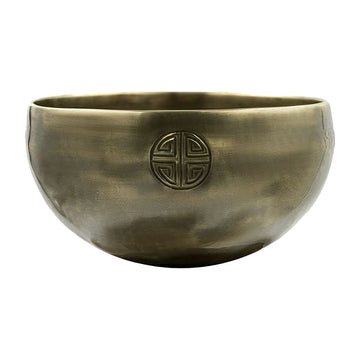
The Tibetan singing bowl stands out for its harmonious, soothing vibrations. When rubbed or struck gently, it creates an enveloping sound that encourages focus and inner balance. Tibetan singing bowls are often used solo or in sets to create an atmosphere that supports deeper meditation. For relaxation, the singing bowl is usually the top choice. Its gentle vibrations have a calming effect on the body and mind, helping release tension and ease you into a deeply relaxed state. Relaxation sessions—whether on your own or combined with other Tibetan bowls—can be especially helpful for managing stress and supporting overall well-being.
The gong can also be an excellent option for meditation, but its powerful, resonant sound can feel more intense. Some people prefer the gong for its “reset” effect, clearly marking the beginning and end of a meditation session. It offers a more dynamic, energetic sound experience, which may suit those who want a stronger sensory impact. The gong is often seen as a symbol of power and transcendence, unlike the Tibetan bowl, and its use in ancient rituals gives it rich cultural meaning. Ultimately, your choice between a Tibetan singing bowl and a gong will depend on what you’re looking for in your relaxation practice.
Is it possible to combine the use of the gong and the Tibetan bowl?
Yes, you can combine the Tibetan singing bowl and the gong in various musical, meditative, and therapeutic practices. Pairing them creates a harmonious sonic synergy that’s ideal for meditation and spiritual practice. The calming tone of the Tibetan singing bowl, complemented by the gong’s deep resonance, can enrich the meditative experience and support chakra balancing. In sound therapy, sound baths can benefit from blending the vibrations of Tibetan singing bowls and gongs, helping reduce stress and promote well-being. The vibrations produced by these instruments can penetrate deeply into the body, easing energetic blockages and supporting physical and emotional healing.
Why do I personally prefer a Tibetan singing bowl over a gong?
While combining both instruments can be interesting, if you had to choose between a Tibetan bowl and a gong, I’d recommend a singing bowl without hesitation. First, the portability of the Tibetan bowl makes it a practical choice. These bowls are generally compact and lightweight, making them easy to carry. That makes them ideal for use at home, on the go, or even outdoors during open-air meditation sessions. The Tibetan bowl is easy to handle in many situations without sacrificing sound quality. Gongs, on the other hand, are often heavy—several pounds (several kilograms)—and, most importantly, they require a freestanding stand to be played. That makes them very difficult to move.
In addition, Tibetan singing bowls are often easier for beginners to play. The technique is less demanding than playing a gong, making them a great option for anyone exploring sound instruments for the first time. The simplicity of the Tibetan singing bowl allows you to enjoy therapeutic benefits without needing advanced musical training.

In terms of cost, at the same size, Tibetan bowls are more affordable than gongs, making them a more accessible option for beginners or those on a limited budget. While you can find good singing bowls starting around $60, it’s much harder to find a gong at that price point. This makes it easier for more people to enjoy the meditative and relaxing benefits of Tibetan bowls without compromising on quality.
Finally, Tibetan bowls are often preferred for individual or small-group meditation sessions. Their soft, harmonious sound creates an intimate atmosphere that supports focus and relaxation, making them ideal for everyday meditation or one-on-one healing sessions.
Choose a high-quality Tibetan singing bowl and enjoy its many benefits
Because they share many similarities, it can be tough to choose between a Tibetan bowl and a gong as your next musical instrument. The article you’ve just read highlights the nuances and unique benefits of each instrument, even though my current preference remains the singing bowl for its portability, ease of use, price, and the tones it produces.
However, it’s not always easy to find a trustworthy shop offering multiple models of authentic Tibetan bowls. Counterfeits are common, and many are poorly made. That’s why Instrument du Monde is here to help. Specializing in traditional instruments from around the world, it offers a selection of handcrafted Tibetan singing bowls—like this one designed for sound therapy, featuring beautiful engravings made entirely by hand by Tibetan and Nepalese artists.
Discover this Tibetan singing bowl now by clicking on the image below:
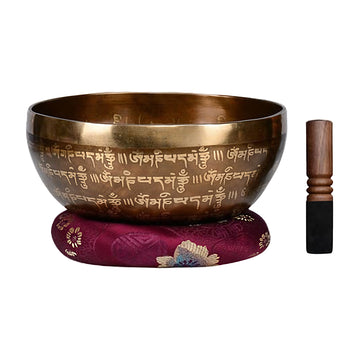
You’ll often find pictograms or representations of Buddhist deities on the inner or outer walls of your singing bowl. Each of these symbols engraved on Tibetan bowls carries deep symbolic meaning. I invite you to discover them through my article. Or you may want to learn more about this Asian instrument in general.


