



Written by Ambre Montespan - Updated on Aug 11, 2026
Table of contents:
Are you planning to buy or use a Tibetan singing bowl soon? Would you like to know first if there is a risk of tinnitus, headaches, or migraines with this percussion instrument? Are Tibetan singing bowls dangerous for your ears? Can regular use of a singing bowl cause unwanted side effects or pose a risk to your well-being?
I discovered Tibetan singing bowls more than 10 years ago, and since I experience tinnitus from time to time myself, I regularly review the scientific studies on the subject. I also personally use Tibetan singing bowls in a wellness setting and, thanks to that experience, I can shed light on this question.
Normal use of Tibetan singing bowls does not pose any risk of causing tinnitus; their anti-stress effect may even help in some cases. As for migraines and headaches, it largely depends on individual sensitivity.
By reading this article in its entirety, you’ll learn everything you need to know about the precautions to take in order to avoid tinnitus and headaches with this instrument. In particular, you’ll learn:
- Whether Tibetan singing bowls can cause tinnitus or migraines when played
- Tips for responsible use of Tibetan bowls
- Whether this musical instrument is dangerous
- Who should avoid using Tibetan singing bowls
After reading this, you’ll understand the relatively minor risks associated with using singing bowls and the precautions to take to avoid them. This will help you decide, with a clear head, whether these instruments come with potential risks depending on your personal situation and health.
Now, let’s begin by exploring this interesting topic together.
Do Tibetan bowls cause tinnitus?
Tibetan singing bowls, renowned for their soothing sounds and relaxing properties, are attracting growing interest in meditation and relaxation. However, a concerning question arises: can they cause tinnitus? Before answering it, it helps to define what tinnitus is and review the scientific reasons behind these auditory sensations.
What is tinnitus?
Tinnitus is the perception of sound in one or both ears or in the head in the absence of an external sound source. It is often described as a buzzing, whistling, ringing, or pulsing sound, although the precise description may vary from person to person. Tinnitus can be temporary or permanent, and its intensity can fluctuate. It is not a disease in itself, but rather a symptom of a variety of potential underlying conditions related to hearing, hearing damage, infections, cardiovascular disease, or even stress factors.
What causes tinnitus?
To determine whether using a Tibetan singing bowl is likely to cause tinnitus, it is essential to understand how tinnitus develops according to the latest medical research. Here are the most common causes:
- Noise exposure: exposure to loud noises, whether acute (such as at a concert) or chronic (such as working in a noisy environment), is a common cause of tinnitus.
- Age-related hearing loss: with age, there may be a natural deterioration in hearing, which can sometimes be accompanied by tinnitus.
- Ear canal blockages: accumulated earwax or other blockages can increase pressure in the ear and trigger tinnitus.
- Changes in the ear bone: bone changes in the ear, such as those caused by otosclerosis, can affect hearing and cause tinnitus.
- Temporomandibular joint disorders: problems with the jaw joint may also be related to tinnitus.
- Medications: some medications can cause tinnitus as a side effect, especially when taken at high doses.
- Underlying health conditions: various health problems, such as high blood pressure, cardiovascular disorders, diabetes, thyroid disorders, anemia, and neurological disorders, may be associated with tinnitus.
- Head or neck injuries: trauma to the head or neck can sometimes cause tinnitus.
- Ear infections: ear infections or inflammatory diseases can cause temporary or permanent tinnitus.
- Stress and anxiety: stress and anxiety can not only aggravate existing tinnitus, but in some cases can also trigger it.
It’s important to note that tinnitus can be subjective (heard only by the patient) or objective (the sound can be heard by the doctor). Diagnosis and treatment will depend on the underlying cause, so it is crucial to consult a healthcare professional for a proper evaluation.

Does the Tibetan singing bowl carry a risk of causing tinnitus?
As we discussed in the previous paragraph, the only cause of tinnitus that could be related to Tibetan singing bowls is noise exposure. Therefore, although the use of a singing bowl is beneficial for many people, it carries a potential risk of tinnitus if the bowl is used at excessive volume or too close to the ears. This can lead to listening fatigue and, in some cases, trigger temporary or permanent tinnitus. It is therefore important to avoid excessive sound levels and maintain an appropriate distance to minimize any negative impact on hearing.
Contrary to popular belief, it’s not the sometimes high-pitched tones of a Tibetan singing bowl that cause tinnitus issues, but rather the volume. It’s therefore important to stay moderate and reasonable when striking this instrument. Doctors consider that a danger exists when the sound exceeds 85 decibels. You can use a free app on your mobile phone to get a rough idea of the sound level at which it’s reasonable to use your singing bowl. That said, rest assured that the vast majority of people who practice sound therapy with this instrument never exceed this level. In fact, Tibetan singing bowls are not dangerous in themselves. You would have to strike the sides of this instrument extremely hard for it to become harmful. Finally, my last piece of advice is to choose a bowl of a reasonable size. The larger the instrument, the more likely it is to produce a higher volume. If protecting your ears is a priority, don’t exceed 8 in (20 cm) in diameter.
In my opinion, Tibetan singing bowls could even have positive effects on tinnitus. According to current medical research, some tinnitus can be triggered by stress. Tibetan singing bowls are well known for their calming and relaxing benefits. Several studies have shown that using this Asian instrument can lower blood pressure. Therefore, if you experience tinnitus and it’s linked to stress, a singing bowl could be a positive addition to your day-to-day well-being. However, no medical research has truly focused on this specific question.

Can a singing bowl cause migraines or headaches?
Tibetan singing bowls, often praised for their relaxing effects, raise questions about a possible correlation with headaches and migraines. Let’s first discuss what a migraine is and what its possible causes are before considering the role of singing bowls in this context.
What is a migraine and what causes it?
A migraine is a type of primary headache characterized by pain that is usually unilateral (affecting one side of the head) and throbbing, ranging from moderate to severe in intensity. Migraines are usually accompanied by other symptoms such as sensitivity to light (photophobia), sensitivity to sound (phonophobia), and sometimes nausea or vomiting. They can last from a few hours to several days.
Migraines are distinguished from other types of headaches by their specific characteristics and associated symptoms. The exact cause of migraines is not fully understood, but they are thought to result from a combination of genetic and environmental factors. Changes in brain activity are also involved, as well as interactions between the nerves in the brain and blood vessels. Migraine triggers can vary from person to person and may include certain foods, stress, hormonal changes, strong sensory stimuli, changes in sleep patterns, and other environmental factors.
Can playing this percussion instrument trigger headaches?
Noise can trigger migraines in some people. Those who suffer from migraines may have increased sensitivity to environmental stimuli, and noise is one such stimulus that can trigger or worsen a migraine. This sensitivity varies from person to person; for some, loud noises or even constant noise at a more moderate volume may be enough to set one off. Regarding Tibetan singing bowls, there is no clear scientific consensus or widely recognized studies that establish a direct link between playing these musical instruments and triggering migraines. However, it is plausible that some individuals may be more sensitive to the sound and vibratory effects of Tibetan bowls.
Migraines can be triggered by a variety of factors, including certain sensory stimuli. For some people, loud or unusual sounds can trigger or aggravate migraines. Thus, if a person is particularly sensitive to sounds or vibrations, it is possible that the sounds produced by Tibetan singing bowls could, in some cases, contribute to triggering a migraine. Reactions to these sounds can vary greatly from person to person. Some may find the sounds of Tibetan bowls extremely soothing and beneficial, while others may find them uncomfortable or even painful, depending on their personal sensitivity and susceptibility to migraines.
If you’re concerned about using a singing bowl, the only real way to know is to try it and see how you feel. If using a Tibetan singing bowl seems to bring on migraines, it’s best to stop using it and consult a healthcare professional.
Can Tibetan bowls be used to treat migraines?
Just as in the case of tinnitus, Tibetan singing bowls are known to promote relaxation and well-being. When it comes to treating migraines, there is no solid scientific evidence to suggest that using Tibetan bowls can directly cure or treat headaches. However, some theories and personal experiences suggest that the relaxing and soothing effects of Tibetan singing bowls may help relieve symptoms associated with migraines, such as stress and tension, which are factors that can trigger or aggravate migraines.
Relaxation and stress reduction are recognized strategies for helping to manage the frequency and intensity of migraines and headaches. As part of a comprehensive stress-management and relaxation program, Tibetan singing bowls may play a complementary role for some people. If you experience frequent or severe migraines, it’s best to consult a qualified healthcare professional for diagnosis and treatment options. Alternative or complementary methods, such as Tibetan singing bowls, can complement—but should not replace—conventional medical care.
What are some tips for using Tibetan bowls while protecting yourself from tinnitus and migraines?
Using Tibetan singing bowls effectively can be a rewarding experience, but it is important to do so in a way that avoids discomfort, including tinnitus and migraines. Here are some tips for getting the most out of this practice while preserving your hearing health and overall well-being:
- Adjust the volume: make sure that the sound emitted by your singing bowl is neither too loud nor too close to your ears. A moderate volume allows you to enjoy the soothing vibrations without risking tinnitus or migraines.
- Limit the duration of use: even though the relaxing effect of Tibetan bowls is noticeable, prolonged use can sometimes trigger migraines in some sensitive people. Opt for short sessions at first and gradually increase the duration if you do not feel any discomfort.
- Choose a high-quality bowl of a reasonable size: Tibetan singing bowls made from high-quality materials reduce the risk of unwanted vibrations. Avoid cheap imitations that may produce discordant sounds that can cause headaches. In addition, a bowl under 8 in (20 cm) in diameter will typically produce a lower volume than a much larger one.
- Find a quiet environment: using this Asian instrument in a peaceful place helps maximize the benefits while reducing the risk of migraines. Avoid noisy environments that could disrupt your experience.
By adjusting the volume and session length, choosing a quality bowl, and creating the right environment, you can fully enjoy this practice without compromising your comfort or triggering migraines.
Select a high-quality Tibetan bowl for ideal sound-based relaxation
Tibetan singing bowls are relatively harmless sound objects. You simply need to have a good instrument and use it responsibly, as with any sound-producing device. This will help you avoid unwanted effects such as tinnitus and migraines. With the tips you’ve just discovered in this article, you can use your singing bowl with peace of mind and enjoy all its benefits.
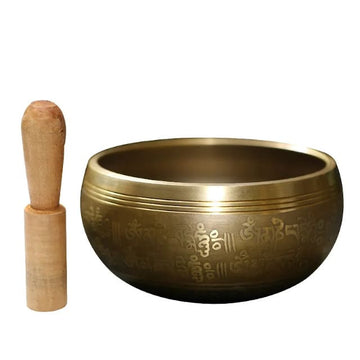
However, shops offering good Tibetan singing bowls with a wide selection are still rare. That’s why I personally recommend Instruments du Monde. The expertise of this shop is there to guide you in your choice, ensuring that your experience with these ancient instruments is one of serenity. Opt for harmony and quality with, for example, this sumptuous seven-metal Tibetan singing bowl.
Discover this instrument now by clicking on the image below:
Did you know that our animal friends can also enjoy the benefits of singing bowls? Discover the appropriate methods for using Tibetan bowls on dogs, cats, and other animals. You will then create a real connection with your furry friend. In addition, consult our general guide to Tibetan bowls to discover all the useful information about this Asian percussion instrument.


