



Written by Ambre Montespan on May 2, 2022 · Updated on Oct 15, 2026

Table of contents:
Do you own a Tibetan singing bowl, or are you planning to buy one soon, and want to know how to use this instrument for healing? Are there specific techniques for using this object for therapeutic purposes? What can singing bowls actually help with? And does it really work?
Having used singing bowls for over 10 years now, I quickly became interested in the healing properties of this fascinating traditional instrument. I’ve used bowls extensively to help with certain issues, both for others and for myself. As a result, I can answer most of the questions you may have about using this mysterious instrument for therapeutic purposes.
To support healing with a Tibetan singing bowl, incorporate it into meditation or a sound massage. Both practices can benefit physical and mental well-being.
Once you have read this entire article, you will finally discover:
- That Tibetan singing bowls really can be used for healing
- The different techniques for healing with this musical instrument
- Which singing bowls are specifically designed for therapeutic use
The medicinal properties of Tibetan singing bowls will no longer hold any secrets for you, and you’ll know how to use this instrument to enhance your quality of life.
Let’s begin our exploration of this interesting subject right now.
Is it really possible to heal using a Tibetan singing bowl?
It is entirely possible to support your well-being with a singing bowl. However, this instrument is far from a miracle cure and will not “heal” serious illnesses that require appropriate medical care, such as cancer or Parkinson’s disease. That said, it can be an excellent complement in that context, especially for helping to ease pain. First, let’s take a closer look at what has been validated by various scientific studies on Tibetan singing bowls, and then we’ll explore the more controversial effects, particularly those related to the chakras.
The benefits of singing bowls examined by science
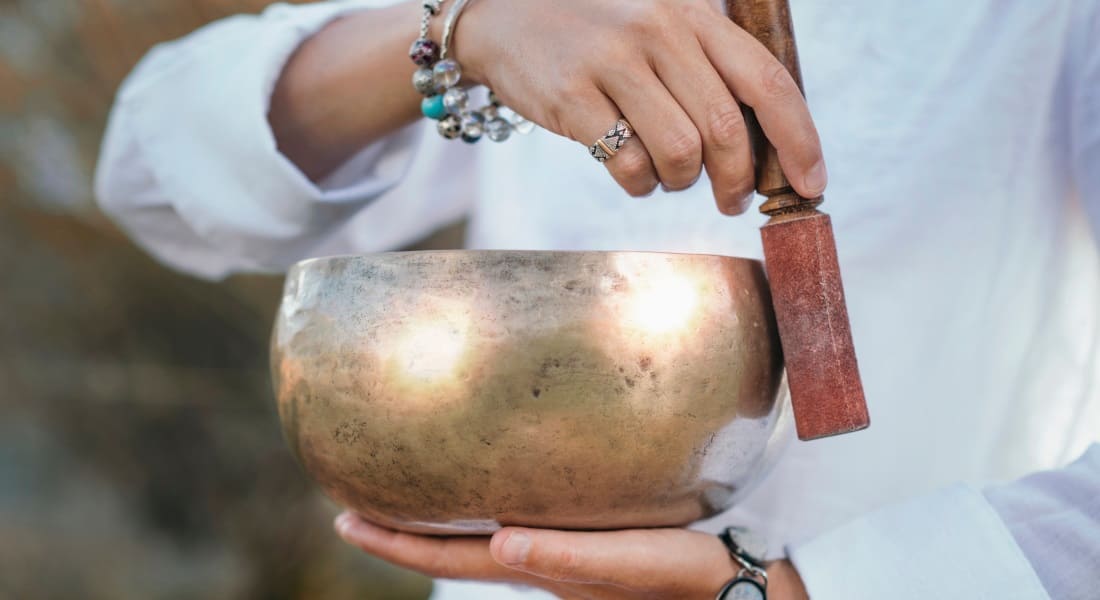
Sound therapy is a relaxation-focused wellness practice that uses sound vibrations for therapeutic purposes. It is similar to music therapy, which relies on a wider range of instruments—often more complex than a simple bowl that can produce only two or three notes—and is overseen by professional organizations. Because Tibetan singing bowls produce powerful vibrations, they’re often used in sound therapy. Both music therapy and sound therapy have been studied to better understand their benefits. While more data is still needed—especially since measurements vary widely from study to study and sample sizes remain small—several positive effects have already emerged.
For example, using a singing bowl for therapeutic purposes has been found to improve mood, reduce anxiety, and contribute to pain relief. Improved sleep has also been noted in people who suffer from insomnia. In addition, some studies emphasize improved cognitive skills and suggest that sound therapy may help people cope with grief or support childbirth. However, these latter points still need to be confirmed by further research. Overall, Tibetan singing bowls can be an excellent way to improve your quality of life in general or help you navigate a particularly painful and/or stressful situation.

The more debatable effects of the instrument on the chakras
According to Tibetan tradition, singing bowls are made from seven metals that correspond to the seven major chakras in the human body. If you would like to learn more about the nature of the seven-metal alloy used in Tibetan bowls, please see our article on the subject. Chakras originate from a Hindu belief that each of these points is a center of light and energy, as important as traditional organs of the human body, such as the heart or lungs. By using a Tibetan bowl, it would then be possible to influence the chakras to harmonize or balance them, resulting in various physical and psychological benefits.
The challenge is that, although some people claim to be able to feel their chakras, no scientific studies have been able to confirm or deny their existence. Consequently, it is not possible to guarantee that all the benefits associated with chakras, which are generally cited by all Tibetan singing bowl sellers, will be present. It all depends on your sensitivity in this area, although I remain convinced that a certain form of energy circulates in the body and that it responds quite positively to the vibrations of Tibetan bowls.

How can you nurture your body and mind with this musical instrument?
There are two main ways to support your body and mind with a Tibetan singing bowl. The first involves using this instrument as part of meditation, while the second focuses on the vibrations produced by this object through sound massage.
Can you meditate with a Tibetan bowl to maintain your health?
Meditation is a well-known mental practice that involves finding a moment of calm by focusing your attention on the present moment. The goal here is to stop projecting yourself into the future or dwelling on the past. While there are many ways to achieve a meditative state, which offers numerous benefits such as stress reduction and improved concentration, many practitioners find that a Tibetan bowl helps them reach this state more easily.
First, find a quiet place to meditate. Wear loose, comfortable clothing. It is customary to sit in the lotus position, with your back straight and your legs crossed, holding the bowl in your non-dominant hand and the mallet in the other. You can also place the instrument on a cushion designed for this purpose. Alternatively, hold the singing bowl with your hand open to allow it to vibrate and hold the mallet like a pen. While there are many ways to achieve a contemplative state, my favorite is the mantra. This technique involves repeating an action, in this case the sound of the singing bowl, and focusing on it to enter a meditative state.
You can close your eyes or focus your gaze on a fixed point without looking away, then play the Tibetan bowl by striking it or making it sing, concentrating on the vibrations you feel and the sounds produced. Repeat the action as many times as necessary, trying to remain as consistent as possible in the intensity with which you play the instrument. Focus on your breathing so that it stays as steady as possible, then let your thoughts drift away. Watch a video example of what is expected from this exercise:
It may take a while to be able to meditate using this method. It could take a few minutes or several hours of practice. It depends on the individual. But remember that consistency is key when it comes to meditation. It is much more beneficial to spend 10 minutes a day meditating with your instrument than three hours once a month. After a while, you will reach a contemplative, almost dreamy or pensive state, and you will enjoy all the benefits of using singing bowls and meditation.
How can sound massage be used as a treatment with Tibetan singing bowls?
The second technique, also well known in the use of Tibetan bowls for healing, is sound massage. This practice is usually performed by a third party, sometimes a professional, who massages you with the bowls’ vibrations—similar in intention to a traditional massage, but using sound and resonance rather than hands-on pressure. Just like a traditional massage, you can also do a form of self-massage with a singing bowl, though it can be harder to fully relax this way.
Usually, the practitioner will start with a brief consultation to discuss your expectations and any specific issues or blockages you may have, then tailor the session to address these points with the bowls. The recipient can stay fully clothed and will be asked to lie face down or face up. Guided by the earlier discussion, the practitioner will place various bowls on different parts of the body, then gently strike each singing bowl with a mallet to release vibrations that the recipient can clearly feel. The bowls can also simply be placed next to the person's body without necessarily touching them. In addition, other instruments such as chimes or gongs can complement the sound massage. Watch how a professional performs this type of massage.
Professionals and enthusiasts often choose singing bowls that vary in size, material, and musical note depending on the body area or chakra they want to focus on. In reality, there are almost as many techniques as there are practitioners. The ultimate aim is the same: to foster deep relaxation and a sense of calm.
Are some Tibetan bowls better than others for healing?
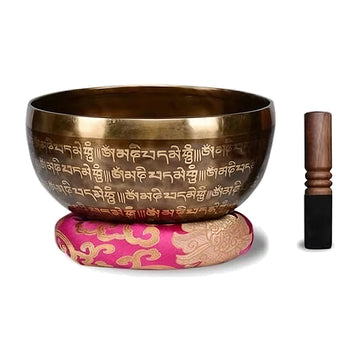
According to certain beliefs, Tibetan bowls made from an alloy of seven metals or those crafted from quartz crystal may offer especially beneficial healing properties. Let’s address this right away.
Do Tibetan bowls made from seven metals have medicinal properties?
Singing bowls made from an alloy of seven metals are, as we have already mentioned, linked to the seven major chakras of the human body. Thus, playing a Tibetan bowl made from seven metals is said to bring about a general harmonization of all the chakras. Because there is no scientific data confirming the existence of chakras, there is currently no proof that seven-metal bowls are better healing tools than those made of bronze.
It all depends on your own beliefs on the matter. If you’re convinced that chakras don’t exist, a seven-metal Tibetan singing bowl may not be the right choice for you. On the other hand, if you believe in chakras or are open to exploring them, it can be interesting to try one and see how it resonates with your body and mind.
Why are quartz crystal singing bowls used in specific therapies?
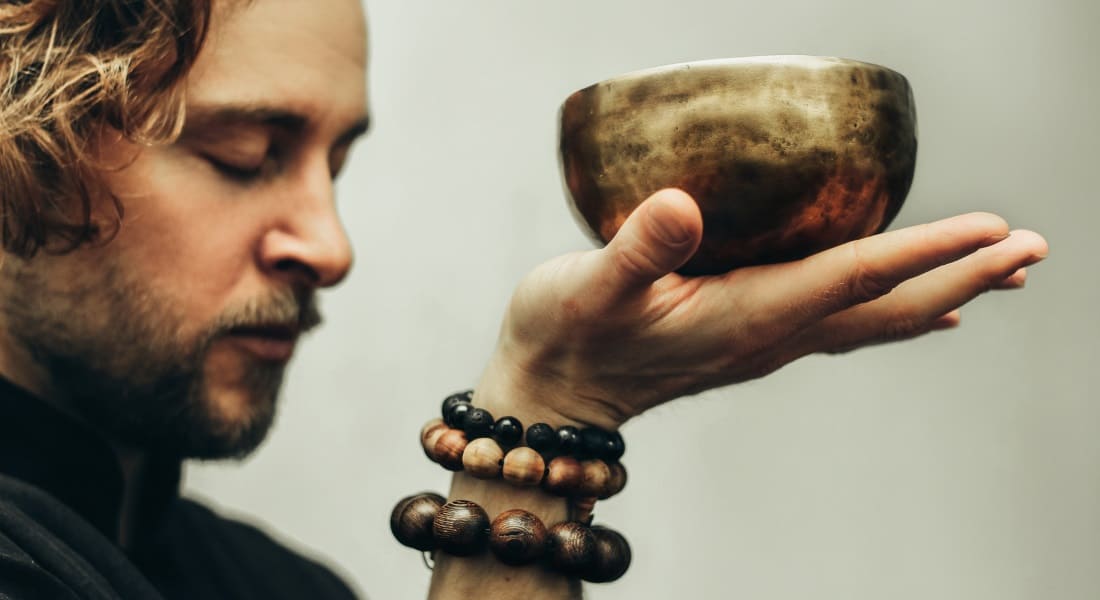
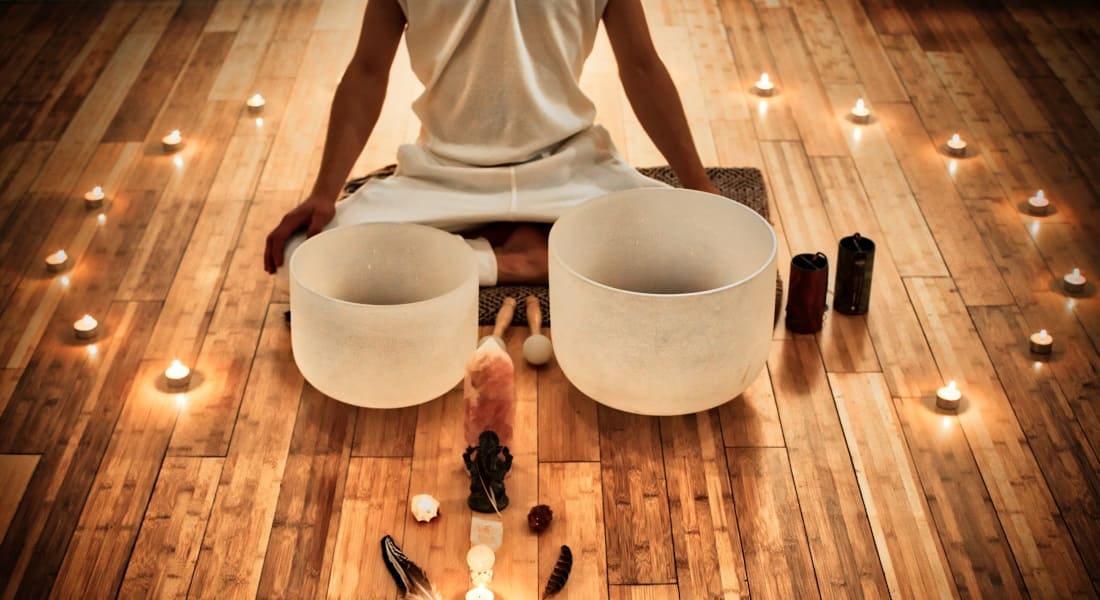
Unlike Tibetan bowls made of seven metals, which are connected to the seven main chakras, quartz crystal singing bowls are crafted from this single material. That purity allows each bowl to be tuned to a very specific frequency during production. For example, if you want a singing bowl to work exclusively on Muladhara, the root chakra, you will need to choose a bowl tuned to the musical note C. See this other article, which will tell you which chakra each musical note corresponds to. Consequently, our answer regarding crystal singing bowls will be exactly the same as for those made of seven metals, as described in the paragraph above, since it still concerns the chakras. The only difference is that while seven-metal bowls are more generalist for all chakras, crystal bowls specialize in just one of them.
Finally, with crystal bowls, you can also choose the exact frequency of the musical note the instrument will produce. While the reference frequency in Western music is 440 hertz, some people believe that other frequencies, such as 432 or 528 hertz, have therapeutic properties. The 432 hertz frequency, known as Verdi’s frequency, is said to be connected to nature, and many professionals incorporate music tuned to this standard in their healing work. However, studies on these different frequencies are still rare, and it isn’t currently possible to confirm whether these theories are true or false. As with chakras, it’s best to rely on your own personal experience, or that of your loved ones, to form your opinion on the matter.
How much does a Tibetan bowl session cost?
Therapists typically charge between $45 and $80 for a one-hour session. You may find discounts when booking with a partner, joining a group, or purchasing a package of ten sessions. Ultimately, the fee is set by the professional.
Can you enjoy a Tibetan singing bowl treatment remotely?
While it may be interesting to listen to the sound of singing bowls via platforms such as YouTube, this is no substitute for a physical, in-person session. The full range of sounds and vibrations can never be faithfully reproduced through your speakers or headphones. That said, if you can’t afford a session with a therapist, simply listening to Tibetan bowls online can still help you relax and feel calmer.
Take care of your health with a singing bowl
As we’ve seen, while some of the benefits of Tibetan singing bowls have yet to be proven, others are well supported by reliable sources. This musical instrument can therefore be considered part of a healing approach, as long as you remain aware of its possibilities and limitations. Whether through meditation or sound massage, you now know how to heal with a Tibetan bowl.
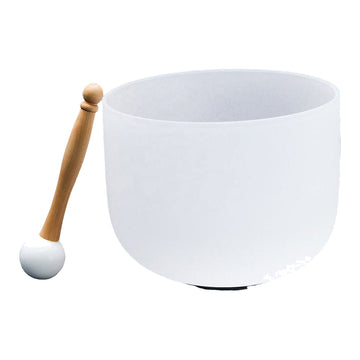
However, it’s worth noting that in the world of singing bowls, each bowl serves a specific purpose. Few shops offer a wide enough selection to ensure everyone finds the bowl that truly matches their personal needs. At Instruments du Monde, you can choose your future instrument from more than 200 options, such as this quartz crystal singing bowl tuned to 432 hertz, where you can select the musical note you want.
Discover this wonderful singing bowl now by clicking on the image below:
Knowing the techniques and methods for healing with your instrument is a good thing, but do you really know all the benefits and virtues attributed to Tibetan bowls? We invite you to discover them with us, based on scientific studies that have examined the subject. You will also surely be interested in this comprehensive article about singing bowls.


