



Written by Ambre Montespan - Updated on Mar 16, 2026
Table of contents:
Have you just discovered a brand-new musical instrument called a Tibetan singing bowl and would like to learn more about this enigmatic object from Asia? Are you already familiar with singing bowls, but want to deepen your knowledge on the subject? How do you choose your future bowl from among all those available?
As someone who’s been passionate about Tibetan singing bowls for over 10 years, I’ve examined this percussion instrument from every angle. I’ve also used it countless times in a wide range of settings, so I’m in a great position to answer the questions you may have.
Once you have read this article in its entirety, you will know:
- What exactly a Tibetan singing bowl is and where it comes from
- What health benefits this musical instrument offers
- How to select the best singing bowl
- How to use this very special percussion instrument
The Tibetan singing bowl will no longer hold any mysteries for you. You’ll learn everything there is to know about it so you can answer questions from friends and family and choose the right model based on your needs.
Let’s now take a closer look at this wonderful object: the Tibetan singing bowl.
What is a Tibetan bowl?
Though it may appear simple, even simplistic, it actually conceals a richness and complexity all its own. It is therefore important to define what a Tibetan singing bowl is before discussing its origins, the various methods used to make it, its special composition of seven metals, and finally the various ways of recognizing a genuine example.

What is a Tibetan bowl? How would you define it?
The Tibetan singing bowl, also known as a singing bowl, is a percussion instrument belonging to the idiophone family. It is generally shaped like an upside-down bell or, more simply, like a traditional kitchen bowl. It should be noted that there are two main families of Tibetan bowls: those made of a gold- or copper-colored metal alloy and those made of quartz or rock crystal, which are either transparent or whitish in appearance.
The singing bowl is played with an accessory that strikes it to produce sound. This accessory is either stick-shaped and called a "puja" or a striker, or it can be a padded beater, often called a mallet. The type of accessory you choose depends on the bowl’s size as well as the sounds you want to create. Watch a musician play a Tibetan bowl with a mallet in the video below:
If you watched this video to the end, you will have noticed that there are two ways to produce sounds with this instrument. The first is called "striking" and simply involves tapping the bowl sharply with the mallet, while the second, called "rubbing," involves continuously rubbing the rim of the bowl with the "puja." Using this latter technique, the musician makes the bowl "sing," hence the name "singing bowl."
If you’d like to go even deeper into what a Tibetan singing bowl really is, check out our article detailing all the little features of this fascinating instrument. You’ll then be able to recognize it at a glance.
What are the origins of this percussion instrument?
While the origin of quartz crystal singing bowls is not in dispute, as they were created very recently in the 1980s when modern technology made it possible, the origin of Tibetan metal alloy bowls is more difficult to pin down. This is simply because the first written records of this instrument date back to the 1970s. Prior to this, there was no mention of them in the many historical documents from Tibet or abroad. Due to this lack of information, two theories have emerged. The first is rather idealistic, while the second remains very pragmatic.
The first theory suggests that Tibetan bowls originated in a more primitive form among Mongolian nomadic tribes around 5,000 years ago, where cooking bowls were eventually used by shamans in an esoteric context, particularly to perform certain rituals or ceremonies. These bowls were later passed on to Tibetan monks of the Bön religion to accompany their prayers, a cult that was well established in the country before Buddhism. As the Bön religion gradually declined from the 8th century onward, Buddhist monks would then have adopted this mystical object for their own rituals. As a result, this instrument would have been used for millennia to help monks find serenity in their daily meditations.


The second hypothesis is much more down-to-earth and aims to be realistic. If no written references to Tibetan bowls appear before the 1970s, it’s simply because this musical instrument did not exist yet. Alloy bowls were certainly used in kitchens and Buddhist temples to collect offerings, but they were not really used as instruments—at least not in Tibet. In reality, it was the rise of tourism in the Himalayas from the 1950s onward, along with growing Western interest in the object, that led Tibetans to develop a myth around the singing bowl.
These two theories on the origins of Tibetan bowls are explored in much greater depth in this article. We recommend reading it if you want to form your own opinion on the subject.
How does a Tibetan bowl work?
This musical instrument is far from complex in how it works. The principle is simple: by striking or rubbing the bowl with a stick or mallet, the musician causes the metal wall of the instrument to vibrate. This vibration then makes the surrounding air vibrate, creating a sound that is perceptible to our ears. The note produced depends mainly on the size of the instrument, but also on whether or not there is liquid inside it.
However, scientific research has looked in detail at how these sound vibrations propagate when the player makes the Tibetan bowl sing. If you have ever tried this experiment, you may have noticed that the bowl often produces two different notes that alternate as the musician rotates the stick around the metal wall. This phenomenon, known as the beating effect, occurs because the singing bowl is never perfectly round. In addition, the way water droplets behave when liquid is placed inside the bowl could be of interest for industrial applications. Click here to learn more about how Tibetan bowls work.
What are the methods used to make singing bowls?
Traditionally, Tibetan bowls are crafted through a process called “hammering.” After preparing a disc containing seven metals, the proportions of which are a closely guarded secret, Nepalese or Tibetan blacksmiths equipped with hammers and tongs hammer this disc, heated to several hundred degrees in a forge, to give it the final shape of a Tibetan bowl. This is a long and arduous task that takes workers several hours to produce just one bowl using traditional methods. You can see a small part of this handmade production process in the video below:
But this is not the only way to make a singing bowl. Another technique involves molding the instrument directly by pouring molten metal into a receptacle designed for this purpose. This process is much faster than hammering and only takes a few minutes for the craftsperson to complete their work. You can get a glimpse of this method by watching the video below:
Although there is a difference in sound between a hammered bowl and a molded one, neither process is really better than the other. Both types of instruments are interesting in terms of the vibrations and harmonics they produce.
Once the shape has been obtained by hammering or molding, the singing bowl is deburred, i.e., excess material is removed, and then polished to make it shiny. Finally, engravings made using the etching process can be made on the inside or outside of the percussion instrument. To find out all the details of this craft, read our article dedicated to the manufacture of Tibetan bowls. You will learn all the subtleties involved in the making and shaping of this mystical object.
What are the seven metals that make up a singing bowl?
When Tibetan bowls are discussed, you’ll often hear about a special composition of seven metals that yields superior sound quality. This specific alloy is said to be the legacy of several generations of singing bowl craftspeople, and the proportions of each of the seven metals are kept secret so that only insiders remain in the know. These seven metals have been known since ancient times and are gold, copper, silver, lead, tin, iron, and mercury. However, it should be noted that some manufacturers sometimes deviate from this rule by offering Tibetan bowls made of five, nine, or even twelve metals for sale.
Traditionally, the seven metals are associated with the seven stars or planets of the solar system that were visible to the naked eye in ancient times: the Sun, Moon, Mercury, Venus, Mars, Jupiter, and Saturn. They also align with the seven days of the week, the seven major chakras of the human body, and the seven notes of the diatonic C major scale—the familiar C, D, E, F, G, A, and B. If you’d like to explore these connections further, read our article listing the meanings of the seven metals used in Tibetan singing bowls. You’ll also uncover the rich symbolism that surrounds this Asian musical instrument.
However, are all Tibetan bowls really made using this particular alloy? The answer is probably no. With today’s technology, it is now possible to carry out metallurgical analyses to discover which metals are present in an alloy and in what proportions. An analysis of dozens of ancient bowls, over 100 years old, shows that they were composed mainly of copper and tin, i.e., bronze, with a little iron here and there. The last four metals were not present.

However, does this mean that all Tibetan bowls stamped with 7 metals are fakes? Again, the answer is no. Other metallurgical analyses of more recent singing bowls reveal the presence of all 7 metals. Copper, iron, and tin make up more than 99% of the instrument’s composition, while the others are present in minute quantities. It would therefore seem that the seven-metal alloy is a relatively recent phenomenon, dating back only a few decades, but this in no way detracts from the quality of the Tibetan bowls produced.
How can you recognize a genuine Tibetan bowl?
Prospective buyers of singing bowls often want to purchase a "genuine" instrument. But what exactly is a genuine Tibetan bowl? Is it an instrument that was made in Tibet? In the Himalayan mountain range? One that was produced using the hammering method? By casting? Or a singing bowl made of seven metals? Does the instrument have to be old or antique? Yes, but how old? 100 years? 50 years? 10 years? When you get into the details, the question is more complex than it seems.
In reality, it all depends on your perception of the matter. Generally, it is considered that true, genuine, or authentic singing bowls are those that most closely resemble the ancient models discovered by explorers or archaeologists. Based on this assumption, which may not necessarily be yours, a genuine Tibetan bowl will be considered as such if it is simple in appearance, has no engravings, and has been produced using the hammering process, with a few flaws and rough edges on its sides.

As discussed in the previous question, the composition of the bowl in seven metals is not a sign of an authentic instrument, as no century-old model has this alloy. Authentic bowls are therefore made of bronze.
Finally, it’s worth noting that, at the time of writing, no official body certifies the authenticity of singing bowls, so if anyone cites such a certification, it’s likely a dishonest salesperson using false arguments. If you’re interested in the authenticity of Tibetan bowls, learn more by reading our in-depth article on the topic—it will give you all the information you need to confidently determine whether a singing bowl is genuine or not.
Where are Tibetan singing bowls made?
At first glance, it seems simple to answer this question with "Tibet," but in reality, Tibetan bowls are made in many different places. On the one hand, Tibet is no longer officially considered a country by the vast majority of international bodies. In fact, the Tibet Autonomous Region is now recognized as part of the People’s Republic of China. So, strictly speaking, Tibetan bowls are primarily forged in the Middle Kingdom.
However, Tibet is far from being the only place where singing bowls are produced. The second country that produces them is Nepal, whose capital, Kathmandu, is full of Tibetan bowl workshops. If you have the opportunity to visit, you will have no trouble finding them in the markets. Nepalese instruments are high quality, and the precision of their blacksmiths is internationally renowned.

Finally, other countries such as India and Bhutan also offer a few locally made singing bowls, though they are rarer than those crafted in Tibet or Nepal. For more information, we invite you to read our article on where Tibetan bowls are made. You’ll also discover that there are artisans in Europe and North America who craft them regularly.
Are Tibetan bowls compatible with all religions?
Tibetan bowls, instruments shrouded in mystery and spirituality, transcend cultural and religious boundaries, captivating the interest of various traditions, including Islam, Christianity, and Judaism. These instruments, which originated in Asia, are renowned for their soothing and meditative sounds, although their exact origins remain unclear. Their use in Buddhism and Hinduism is well documented, where they serve as tools for meditation and healing, considered to be sound manifestations of the cosmos.
The question of their compatibility with other religions is of particular interest. Islam, with its emphasis on ritual purity and monotheism, offers a unique framework for the integration of these instruments. Some Muslims view Tibetan bowls as tools for relaxation and meditation that align with Islamic principles, as long as they are not linked to beliefs or practices that contradict Koranic teachings. Others, however, may have reservations due to the bowls’ origin and cultural associations.
The use of Tibetan bowls in meditation is echoed in most spiritual practices, emphasizing the place of meditation in faith. This openness illustrates the diversity and richness of various denominations as religious traditions. For those who wish to incorporate Tibetan bowls into their spiritual practice while respecting their beliefs, quartz crystal singing bowls, which have no specific religious connotations, are an interesting alternative.
Tibetan bowls offer a path to inner peace and spiritual connection, transcending religious differences. Their universality and timeless power testify to their ability to unite spiritual traditions. To deepen your understanding of the intersection between Tibetan bowls and different religious traditions, I recommend reading this article which explores the subject in greater depth.

What do the symbols sometimes found on this Asian instrument represent?
Tibetan singing bowls, popular spiritual instruments, are often adorned with meaningful symbols. These designs are not mere decorations, but carry profound messages and spiritual benefits. Let's explore some of these common symbols together to better understand their meaning and potential impact on the use of your Tibetan bowl.
- Om Mani Padme Hum mantra : This Buddhist mantra, one of the most sacred, is often engraved on Tibetan bowls. Each syllable has a special meaning: "Om" represents the unity of the cosmos, "Mani" symbolizes compassion, "Padme" wisdom, and "Hum" the indivisibility of method and wisdom. Reciting this mantra is believed to increase compassion and purify karma.
- Shou Lotus : this symbol combines "Shou," representing longevity and prosperity, and the lotus, a symbol of purity and spiritual awakening. It embodies a long, pure, and spiritually awakened life.
- Double Dorje : a symbol of indestructible strength and harmony between opposites, the double dorje, often engraved on the bottom of singing bowls, represents stability, the balance between wisdom and compassion, and the power of meditation.
- Buddha's Eyes : These eyes symbolize penetrating vision, compassion, and the continual presence of the Buddha. They represent the ability to see beyond superficial appearances and enlightened wisdom.
- Flower of Life : A sacred geometric pattern, the Flower of Life symbolizes the interconnectedness of all things, universal harmony, and vital energy. It is used for protection and spiritual growth.
- Om symbol : Om , the primordial sound of the universe, symbolizes unity with the divine, the three states of being (waking, sleeping, deep sleep), and cosmic harmony. Chanting "om" brings protection, inner peace, and transcendence.
- Endless knot : this motif represents interconnectedness, eternity, resilience, and non-attachment. It evokes the continuity of the cycle of life and perseverance through challenges.
- Images of Buddhas and deities : Engravings of Buddha and other deities symbolize enlightenment, compassion, and wisdom, and serve as meditation aids for deep spiritual connection.
- Symbols of the 7 chakras : Engraved on some bowls, these symbols represent the body's energy centers, linked to specific musical notes to harmonize and balance vital energy.
- Tibetan scriptures : often mantras or prayers, these inscriptions carry deep spiritual meanings, offering protection, healing, and purification.
To learn more about the meaning of these symbols and how to choose a Tibetan bowl suited to your spiritual needs, read the full article right here. You will also find visual representations of these symbols to help you recognize them on your instrument.
Is this musical instrument beneficial to health?
The Tibetan singing bowl is often promoted for its therapeutic properties and the benefits it brings to its user. However, it’s important to note a few contraindications so you can fully understand how it can help combat stress, support people with cancer, aid pregnant women or individuals seeking better sleep, and assist those wishing to unblock their chakras with this Asian instrument. The method of healing with a singing bowl will also be discussed.
Does the Tibetan bowl really have benefits and virtues?
Although simple in appearance, singing bowls nevertheless offer significant benefits and virtues that are regularly used in alternative medicine. You don’t have to take our word for it—although scientific studies on the subject are relatively rare, several have confirmed that using a Tibetan bowl can improve quality of life, especially when the instrument is part of deep relaxation or a meditation session. Notably, the studies indicate that the material—whether metal or crystal—has little influence on the outcomes.

In 2016, an American study involving 62 volunteers showed a reduction in tension, nervousness, and stress after several sound meditations performed with a singing bowl. Furthermore, it has been scientifically proven on numerous occasions that listening to a sound you personally find relaxing can significantly improve sleep quality. So, if you enjoy the sound of this percussion instrument, it may be a meaningful wellness tool.
A German study in 2008 also looked at pain reduction. Research has also focused on mood improvement, relief from certain symptoms of serious diseases such as Alzheimer’s, and the fight against addiction. The results are promising, although some scientists and doctors are calling for further research, as it is still possible that some of the benefits may in fact be attributed to the placebo effect. Read our comprehensive guide to the benefits and virtues of Tibetan singing bowls to learn all the latest news about the advantages of this musical instrument.

Are there any contraindications to using a singing bowl?
The Tibetan singing bowl is simply an object made of metal. Therefore, it is not dangerous per se, although there are a few things to keep in mind to ensure safe use.
The first potential issue I’ve noticed when working with people who use this unique musical instrument is overestimating its healing powers. In fact, the Tibetan bowl is not a medicine, let alone a foundational treatment for a serious condition. It’s a musical instrument with soothing tones that may bring daily well-being, but it cannot cure a serious illness. It is important to be aware of this when using it to avoid dramatic consequences.
Some people may also experience an allergic reaction to the metal alloy; if red patches appear, we recommend switching to a quartz crystal bowl. The vibrations of Tibetan bowls can also pose a problem. From an auditory point of view, it is important to strike the bowl moderately to avoid generating a sound that is too loud and damaging the eardrums, as with any metal object. If you plan to place a singing bowl directly on a person’s body during a sound bath, first confirm that they do not have any medical conditions that could be worsened by the vibrations.
Finally, the composition of Tibetan bowls can also be problematic. It should be noted that bowls made of seven metals contain lead and mercury, which, even in very small quantities, are toxic to humans. To my knowledge, there have been no cases of poisoning linked to the use of Tibetan bowls, but if you have legitimate concerns, you can put your mind at ease by choosing a bronze or rock crystal bowl, which pose no particular danger. All contraindications for singing bowls are listed in this article. Consult it to find out if using a singing bowl is safe for you.

Can this instrument reduce stress or depression?
Research has shown for many years that stress and depression are closely linked. Stress often leads to depression, while depression can trigger chronic stress, creating a vicious cycle that worsens over time and takes a toll on both body and mind. The good news is that you can reduce stress levels with the help of a Tibetan singing bowl, which may also have a positive impact on depression.
As we noted earlier in the section on the benefits of this musical instrument, singing bowls can help lower blood pressure. A comparative study in 2014 showed that a relaxation session using a Tibetan singing bowl was more effective than the same session without the musical instrument. Participants reported feeling more relaxed, calm, and at ease. Physiological measurements confirmed lower heart rates and reduced cortisol production, the hormone that surges during stress.
Using a Tibetan singing bowl in relaxation or meditation can therefore be a helpful complementary tool for stress and low mood. Sound baths or massages can also be practiced for a moment of complete relaxation. If you would like to learn more about techniques for using Tibetan bowls, read this article. You will learn how to reduce your anxiety with this percussion instrument.

Is this instrument effective in the context of cancer?
First of all, it’s important to be very clear on this sensitive subject: Tibetan singing bowls cannot directly combat a serious condition such as cancer. This musical instrument is not miraculous, has no magical properties, and it’s essential to realize that no tumor remission can be attributed solely to the action of a singing bowl. Therefore, it is essential to consult with medical specialists before considering the use of this percussion instrument.
Now that this important basis has been established, does this mean that Tibetan singing bowls are completely useless? That is not my opinion, nor that of many other people. In fact, oncologists often recommend gentle, complementary approaches for cancer patients. As we’ve seen, Tibetan singing bowls can help with stress and depression, which are common symptoms during illness. Using a singing bowl can therefore help some people cope better.
In 2016, an Italian scientific study conducted six relaxation sessions with Tibetan bowls on 12 people with metastatic cancer. Positive effects were noted on anxiety, agitation, involuntary mental activity, and, of course, stress. Another study in 2020 also confirmed this beneficial effect. Want to learn more? Read our article describing how to use Tibetan bowls for cancer. However, we would like to remind you that it is important not to fall into the trap of thinking that using this instrument will produce miracles. It is more of a supportive approach.

Can pregnant women use Tibetan singing bowls during pregnancy?
Because there’s a fetus developing inside, expectant mothers may naturally wonder how using a Tibetan singing bowl might affect their unborn child. Overall, this percussion instrument has no contraindications for pregnant women when used within normal parameters.
The anti-stress effect of Tibetan singing bowls can be very beneficial for both mother and child, as this is a period that can be complicated and present a variety of difficulties. Hormonal and physical changes can cause nervousness and anxiety. Therefore, adding moments of relaxation, calm, and rest can only be beneficial. Relaxation or meditation sessions using a Tibetan bowl will not cause any risk to the baby as long as the instrument is used properly, i.e., not struck too hard near the mother’s belly to protect the infant’s hearing.
However, you may occasionally see professionals placing Tibetan bowls directly on the mother’s belly and making them sing to produce vibrations that reach the fetus. Besides the fact that placing a heavy object that can weigh several pounds (several kilograms) on a pregnant belly may not be ideal, no scientific studies have yet shown whether these vibrations have a positive or negative effect on the unborn child. As a precaution, it’s best to avoid this practice. You can certainly enjoy a sound massage to relax, but during these nine months, avoid placing any objects directly on your belly to vibrate.
We discuss the case of pregnant women in more detail in this article dedicated to singing bowls. Read it to learn more about this special time that is pregnancy.

Can singing bowls help you sleep better?
Still in the field of health, it appears that the relaxing properties of Tibetan bowls can influence the quality of sleep. The National Institute for Sleep and Vigilance is categorical on this subject: anxiety and stress prevent us from falling asleep and cause insomnia. Therefore, using a musical instrument that helps us relax and reduce tension can only improve our sleep.
Science has also studied alpha waves, a particular type of wave that our brain produces when it is relaxed, particularly just before a period of rest. It appears that singing bowls also generate these waves and, according to the theory of wave synchronization, hearing them encourages the brain to produce more, thereby facilitating sleep. This detail further validates the fact that using a singing bowl before a period of rest brings great benefits.

So, how can you sleep better with this musical instrument? The simplest method is to first create an environment conducive to sleep—darkness, silence, a relatively cool temperature, and a comfortable place where you feel safe. Next, use the Tibetan bowl as part of a relaxation or meditation session, trying to clear your mind for about ten minutes. This will allow your body to calm down and signal that a period of rest is coming soon. If you plan to use this instrument to sleep better, we recommend reading our article on the subject. You’ll learn all the tips you need to sleep soundly, leaving sleepless nights far behind you.
Can Tibetan bowls unblock or harmonize the chakras?
Chakras originate from the Hindu religion, the first written traces of which were found in the "Yoga Upanishads," philosophical texts written between 700 and 1300 AD. According to these texts, chakras are energy points distributed throughout the human body. There are said to be several thousand chakras in the human body, but there are seven specific ones called major chakras, which are named Muladhara, Svadhishthana, Manipura, Anahata, Vishuddha, Ajna, and Sahasrara. The principle of the chakras is that they must be in balance for a person to reach their full potential and become the best version of themselves. An imbalance in energy flow, or even a blockage, can have harmful effects on the body or mind.
Although the existence of chakras has never been validated by any scientific study, some meditation masters claim to be able to feel them and the energy beams that pass through them. Others claim that Tibetan bowls can be used to work on the chakras in order to harmonize or unblock them and restore the much-sought-after balance. The instrument’s sound vibrations would interact with the chakras so they can rebalance in a natural, soothing way.
According to Hindu and Buddhist tradition, the seven major chakras are linked to the seven notes of the C major scale. The first of these chakras, the root chakra, called Muladhara, corresponds to the note C. Therefore, using a Tibetan bowl tuned to C will be more effective in attempting to unblock this chakra than one that does not have a specific tone. The heart or throat chakra will correspond to another note, and so on. To discover the correspondence of all the other chakras and how to harmonize them, read our guide to using chakra-specific singing bowls. You will learn as much as most energy healers who practice their art in this field to improve your well-being. Note that this instrument can also be used in reiki.

How can you heal with this musical instrument?
As we discussed at length earlier, the therapeutic capabilities of Tibetan bowls are real and can radically help individuals increase fulfillment in their everyday lives. However, once you have the object in your possession, how do you use this instrument for healing? There are two main methods for enjoying its benefits and virtues. The first is personal use for relaxation, and the second is sharing a sound bath or sound journey with others. The latter is also known as sound therapy, which can also be performed with a gong and Tibetan cymbals called tingshas.
The goal of relaxation or personal meditation with a singing bowl is to achieve calm by focusing on the sound it generates. This technique is most often performed alone, although it can be done with a "guide" who can lead the session by giving instructions to help beginners. The practitioner then gets into a comfortable position, usually sitting, and plays the instrument while listening carefully to the sounds. Alternating periods of sound and silence help you reach a contemplative state where the mind stops wandering and stays anchored in the present moment. You can see an example of singing bowl meditation in the video below:
Sound bathing, on the other hand, is always done with a third party, sometimes a paid therapist, who will guide the person or people enjoying the experience, who remain very passive. The practitioner will usually lie down, on their stomach or back, and several singing bowls of different sizes will be activated around them. Some bowls may even be placed directly on the body and made to sing so that the vibrations gently massage the recipient. This variation is known as a sound massage. While the relaxing effect is very real, this type of massage can be relatively expensive when performed by a professional energy therapist. You can watch a sound massage session below:
Would you also like to use Tibetan bowls for healing? Learn everything you need to know about this in our article detailing how to heal with singing bowls. Both personal relaxation techniques and sound baths will be explained in more detail.
My take on treatment sessions and sound massages with this instrument:
Treatment sessions with Tibetan bowls offer a unique therapeutic experience. This relaxation practice uses the vibrations and sound frequencies produced by these Asian instruments to induce deep relaxation. A sound massage aims to restore harmony to the body and mind using various instruments such as singing bowls, gongs, and tuning forks. The suggested benefits include stress reduction, improved sleep, pain relief, and better circulation of vital energy. The vibrations of Tibetan bowls are said to release energy blockages, thereby improving mental clarity and strengthening the immune system. However, it is important to note that not all of these benefits have been scientifically validated.
As for contraindications, people with severe psychiatric disorders, epilepsy, or who use hearing aids should consult a professional before participating. Pregnant women are advised to seek medical advice before undertaking this type of treatment.
A typical session begins with a discussion of the client's expectations and concerns, followed by a moment of relaxation. Next, Tibetan bowls are placed around the body or on strategic points, sometimes corresponding to the chakras, to resonate their beneficial vibrations. The session usually ends gently with advice on how to prolong the benefits in everyday life. Prices for sessions usually range from $40 to $120 depending on the practitioner’s reputation, but you can also purchase your own Tibetan bowls to explore this practice at home. For a complete guide to this therapy, read my review of sound therapy and massage sessions using singing bowls. You can then decide whether this type of practice is something you would enjoy or find beneficial.

Can using a Tibetan singing bowl cause tinnitus or migraines?
It is essential to understand that normal use of Tibetan bowls does not pose any risk of causing tinnitus. On the contrary, their anti-stress effect could even be beneficial. However, sensitivity to migraines and headaches varies from person to person, and it is crucial to know the precautions to take to avoid any discomfort.
Tinnitus, often perceived as a buzzing or ringing sound with no external source, can be temporary or permanent. Its onset can be due to various factors, such as exposure to noise, hearing damage, or stress. Tibetan bowls, known for their relaxing properties, are not directly linked to the development of tinnitus, provided they are used at a reasonable volume and at an appropriate distance from the ears.
As for migraines and headaches, there is no scientific consensus establishing a direct link with the use of Tibetan bowls. However, some people may be more sensitive to their sound and vibration effects. It is therefore advisable to adjust the volume, limit the duration of use, choose a bowl of good quality and a reasonable size, and practice in a quiet environment to minimize any risk.
In summary, Tibetan bowls offer an enriching and soothing experience when used responsibly. They can even play a complementary role in managing stress and migraine-related symptoms. To learn more about the precautions to take and how to maximize the benefits of your Tibetan bowl, I invite you to read the full article on this topic.

How to practice sound therapy with this Asian instrument?
Sound therapy, or therapy through sound, uses vibrational frequencies to positively influence our physical, emotional, and spiritual state. Whether you’re a beginner or an experienced practitioner, learning how to integrate a Tibetan singing bowl into your sessions can greatly enrich your practice. Among the methods discussed, sound meditation stands out for its ability to foster deep relaxation and enhance focus. Metal and crystal bowls are used for their distinct sound qualities, each bringing a different texture to the soundscape of meditation.
Sound massage and energy healing with singing bowls are also compelling. These techniques allow you not only to hear the sounds but also to physically feel the vibrations, offering an immersive therapeutic experience. In addition, these practices can help reduce stress and anxiety, improve sleep quality, and even support pain management and mental health. It is also important to choose high-quality Tibetan bowls to maximize the beneficial effects of the sessions. Instruments selected for their authenticity and sound properties can truly transform your sound therapy experience.
While sound therapy is not a substitute for medical treatment, it can be an excellent complementary therapy. Although this practice is generally safe for everyone, it is always advisable to take certain contraindications into account, especially for people with specific hearing or neurological conditions. If you’re ready to deepen your practice or simply begin exploring the fascinating world of sound therapy with Tibetan bowls, be sure to read my dedicated article to integrate these techniques into your daily life.
Can animals benefit from Tibetan singing bowls?
Tibetan bowls can also offer interesting benefits for pets such as dogs and cats. Although there is no extensive scientific research on their effects on animals, anecdotal evidence suggests that listening to and feeling the sounds and vibrations emanating from singing bowls can bring a range of benefits to animals. These benefits include reduced stress and anxiety, improved well-being, and strengthened communication and bonding between animals and their owners.
To use a Tibetan bowl with an animal, start by playing the instrument near the animal without direct contact so it can get comfortable with the vibrations and sounds. Depending on the animal's receptivity, you may eventually place the Tibetan bowl closer to or even on a firm part of its body, taking care to choose a bowl of appropriate size and to observe the animal's reaction carefully.
However, it’s important to approach this practice with caution. Animals react differently to sound stimuli, and some may find the vibrations and sounds uncomfortable or stressful. Therefore, carefully monitor your pet for signs of stress or discomfort during and after using a Tibetan bowl. If you notice a negative reaction, stop using the bowl and honor your pet’s preference. Take a moment to read my full article, which outlines every method for helping your animal companion enjoy the benefits of a Tibetan bowl.

How to choose the best singing bowl?
The world of Tibetan bowls is relatively vast and complex when it comes to finding your future instrument. Will you choose one made of metal? Quartz crystal? One that plays a specific musical note? At what price? With a mallet or a wooden stick? What size? And above all, where to buy it? These are all questions you’ll need to answer. But rest assured, everything will be explained in detail right away to help you in this process.
Should you choose a metal or crystal Tibetan bowl?
Although the two main types of Tibetan bowls—metal alloy and crystal—share the same name, their origins, manufacturing methods, uses, and appearance are quite different. A metal singing bowl is typically regarded as a traditional, ancient object of Tibetan culture, so selecting one offers a chance to connect with a folk instrument from this region. A crystal bowl, however, is Tibetan in name only; it earned this label because its appearance and playing method closely resemble those of its metal counterpart.
The Tibetan metal bowl offers richer and more complex sounds with many harmonics, while crystal produces pure, focused tones. In energy work, crystal singing bowls are often preferred because they allow for more precise targeting of a chakra, whereas metal bowls are considered more general in this regard. Price is also a factor that may influence your choice, as while there are metal bowls available for less than $50, you will never find crystal bowls at that price. You will need to spend at least $100 or $150 for the smallest models.
Finally, Tibetan metal bowls are obviously more durable, as crystal is not known for its strength. Therefore, if you plan to travel regularly with your instruments, crystal is not necessarily a good option—unless you’re prepared to use special covers and handle it with care. Take a look at our comparison between metal and crystal singing bowls to discover all the subtleties of these two materials and be sure to make the right choice without making a mistake.

What type of crystal bowl should you choose?
If you’ve decided to purchase a quartz or rock crystal singing bowl, you’ll notice that several types are available. Some are milky white, while others are colored, and some models are transparent or plated with precious metals such as gold.
The most common and least expensive crystal bowls are those crafted from frosted crystal. These instruments appear white, and their outer surface is not smooth but features rough patches that give them a frosted appearance. This model is ideal for beginners and anyone new to Tibetan bowls who wants to explore them at a lower cost.
There are also transparent crystal bowls. These are about twice as expensive as frosted crystal bowls, but their tones are finer, more beautiful, and more vibrant. You can also find frosted crystal bowls blended with lithotherapy stones such as sapphire, combining the benefits of sound therapy with crystal healing. Finally, the most expensive Tibetan crystal bowls are called “alchemy bowls” and are coated with precious metals such as pure gold. Like lithotherapy stones, these bowls combine the virtues of sound vibrations and metals.
However, the type of crystal bowl is not the only choice you will have to make. You will often be asked to choose a particular musical note or frequency. Read this article on crystal bowls to make sure you make the right choice.
Does the musical note played by the singing bowl matter?
Some Tibetan bowls are tuned to a specific musical note, while others do not correspond to any particular tone. This is not because they do not play any notes, but simply because the instrument was not created for this purpose, so the notes produced are of little importance. In any case, the note of a singing bowl will only be of interest to you if you want to use this object for energy or vibrational healing, and more specifically to harmonize or unblock chakras.
As we have already specified, each of the seven notes of the C major scale, namely the well-known C, D, E, F, G, A, and B, corresponds to one of the seven major chakras of the human body in the Hindu tradition. You can find a correspondence between these musical notes and the chakras in the diagram below:

Each of the chakras is also linked to one or more functions of the human body, mind, or emotions. For example, the solar plexus chakra, linked to the musical note E, is associated with issues of personal power, organizational skills, emotions (especially blocked emotions), and passion for life. For people who have a low tolerance for failure or particularly high, even impossible, expectations of themselves, an imbalance in this chakra is to be feared. Therefore, it would be beneficial to purchase a Tibetan bowl tuned to the note E in order to work on this energy point and ultimately realize that imperfections are things that attract people and opportunities.
To help you select the tone of your Asian instrument, our guide to choosing the musical note for your Tibetan singing bowl is ideal. You will find all the information you need based on the problems or issues you wish to resolve.
How much should you invest in this Asian instrument?
Singing bowl prices vary widely—you can find some for less than $50, while others easily exceed $1,000. What accounts for these differences? First, size matters: larger and heavier Tibetan bowls cost more, and the price rises exponentially with dimensions.

The manufacturing technique also affects the final price. Singing bowls crafted using the hammering technique, which is much more time-consuming and requires the concerted efforts of several craftspeople, will obviously cost more than a simple model made by molding, a quick method that requires only one worker. The presence of engravings also affects the cost, since this artistic work takes time, and the price of a Tibetan bowl will inevitably rise if engravings are etched into its sides. Alloy bowls start at lower prices than rock crystal bowls. But again, not all alloys are sold at the same price, and Tibetan bowls made of seven metals are generally more expensive than those made of bronze or brass.
In concrete terms, you can expect to pay around $50 if you want a simple small metal singing bowl that’s about 4 in (10 cm) in diameter. Add engravings, a few accessories such as a mallet and a cushion, and the price can quickly rise to $200. Finally, large bowls over 8 in (20 cm) in diameter easily exceed $200. When it comes to crystal singing bowls, prices start at around $150 for the smallest models. These too can quickly reach high prices, especially for larger examples. See our article on Tibetan bowl prices if you have any doubts about the fairness of the price you are being asked to pay for such an instrument.
Is there a particular type of mallet that is best suited to Tibetan bowls?
When it comes to mallets, sticks, "puja," "sticks," or hammers, there are many different shapes and lengths available, which can be confusing for a novice. However, the mallet is a very important element, as it is this accessory that will allow you to generate sound with your Tibetan bowl. Therefore, it should not be overlooked. The main rule when choosing a mallet is to match its size to that of the instrument so that the two remain in proportion.

The simple stick, sometimes called a "puja" or "stick," is a wooden cylinder covered halfway with felt or leather. You can use either the bare wood side or the covered side to make it sound, although most players use the fabric-covered side. With this type of accessory, you can make your Tibetan bowl resonate by rubbing or striking it. The mallet, on the other hand, resembles a drumstick used by drummers, except that a ball of fabric, leather, or synthetic material has been placed on one end. The mallet is mainly used for large singing bowls, although it can also be used for smaller models. It allows you to produce different sounds with your percussion instrument, giving the musician a wider range of possibilities. However, it will not be possible to make certain models of bowls sing.
Finally, Tibetan quartz crystal bowls generally have their own dedicated mallets and sticks. The sticks are usually made of transparent plastic covered with white suede, allowing them to harmoniously match the instrument, which is typically also white. Similarly, the mallet for crystal bowls features a plastic ball that has more or less the same properties as the mallet for metal bowls, but will definitely make the instrument sing. To help you choose this essential accessory, take a look at our guide to Tibetan bowl mallets—you'll be sure to get the most out of your instrument.
What size should you choose for your percussion instrument?
The overall diameter of the Tibetan bowl significantly affects the sounds it produces. As a general rule, a small singing bowl produces high-pitched sounds with subtle vibrations, while a large bowl generates lower tones and deep, powerful vibrations. Smaller Tibetan bowls are often associated with energizing effects, while larger ones facilitate introspection and relaxation.
The size of the instrument obviously affects its total weight, which increases exponentially with the diameter—so a 6.3 in (16 cm) Tibetan bowl will weigh considerably more than twice as much as a 3.15 in (8 cm) bowl. It is therefore important to pay particular attention to this factor if you need to transport the singing bowl(s) with you. A set of several instruments can quickly exceed 22 lb (10 kg), which is not always easy to carry.

Finally, the size of the bowl will affect the quality of the engravings that can be applied to it. It is important to understand that this craft is done by hand and that in the case of small Tibetan bowls, the craftspeople simply cannot create complex symbols such as the famous Sanskrit mantra om or ohm or a flower of life due to lack of space. Therefore, a large bowl will generally be engraved with more detail than a small one. To help you decide on the dimensions of your future Asian instrument, read our article on the size of Tibetan bowls. You can be sure to choose one that will bring you happiness.
Where can you buy a Tibetan singing bowl?
Of course, if you have the opportunity to visit Nepal, India, China (which has included Tibet since 1951), or Bhutan, you are sure to find many workshops offering singing bowls at unbeatable prices. However, not everyone can afford such an expedition, and traveling just to buy an instrument is not really cost-effective. Therefore, if you do not plan to visit the Himalayas, you have two options: online stores and physical stores.
Online stores offer the widest selection. These stores can be divided into two groups: specialized and general. Specialized stores are run by enthusiasts who are true experts in their field. They offer high-quality personalized advice and more efficient after-sales service, as well as free explanatory articles to share their passion with as many people as possible. Generalist stores are the opposite of specialized stores in that they sell everything from Tibetan bowls to pens, printers, and office chairs. Their only real advantage is their prices, which are sometimes cheaper than those of specialist shops, as they buy their products in bulk at competitive prices and then resell them in large quantities. I personally recommend the online shop Instruments du Monde, which offers more than 200 singing bowls at attractive prices. You can discover them by clicking on the image below:

Next are physical stores, businesses that display instruments to better sell them. Let’s be clear: although you can hear Tibetan bowls before buying one, you’ll never find a wide choice of models. Therefore, it will be rare to find one that you really love, and yet this is an important criterion for this musical instrument. Given that you are entitled to a 14-day right of withdrawal if you buy online, regardless of the reason, if you ultimately don't like your singing bowl, you have nothing to lose by purchasing this instrument online. Read our article on the different places to buy a Tibetan bowl for a more complete summary of the options available to you.
How can you recognize a Full Moon bowl?
Full Moon singing bowls are considered among the best bowls on the market. Tradition dictates that these instruments can only be made once a month, on full moon nights, directly under the light of the moon, so that the Tibetan bowl is charged with positive energy during its creation. A very specific ceremony is performed just before the artisans begin their long night of work. For this purpose, a Buddhist monk, called a lama, recites several mantras, including that of Chandra, the moon god.
Although Full Moon Tibetan bowls have an excellent reputation for their quality, finesse, and deep, relaxing tones, they are actually quite easy to distinguish from other more traditional bowls. In fact, there is a kind of convention among the various manufacturers of singing bowls, and full moon bowls are distinguished by their special design.

The first difference is that the mantra of great compassion, "Aum mani padme hum," is hand-engraved in Tibetan on the outer surface of the percussion instrument. Another detail is that the Shou Lotus, an Asian symbol of long life, is also engraved on the outer wall of the Tibetan bowl. This symbol is round in shape with symmetrical geometric shapes inside. To confirm that you’re holding a genuine moon bowl, consult our guide on how to recognize a Full Moon singing bowl. You’ll find clear images of the mantra and symbol so you can compare them with the piece you already own or the model you wish to purchase.
Are there other criteria for selecting a singing bowl?
Are you still unsure about which Tibetan bowl to choose? That’s perfectly normal, given all the factors to consider. We’ve already mentioned the main ones, but there are others, such as frequency. Some singing bowls are labeled 432 hertz, 440, or sometimes another number. This number corresponds to the frequency of the note A in the third octave, from which all other musical notes are derived. The note A is therefore used as a reference. Music is tuned to an A of 440 hertz. Nevertheless, some music therapy practitioners claim that instruments tuned to 432 hertz are more beneficial to health and vitality, as this frequency is linked to the earth and living things. This is why some Tibetan bowls are available in a 432 hertz version. But there are many other frequencies, such as 528 hertz, for example.
However, this is not the only criterion to consider when selecting a singing bowl. Consult our guide to buying a Tibetan bowl to review all of them and ensure you choose the model that best suits your needs.

Is it better to choose a Tibetan bowl or a gong for relaxation?
When it comes to choosing a Zen instrument to enrich your meditation and wellness practices, there are two popular options: the Tibetan bowl and the gong. Both of these Asian instruments offer unique sounds and experiences, but which one should you choose? The Tibetan bowl, or singing bowl, originates from the Himalayan region and is traditionally associated with Tibetan Buddhist culture. Made from an alloy of seven metals, it emits harmonious and soothing sounds when struck or rubbed around the rim with a mallet. Used for over 2,000 years, the Tibetan bowl is renowned for its benefits in meditation, sound healing, and relaxation. Its vibrations are known to balance the energies of the body and mind, helping to reduce stress and anxiety. Its portability and ease of use make it an ideal choice for beginners and for everyday use.
The gong, on the other hand, is a powerful percussion instrument, often made of bronze, and has been used in various Asian cultures for over 4,000 years. Its origins are particularly rooted in Chinese culture, where it is used in Buddhist and Taoist temples for rituals and ceremonies. The gong is prized for its deep, enveloping resonances, capable of filling large spaces. It is also used in orchestral music, sound therapy, and meditation. However, the gong is more cumbersome and less portable than the Tibetan bowl, usually requiring a stand to be played, which can limit its practical use.
When comparing these two instruments, there are several points to consider. The Tibetan bowl, with its soft and precise tones, is perfect for relaxation and meditation sessions, either individually or in small groups. It is also more affordable and easier to handle for beginners. On the other hand, the gong, with its powerful sound and long resonance, can offer a more energetic meditative experience and is frequently used in larger ceremonial or therapeutic contexts. Ultimately, the choice between a Tibetan bowl and a gong depends on your personal preferences and specific needs. If you’re looking for an instrument that is easy to use, portable, and affordable, the Tibetan bowl is an ideal option—one you can enjoy every day at home or on the go. Those seeking a more immersive and energetic sound experience may prefer the gong, especially for larger group sessions or ceremonies.
How and why to use a Tibetan singing bowl?
There are many reasons why someone might want to use a Tibetan bowl. However, it is important to know how to use it in the traditional way, so that it can then be used more effectively in meditation, to make water vibrate, or to purify the energy in your home or lithotherapy stones. Let's take a look at how and why to use a singing bowl.
How do you make a Tibetan bowl sing?
Whether made of metal or crystal, singing bowls are used in the same way, namely by striking or rubbing them. The striking method is the simplest way to produce sounds with your instrument. It consists of simply striking the outer rim or edge of the bowl with a mallet or stick. The aim is to avoid "sticking" your accessory to the Tibetan bowl, but rather to keep it in contact with the bowl for as little time as possible. When striking, the bowl can rest on a cushion designed for this purpose or directly in the palm of the owner's hand. It should not be placed on a hard surface, as the vibrations will not propagate effectively to produce the correct sound. Watch this video, which shows you how to use a mallet:
The second technique, rubbing, is trickier at first but will soon become second nature. Still holding the singing bowl in one hand or leaving it on a cushion, place the stick perpendicular to the rim, then begin making circles by rubbing the outer wall with the stick. The secret is to keep your wrist still and at a 90° angle to the bowl. In fact, only your shoulder should be moving in a circular motion. Move gently and calmly. It is pointless and counterproductive to go too fast. After a few moments, the Tibetan bowl will begin to sing, producing a different type of sound and vibration compared to the striking method. Watch an example of this method in the video below:
Still having trouble getting your instrument to sing? Learn all our tips for producing beautiful sounds by reading our article on how to use a Tibetan singing bowl. You’ll soon be an expert at playing this musical instrument.

Do you need a cushion to play your Tibetan singing bowl better?
Most Tibetan bowls come with some type of support—whether a ring-shaped or square cushion, a simple decorated mat, or even a rubber circle. If you plan to play your instrument by holding it in your hand, this support is not necessary. However, if you plan to set it on a table, chair, or the floor while playing, we strongly recommend using a cushion.
When you strike or rub the Tibetan bowl, it will inevitably produce vibrations that will be transmitted to the base of the instrument, which is in contact with the floor or furniture. If there is no support to absorb these vibrations, unpleasant noise will be generated. Over time, this friction can even wear down the bowl’s finish. Plus, if you want to play several Tibetan bowls at once—a popular technique—the right supports make it possible by keeping each bowl stable and resonant.
It’s also worth noting that the various stands and cushions mentioned above will each affect the acoustics slightly differently. For example, rubber rings are mainly intended for quartz crystal singing bowls, as their relatively heavy weight and flat base make them ideal for this type of stand. Ring- or donut-shaped cushions are particularly well suited for Tibetan metal alloy bowls, while suction cups are specifically designed for sound massage practitioners. To learn more and find the ideal support for your percussion instrument, read this article, which gathers all the essential information about Tibetan bowl cushions.

How to clean and maintain your musical instrument?
Like any instrument, Tibetan bowls require a minimum of maintenance and care to prevent them from deteriorating and losing their acoustic properties. However, depending on the material the singing bowl is made of, special attention may be required.
As you know, most metals tend to rust when they come into contact with air and moisture, and Tibetan metal bowls are no exception. However, the rust on these instruments is green, not brown, because they are made primarily of copper, which produces verdigris as it oxidizes. Prevent this type of corrosion by storing the bowl in a protective cover and wiping it with a soft cloth after each use; even the moisture from your fingertips can leave a thin layer of water behind. If verdigris has already appeared, you’ll need to remove it. Gentle natural remedies such as lemon juice or white vinegar can help, or you may prefer stronger commercial products.
Crystal singing bowls are much less sensitive to external factors such as humidity or ultraviolet rays. Most of the time, these instruments simply get dirty, which is immediately noticeable due to their whiteness, and they should be cleaned with soap and a brush. However, if a scratch or crack has appeared, there is nothing you can do to remedy this. Browse our guide to cleaning and maintaining Tibetan bowls to ensure that your instrument will last for many years.
Is it possible to repair a broken Tibetan singing bowl?
Tibetan bowls, crafted from an alloy of seven metals or quartz crystal, can still crack or break over time, raising the question of whether they can be repaired. There are many causes of such damage. Dropping or excessive pressure during use can cause cracks, while sudden temperature changes or manufacturing quality can also contribute to their fragility. Quartz crystal bowls, which are heavier, are particularly sensitive to impact. To prevent such incidents, it is advisable to handle the instrument with care and protect it in a suitable cover.
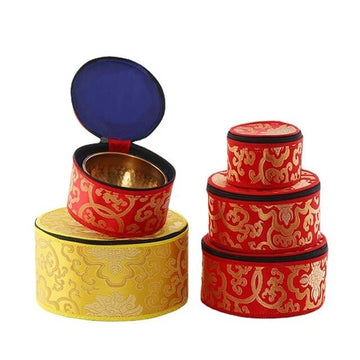
Repairing a Tibetan singing bowl is possible, but depends on the extent of the damage. For minor cracks, certain procedures can help to partially restore the instrument without significantly altering its sound. However, in the case of major cracks, repair may be unnecessary or even impossible. In this case, it is often preferable to purchase a new instrument. For metal Tibetan bowls, the repair process may include slightly widening the crack, heating the area, and using a suitable solder to fill the defect. As for crystal singing bowls, the use of epoxy resin or superglue to seal cracks is a common, albeit limited, method.
Beyond the technical aspect, repairing a Tibetan bowl has an emotional and economic dimension. Restoring an instrument can preserve its sentimental value, prevent further damage, and save money compared to buying a new bowl. However, when repair is not feasible, investing in a new, higher-quality instrument is the best way to keep enjoying the meditative and therapeutic benefits of this tool. If you’re handy and want to try a repair, read my article on restoring Tibetan bowls; you’ll find a step-by-step guide to help with this challenging task.
How to meditate with a singing bowl?
Most people who own a Tibetan bowl want to use it to relax and unwind. The most effective way is to meditate with this object to clear your mind and enjoy a moment of peace. In addition, meditation is a practice with many benefits that have been studied and validated by solid scientific research. The singing bowl is therefore a means of facilitating meditation. In practice, the characteristic sound of the bowl is used as a mantra. In other words, it serves as a repetitive formula to achieve grounding. By focusing solely on this sound, the meditator can then clear their mind in order to reach a contemplative state. This process is also used by yoga masters using their voice, particularly with the mantra "om" (or "Aum") repeated over and over. In fact, yoga combines wonderfully with Tibetan singing bowls.
To meditate effectively with the singing bowl, start by sitting in a comfortable position, preferably seated, perhaps in the lotus position if you’re flexible enough. You’ll need to maintain this position for several minutes without discomfort. Choose a quiet space and take a few deep, calming breaths before you begin.

When you’re ready, pick up your instrument. Hold the Tibetan bowl in your non-dominant hand or rest it on a cushion, then gently strike it. Focus on the sound. Try to visualize the sound in your mind. When silence returns, wait a few moments or strike the bowl again with the mallet. Repeat the process until you manage to clear your mind. For the complete and detailed procedure, see our article on Tibetan bowl meditation—you’ll find this exercise of spiritual and philosophical awakening both accessible and rewarding. You can also explore guided meditation using the bowl, where a voice provides instructions during the session. This is known as Wakan meditation, developed by relaxation and singing-bowl specialist André Wakan.
How can this sound object be used in reiki?
In exploring healing and meditation practices, integrating Tibetan singing bowls into reiki proves to be a powerful synergy. Indeed, it is possible to use methods to combine the benefits of these two practices to promote deep energy balance. Reiki, founded by Mikao Usui in 1922, is a holistic approach that aims to harmonize the body, mind, and soul by channeling universal energy. Without requiring physical contact, just by laying on of hands, this practice allows the practitioner to transmit energy to the recipient to rebalance their energy flow. Although considered unconventional medicine, there are numerous testimonials about its benefits, particularly in terms of reducing stress and improving emotional well-being. Furthermore, according to some studies, its effectiveness exceeds the placebo effect.
Tibetan bowls produce vibrations and sounds that facilitate deep relaxation and meditation. Their use creates an atmosphere conducive to releasing tension and unblocking stagnant energies, allowing for a deeper connection with universal life energy. The vibrations emitted by singing bowls are renowned for their ability to improve the flow of energy in the body, complementing reiki. There are several ways to integrate this musical instrument into reiki practice, whether through meditation accompanied by the sounds produced by the Tibetan bowl, or by using it to directly target the chakras and promote energy unblocking. This synergy between the sound vibrations of singing bowls and the energy of reiki amplifies the healing experience, helping to achieve a deeper level of relaxation and energy balance.
Create a calm, inviting space to practice, and choose a high-quality Tibetan bowl to ensure authentic, resonant vibrations. Ready to explore more? Read my article on the symbiosis between reiki and Tibetan bowls. You can then perfect your relaxation techniques by combining these two practices.

Is it possible to practice cardiac coherence with this Asian instrument?
Cardiac coherence, a regulated breathing technique, harmonizes the heart rate with the nervous system, promoting relaxation, stress management, and improved mental health. This simple method, accessible to all, consists of breathing at a specific rhythm, improving the balance between the sympathetic and parasympathetic nervous systems. The use of the Tibetan bowl, with its soothing sounds, enriches this experience by providing auditory support to maintain the desired breathing rhythm. This not only increases the relaxing effects, but also helps to maintain deep concentration during practice. The vibrations of the singing bowl have an additional beneficial effect on the mind and body, increasing mental clarity and stabilizing emotions.
The concrete benefits of cardiac coherence practiced with the Tibetan bowl are numerous, such as reduced anxiety, better emotional regulation, and positive effects on blood pressure and cognitive performance. In addition, the vast majority of people can adopt this technique, as it has very few contraindications. For those who wish to incorporate this practice into their routine, the Tibetan singing bowl proves to be a natural guide, simplifying the learning of cardiac coherence and making sessions more effective and enjoyable. Whether in individual or group sessions, the techniques for effectively using the Tibetan singing bowl during breathing exercises are easy to implement, providing everyone with the tools for success.
Click on the link below to learn more about how to get the most out of your Tibetan singing bowl during cardiac coherence sessions and discover how this practice can improve your quality of life.
How can hypnosis be implemented with a Tibetan singing bowl?
In modern therapeutic practices, the integration of traditional methods such as the use of Tibetan singing bowls in hypnotherapy is gaining popularity. This instrument, known for its harmonious vibrations, adds an extra dimension to hypnosis, making it easier for some individuals to achieve a state of deep relaxation and altered consciousness. Singing bowls, used for centuries in Asia for their unique sound properties, can enhance the effectiveness of hypnosis.

Hypnosis, defined as a technique for inducing an altered state of consciousness, is characterized by focused attention and high receptivity to suggestions. Traditionally, hypnotic induction focuses on the practitioner's voice, but the addition of the sounds of a Tibetan bowl introduces an auditory aid that facilitates relaxation and concentration. The vibrations produced by the bowl act as a guide, helping individuals enter the hypnotic state more easily, which is particularly useful for managing stress and anxiety.
There are a few practical steps for incorporating the Tibetan bowl into a hypnosis session, from preparing the space to using the sound during induction and reinforcing hypnotic suggestions. As always, take care to follow precautions, such as professional evaluation for individuals with a history of psychotic disorders, and be sure to work in a calm, comfortable environment to maximize the effects.
If you’re eager to deepen your understanding or are thinking about adding a Tibetan bowl to your hypnosis practice, the full article at the link above delivers a treasure trove of insights and actionable tips.
Why add water to a Tibetan bowl?
You may have seen a rather unusual practice in videos or in person, which involves pouring water or another liquid into a Tibetan bowl, then making it sing and watching the water crackle under the effect of the instrument's vibrations. This unusual physical phenomenon gives observers the impression that the droplets are levitating above the singing bowl. In reality, that’s not the case—it’s simply an optical illusion. You can see this effect in the video below:
But is there any point in doing this other than to enjoy the visual effect it produces? The answer is yes. On the one hand, by pouring water into the instrument, you change its acoustic properties and thus the note it produces. On the other hand, the sound of the water crackling can be considered pleasant by some users, a bit like rain falling on a roof, which is likely to increase the relaxing effect of the Tibetan bowl.

Some singing bowl users also believe that vibrating the water in this way recharges it with energy and purifies it, and they feel comfortable washing with—or even drinking—the water afterward. I cannot recommend this practice, as there is currently no scientific evidence to support it and you could potentially consume water that is unfit for consumption. However, is this idea really so far-fetched? There have been a few theories about the memory of water that have not really been conclusive. We recommend reading our article on the subject to form your own opinion on the matter.
Singing bowls to purify your home?
Many spiritual traditions also use Tibetan bowls to purify spaces—much like incense—especially homes and other inhabited areas. According to Feng Shui, invisible energy flows through every room, and the practice aims to harmonize that energy to enhance the well-being of its occupants. While thoughtfully placing certain pieces of furniture can help the energy achieve this balance, playing a singing bowl can purify and cleanse any negative energies that have stagnated in the space.
So whenever life throws a curveball—whether it’s a heated argument, moving into a new place, an unwelcome visitor, or even repurposing a room—reaching for your Tibetan bowl can be a wise choice.
The technique for purifying spaces is straightforward. Using a singing bowl—preferably a small one that emits high-pitched sounds or one specifically designed for this purpose—ring it in the four corners of the room in question for about twenty seconds at each corner. You can change position when silence has returned to the room and move on to the next corner. Some practitioners of lithotherapy also recommend using stones such as black tourmaline. You can find out more by reading our article entitled: How to purify your home with a Tibetan bowl. You will learn how to live in a healthy environment filled with positive energy.

Can a Tibetan singing bowl purify lithotherapy stones?
In the same spirit as the purification of living spaces explained above, singing bowls are also widely used to cleanse lithotherapy stones. These crystals are used by practitioners for their therapeutic properties. According to them, the stones emit vibrations or resonances and give their owner an improved immune system or protection against certain diseases. According to this practice, each type of crystal has its own properties. Thus, white quartz will not have the same benefits as labradorite.
As you use these stones to enhance your well-being, they will inevitably absorb negative energy. Cleaning or purifying crystals is therefore an integral part of practitioners' vibrational hygiene. To perform such an energy cleansing, place the desired stones inside the singing bowl and then make it sing for about 20 seconds while turning it clockwise. It is also important to note that some crystals are not compatible with each other and should not be placed in contact with one another. Once silence returns after these 20 seconds, the stones are purified. You can see an example of this method in the following video:
If your stones are too large to fit completely inside the Tibetan bowl, simply place them around it and then make the bowl sing. In this case, it’s advisable to extend the procedure beyond 20 seconds, as the effects will be less significant on the crystals. All possible manipulations with lithotherapy stones are described in this article. You can then combine these two practices seamlessly to enhance your everyday life.
How can you recharge your instrument with energy?
Because continuous use of the Tibetan bowl can gradually drain its energy, its effectiveness in harmonizing chakras and purifying lithotherapy stones or spaces may diminish over time. Therefore, as with the crystals mentioned in the previous paragraph, it is advisable to regularly recharge your singing bowl with energy so that it can provide high-quality positive energy, as with any vibrational tool in fact. This is similar to the practice of dowsing, where divining pendulums and dowsing rods are used. Here too, it is advisable to purify these objects to release their negative energies.

There are several methods for recharging your Tibetan bowl. The first is to use the sun's rays by leaving the instrument directly under the sun for about 20 minutes. It is also possible to use the moon, but you should avoid doing this during the balsamic moon period, when its energy is known to be unstable. For maximum effectiveness, it is best to choose nights when there is a full moon. You can also recharge your singing bowl with energy using signs or symbols such as the flower or tree of life. Simply place your instrument on a sheet or tablecloth bearing one of these symbols to recharge it.
Incense has also been used for thousands of years to purify spaces in many traditions. In our case, it will be used for the Tibetan bowl. Light the incense and then hold the bowl so that the smoke comes into contact with it. White sage, myrrh, and frankincense are particularly effective for this purpose. Read our guide on purifying Tibetan bowls to learn more about this topic and get details on the different methods we’ve just mentioned.
Can you become an expert in Tibetan singing bowls through training and workshops?
Becoming an expert in the use of Tibetan bowls can open doors to a rewarding and therapeutic practice. Specialized training courses offer in-depth knowledge and practical skills that go far beyond simply handling the instruments. They allow you to explore the history and cultural significance of Tibetan bowls, learn different playing techniques, and use sound vibrations to promote physical and mental well-being.
Choosing the right training program is important. There are several options available, from centers specializing in wellness practices to dedicated events and trade shows, as well as online course platforms. It is essential to check the background of the trainers, the quality of the program, and feedback from former participants. Smaller groups in workshops allow for direct and personalized interaction with trainers, promoting more in-depth learning.

For those who wish to integrate this practice into a professional setting, adequate training provides the necessary certifications. However, in France, only the certification of "wellness massage practitioner" is officially recognized. Training courses also allow participants to experiment in pairs, offering a practical perspective on sound therapy. The cost of Tibetan bowl training varies, with an average of around $500 for 2-3 day sessions. In terms of financing, the personal training account (CPF) in France has not covered specific singing bowl training for several years. However, a broader certification that includes a section on Tibetan bowls may be eligible. We recommend checking the list of approved training courses with the relevant organizations. For more details, read our article on workshops and training courses on Tibetan bowls. You may also enjoy attending Tibetan bowl concerts, which beautifully complement any training you choose.
Is it possible to combine essential oils with this sound object?
The combination of Tibetan bowls and essential oils is an innovative approach to improving daily well-being. Tibetan bowls, known for their soothing vibrations, are often used in meditation and sound healing. When combined with the therapeutic properties of essential oils, they create a profound sensory experience. Essential oils are concentrated extracts of aromatic plants, obtained by steam distillation or cold pressing. They offer specific properties such as antiseptic, anti-inflammatory, or calming effects, making them valuable in aromatherapy. This practice uses these oils for therapeutic purposes to improve physical, emotional, and mental health. Essential oils can be used by inhalation, skin application, or ingestion under the supervision of a professional.
When singing bowls are combined with essential oils, the effects are multiplied by also engaging the sense of smell. For example, diffusing lavender or chamomile during a Tibetan bowl session can enhance relaxation and well-being. To integrate these practices, choose suitable essential oils such as lavender, sandalwood, or ylang-ylang, which perfectly complement the relaxing effects of Tibetan bowls. Various techniques can be used to harmonize these two approaches, such as meditation, yoga, mantras, and even sound massages. Each of these methods creates a synergy between sounds and aromas, facilitating a state of calm and serenity.

This combination is beneficial not only for relaxation, but also for improving sleep, reducing stress, and purifying the ambient energy. For those who wish to experiment with this fusion, it is crucial to use high-quality Tibetan bowls. To learn more, click on this link, which discusses how to combine Tibetan bowls and essential oils. You will discover the best techniques for optimizing this unique experience.
How can singing bowls be used in the classroom or at school?
The Tibetan bowl, an ancient instrument with soothing properties, offers many benefits when integrated into an educational environment. Its harmonious vibrations help create an atmosphere conducive to learning, improving students' concentration and helping them manage stress. Regular use of Tibetan singing bowls promotes the development of emotional skills, strengthening students' resilience, empathy, and overall well-being. In addition, it helps to strengthen social bonds within the classroom, creating a climate of trust and mutual respect.
To effectively introduce Tibetan bowls into the classroom, it is important to educate and train both teaching staff and students. Training sessions can be organized to explain meditation techniques and the benefits of this instrument. Creating a dedicated relaxation space in the classroom, furnished with cushions and a soothing atmosphere, provides a place conducive to relaxation and concentration. Integrating the Tibetan singing bowl into daily routines, such as at the beginning of the day or after intense activities, helps to create a positive and conducive learning environment.
Choosing the right time to use the Tibetan bowl is also essential. At the start of the day, it helps to mentally prepare students for the activities ahead. Before important sessions such as exams, it can reduce stress and improve concentration. After periods of intense activity, it aids relaxation and well-being. Using the Tibetan singing bowl during transitions between classes provides a regenerative break, helping students refocus.
To raise awareness among teachers and parents about the benefits of Tibetan singing bowls, several strategies can be implemented. Organizing workshops, seminars, and online awareness sessions allows the advantages of this instrument to be shared. Informative brochures and explanatory videos can also be distributed to reach a wider audience. Participating in educational events and collaborating with wellness experts reinforces the credibility and adoption of this practice. To learn more about this topic, read my article on the use of Tibetan bowls in schools or classrooms.
How can you determine the musical note of a singing bowl?
If you already own one or more Tibetan bowls, you’ll probably want to know the musical note it produces when you use it. This lets you know which chakra the instrument will primarily affect. Often, the note is simply written on the bottom of the Tibetan bowl or on a document provided with the instrument. However, the note may be indicated in English notation with letters or with numbers. The correspondence table is as follows:
| Solfège | do | ré | mi | fa | sol | la | si |
| Anglo-Saxon | C | D | E | F | G | A | B |
| NMCA | 1 | 2 | 3 | 4 | 5 | 6 | 7 |
You can also try referring to a particular color that the Tibetan bowl might have. If there is red at the bottom of the bowl, this color appears to be that of the Muladhara root chakra. Therefore, the note played should be C.

Finally, if you have absolutely no information, the simplest thing to do is to test the Tibetan bowl and analyze the note generated with an electronic tuner. To do this, you can use your smartphone and download an app that will use your device's microphone to listen to all the sounds around you and reveal the note. Find a quiet spot, eliminate background noise like a TV or air conditioner, open the tuner app, and strike the bowl. The app will display the note. Remember that the striking stick can slightly affect the pitch, and rubbing the rim can coax out a second note.
Browse our tutorial to learn how to recognize the note of a Tibetan bowl. You will then be able to effectively target all your chakras.
Enjoy a unique positive experience with the Tibetan bowl
The Tibetan singing bowl is a unique instrument, particularly prized in alternative medicine such as sonology and music therapy. Still relatively unknown to the general public, its origins, how it works, and its various uses remain a mystery to many people. But thanks to all the information you have gained from reading this article, this Asian instrument no longer holds any secrets for you. You will then have the opportunity to share this information with your friends and family who may also want to discover the benefits of the singing bowl.
However, buying a Tibetan bowl can be a bad experience if you purchase it from retailers who are uninformed or unscrupulous about the quality of their instruments. That's why, in order to buy a singing bowl with complete peace of mind, it is advisable to choose your future bowl from the French store Instruments du Monde. You’ll discover a wide selection of over 200 Tibetan bowls, plus knowledgeable and trustworthy sales staff.
Explore all these Tibetan singing bowls by clicking on the image below:


